

Dr Ross Dobie
Head of Science
Our Insights
Published 12 December 2024
Hurdles Preventing the Adoption of Human-Specific Research
Over time, human-specific research has the potential to reshape the entire drug discovery and development process – from the identification of disease mechanisms and targets to assessing safety and efficacy in preclinical studies. However, despite rapid advancements in human-focused technologies and shifts in regulatory perspectives, for many, significant hurdles still hinder widespread adoption of these approaches. Drawing from a range of insights and examples where human-focused technologies have been utilised, we address some of the common obstacles preventing the adoption of human-specific research and discuss the current state of play.
The hurdles preventing the adoption of human-specific research fall into four broad categories: Scientific, Regulatory, Economic, and Societal. We’ll explore each of these categories separately, examining specific challenges within each area.

Scientific Hurdles
Regulatory Hurdles
Economic Hurdles
Societal Hurdles
Scientific Hurdles
The scientific hurdles preventing the adoption of human-specific research are largely context-specific and depend on: (1) the human-focused technology in question, and (2) its intended use. While this article does not cover these areas in depth, information on specific human-focused technologies, their application, advantages, and limitations can be found in our human-focused Technologies Overview. Here we will address some of the overarching scientific hurdles.
In this section:
• A Lack of Complexity
• Selecting the Right Technology
• Cell & Tissue Availability
• The Need for Standardisation
A Lack of Complexity
Human-focused technology capabilities are advancing rapidly. The last 15 years represent a significant turning point, marked by advances in organoid and organ-on-chip technologies, the impact of artificial intelligence (AI), and the emergence and progression of omics technologies1–4. Nevertheless, for a lot of the science community, human-focused technologies, especially 3D in vitro cell systems, like organoids and organ-on-chip are viewed cautiously owing to their limitations in complexity and therefore inability to entirely mimic complex biology. This raises some interesting questions – how complex is complex enough? Or how simple can a model be and still remain predictive of human pathophysiology?5 There is an ever-growing body of evidence suggesting that less complex human-focused systems can outperform more complex models at different stages of drug discovery and development3,6,7. Furthermore, decades of research using complex models (i.e. animals) and associated poor translation to human clinical trial results also imply that increased complexity is far from a guarantee of success. There is also often a trade-off to consider between complexity, cost, and throughput. More complex models tend to be more expensive to establish and run, making them less suited for high-throughput studies. Ultimately the choice of model in any stage of research should not simply come down to an assessment of the complexity of the system, but should instead be based on its intended use, required outputs, and relevance to a specific research question.

Diseases are complex, and it is often necessary to study the interactions between different organs. In drug discovery and development, assessing drug disposition, pharmacometrics, and safety also typically requires complex multi-organ systems before advancing to clinical trials. These studies traditionally depend on animals to provide system-level data, as no current technology fully replicates the complexity of the human body and multi-organ interactions. However, there is an increasing body of evidence demonstrating that human ‘body-on-chip’ multi-organ systems can accurately mimic physiological and pathological responses, enabling the assessment of drug disposition and pharmacometrics8. While transitioning away from traditional methods for these types of study is an ongoing process, the progress is undeniable. It is widely anticipated that advancements in human-focused technologies will continue to accelerate in the coming years.
Selecting the Right Technology
Selecting the most suitable human-focused solution from an ever-expanding market can be a daunting challenge. With often numerous options available, how do you determine the right choice? Additionally, it can be difficult to predict which techniques or technologies will stand the test of time9. Making informed decisions requires access to robust and comprehensive data, which is vital for establishing the credibility of new methods. Reliable validation data demonstrating that a new approach is effective, relevant, and fit for its intended purpose builds confidence, ultimately facilitating the adoption of new methods10. However, for many, human-focused technologies are thought to lack the historical data needed to persuade end users of their utility and benefits. To a certain extent, many have fallen victim to their own success, as a meteoric rise to prominence is not yet backed up by the strong foundations of validation and legacy data that are required to build confidence in end users.
The validation of human-focused technologies and techniques involves multiple stakeholders, from developers and end users to government agencies. The specific responsibility of each depends on the nature of the technology, its intended use, and whether it is to be considered for regulatory work. The process of validating alternative methods, including human-focused techniques and technologies is supported in part by the efforts of organisations such as the Interagency Coordinating Committee on the Validation of Alternative Methods (ICCVAM) in the United States, and the EU Reference Laboratory for Alternatives to Animal Testing (EURL-ECVAM) in Europe. EURL-ECVAM plays a central role in coordinating the European Union Network of Laboratories for the Validation of Alternative Methods (EU-NETVAL), a consortium of 33 laboratories dedicated to supporting the validation of alternative testing approaches11. Additionally, EURL-ECVAM has developed a comprehensive resource that provides detailed information on validated and peer-reviewed alternative methods12.
As an end user, before transitioning to a new approach, it is natural to seek evidence that the new method is scientifically comparable or superior to the existing one. It is important to consider how this is assessed, particularly when comparing animal-focused and human-focused approaches. Notably, human-focused technologies and reagents are generally not developed to replicate an animal test or material, without the animal13. They are designed to provide human-relevant outputs, aid research into human health and disease, and support development of therapies for humans. For that reason, it is often more beneficial to evaluate these technologies in terms of their alignment with human physiology and pathology. Validation of human-focused technologies should therefore, where possible, focus on benchmarking against the human in vivo state. Ideally, such evaluations should extend beyond assessing a limited set of markers for commonality. Instead, they should employ a comprehensive approach that integrates omics analyses and imaging techniques to provide a thorough validation5,14.
When considering the introduction of any new technique or technology, it is crucial to evaluate all available options and allow sufficient time to engage with providers about their products. In some instances, opportunities for product demonstration may arise, which can be invaluable. Additionally, seeking feedback from current end users can provide useful insight into real-world performance.
Cell & Tissue Availability
Much of human-specific research relies on access to primary human cells and tissue. Finding a specific (healthy or diseased) tissue, in the correct state (i.e., fresh, frozen, preserved etc), with the appropriate ethical approval, can however be extremely challenging. Publicly funded resources such as the UK Clinical Research Collaboration (UKCRC) Tissue Directory and Coordination Centre in the UK, and Biobanking and Biomolecular resources Research Infrastructure – European Research Infrastructure Consortium (BBMRI-ERIC) in the EU are extremely valuable resources as they facilitate access to biological samples and data by providing a coordinated network of biorepositories15,16. While biorepositories permit relatively easy access to certain sample types, including human blood and preserved (formalin-fixed, paraffin-embedded) tissue, it is a different story for accessing fresh or frozen samples. On the face of it, access to ‘fresh’ tissue removed during surgery represents a fantastic resource, but in reality, it can be extremely difficult to gain access to this tissue. It requires close proximity to a hospital with the relevant surgical departments, an established process and staffing to gain ethical approval to use the tissue, and close collaboration with the surgical team and pathology department to manage logistics. Often the most success in this area is seen with involvement from clinician scientists who can bridge the gap between the clinical and research environment.
Similar problems arise in obtaining primary cells, with limited availability of many cell types and disease states. Differing genetic, environmental, and health status among donors leads to variability in primary cells, which can affect experimental reproducibility. Furthermore, donor age, co-morbidities, and medications can impact the quality and functionality of the cells. To overcome these issues many groups across academia and industry are shifting to the use of induced-pluripotent stem cells (iPSC). Analysis of publications from the top 20 pharmaceutical companies highlight a significant increase in utilisation of iPSCs in the last decade17. iPSCs can differentiate into most cell types providing a biologically relevant model to study human disease mechanisms and drug response. They have been widely adopted for disease modelling, personalised medicine, and high-throughput drug screening18.
The Need for Standardisation
It is well acknowledged that for any technology to gain broad acceptance, standardisation is essential, and this is no different for human-focused approaches19–21. However, the increasing diversity of technologies, each with unique manufacturing and development processes, combined with a fragmented approach to method validation, qualification, and implementation, creates significant challenges in comparing and reproducing results across different groups and organisations. This is a pressing concern regarding many human-focused technologies22–25. Absent recognised standards, coupled with the individualised nature of human-specific research stands as a potential barrier in achieving consistency and harmonisation among multiple different users9.
However, establishing standardisation is far from straightforward, as it often encompasses multiple aspects of complex processes. Taking organ-on-chip technology as an example, a workshop organised in 2021 by the European Commission JRC, the European Committee for Standardization (CEN), and the European Committee for Electrotechnical Standardization (CENELEC) underscored the extensive scope of necessary standardisation, including terminology and reporting, device specifications, manufacturing materials, and operational processes26. Whilst the nature and extent of standardisation will vary depending on the technology, this example illustrates the breadth of the task. Achieving this will require collaboration among a range of stakeholders, including developers, end users, and regulatory bodies.
Encouragingly, progress is being made as key stakeholders unite to tackle this challenge. EURL ECVAM highlighted its commitment to standardisation in its 2023 Status Report, noting its involvement in standardising human-focused technologies, including organ-on-chip and omics-based methods, which pave the way for their wider adoption11. Continuing with the organ-on-chip example, earlier this year the Focus Group on Organ-on-Chip (FGOoC), established by CEN-CENELEC, published the Organ-on-Chip Standardisation Roadmap26. This document marks an important milestone in the standardisation of organ-on-chip systems, identifying existing standards and initiatives while outlining priorities and opportunities for the development of new standards in the coming years. Irrespective of technology, the process of adopting standardisation will take time, but through initiatives like the one mentioned we are likely to see continued progress in this area in the coming years.
Regulatory Hurdles
In recent years, the regulatory landscape surrounding drug development has undergone substantial transformation, fostering optimism for a future where human-specific research will increasingly take precedence in preclinical regulatory evaluations. While these changes are promising, they have also introduced a degree of confusion with regards to the regulatory bodies’ stance on human-specific research.
In this section:
• Confusion Regarding Current Regulatory Requirements
• Regulators Unfamiliar with Human-Focused Technology
• Unclear Regulatory Efficacy Requirements
Confusion Regarding Current Regulatory Requirements
Before any new drug advances to clinical trials, regulatory agencies such as the FDA (United States), MHRA (United Kingdom, UK), and EMA (Europe) require a rigorous body of evidence demonstrating its safety profile. To streamline and standardise the collection of such data across countries, the International Council for Harmonisation of Technical Requirements for Pharmaceuticals for Human Use (ICH) has established a set of regulatory guidelines which are adopted by many countries including the United States, Europe, and the UK. A significant aspect of the ICH guidelines is the requirement for preclinical toxicity and tolerability data from animals. The number of species required varies based on the drug class and its intended use. For small molecules and oncology drug candidates, one rodent species (e.g. rats or mice) and one non-rodent (e.g. dogs or non-human primates) are typically recommended. In contrast, for biologics – such as monoclonal antibodies and cell and gene therapies – it is recommended that toxicology studies should be conducted only in pharmacologically relevant species, which often leads to the acceptance of single-species toxicity data27,28. It is however worth noting that while the ICH guidelines are implemented by the UK, they are not a legal requirement29. There is at least one reported example of the MHRA diverging from standard practices, allowing a new therapy to proceed to clinical trials without data from animal tests30.
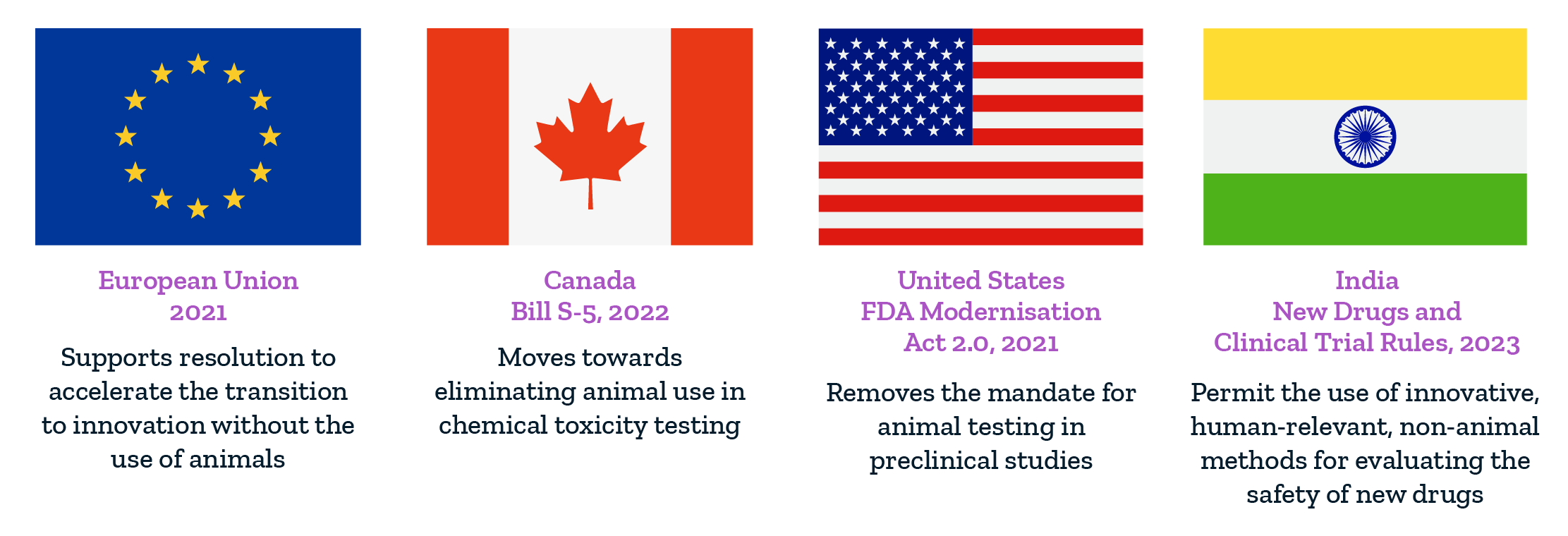
The regulatory landscape is evolving. Policymakers worldwide are advocating for the adoption of human-specific, alternative testing technologies. In 2021, the European Parliament took a pivotal step in this direction, voting overwhelmingly in favour of a resolution to phase out animal use in research, testing, and education by implementing a dedicated action plan31. Similarly, in 2022, Canada introduced Bill S-5, aimed at gradually eliminating animal use in chemical toxicity testing32. That same year, the United States passed the FDA Modernisation Act 2.0, a landmark policy that removed the mandate for animal testing in preclinical studies, opening the door for regulatory approval based on alternative methods that demonstrate comparable safety assessments33. Continuing this trend, India in 2023 amended its New Drug and Clinical Trial Rules to permit the use of innovative, human-relevant, non-animal methods for evaluating the safety of new drugs34. Collectively these legislative advances signal a broader shift towards the implementation of human-focused technologies.
Announcements from the EU and Canada signal an encouraging momentum shift toward integrating human-focused technologies into preclinical regulatory frameworks. However, these changes stop short of fundamentally altering the existing model that places animal studies at the core of regulatory submissions. In contrast, the broader reforms introduced by the United States and India hold greater promise, as they actively permit the use of alternative, human-focused technologies for regulatory studies. Yet, even in these situations significant challenges remain. Uncertainty persists around the confidence of regulatory bodies in accepting human-specific research data in place of data from animal experiments.
Regulators Unfamiliar with Human-Focused Technologies
In 2017, the FDA took a crucial step towards modernising toxicology by publishing a roadmap aimed at integrating emerging predictive toxicology methods and innovation into regulatory safety and risk assessment35. This document highlighted promising new human-focused technologies, including in silico analysis and organ-on-chip. In the report, the FDA emphasises that any new approach must undergo rigorous assessment to determine its applicability, limitations, relevance, reliability, reproducibility, and sensitivity. Such thorough evaluation is essential to ensure that a method is fully validated or qualified for regulatory applications35. While human-focused technologies have demonstrated significant promise in accurately predicting toxicity, many currently lack the comprehensive data needed for regulatory acceptance6.
Accelerating the adoption of human-specific research as an alternative to animal-based experiments in regulatory studies requires close collaboration among drug developers, technology innovators, and regulatory bodies to validate / qualify human-focused technologies. Organisations such as the European Union Reference Laboratory for Alternatives to Animal Testing (EURL ECVAM) in Europe, and the Interagency Coordinating Committee on the Validation of Alternative Methods (ICCVAM) in the United States play an important role in evaluating and validating alternative, non-animal methods, providing guidance to regulatory bodies. Many promising collaborations are also underway. For example, in 2017, CN-Bio, a leading organ-on-chip developer, entered into a Research Collaboration Agreement with the FDA’s Center for Drug Evaluation and Research to characterise the performance of CN-Bio’s organ-on-chip systems as a platform for potential use in drug development and regulatory evaluation, including safety testing prior to new drugs entering clinical trials36. In 2024 it was also announced that the Emulate Liver-Chip had been accepted onto the FDA’s ISTAND Pilot Programme37. Launched in 2020 the ISTAND programme aims to support the development of drug development tools to be used in regulatory applications for new medical products. These collaborations are critical for building regulatory agencies’ familiarity and confidence in human-focused technologies. Moreover, drug and technology developers must recognise the value of working closely with regulators. If data from human-focused approaches are not submitted – potentially due to assumptions about regulatory preferences for animal data – it risks creating a self-perpetuating cycle: without human-focused data, agencies lack the opportunity to assess, validate, and gain confidence in these methods, while drug developers may be discouraged from pursuing or submitting such data without regulatory precedent13. Breaking this cycle will require proactive engagement and data-sharing from all sides to pave the way for human-focused technologies in drug safety testing. Steps have been taken to help facilitate this. For example, the EMA will allow submission of data generated from alternative models in parallel with data generated using established methods. Whilst the data generated from alternative models will not be used as part of the regulatory decision making, it will be used to evaluate the novel approach, building regulatory confidence while minimising risk to drug developers38.
Unclear Regulatory Efficacy Requirements
In contrast to safety assessments, there is a notable lack of information on regulatory efficacy requirements and guidelines. It has been highlighted that while regulators in Europe and the United States require safety evaluations before allowing human trials to commence, they currently do not demand evidence of potential efficacy39. More clarity from regulatory bodies on the necessity of efficacy data is required to build confidence among researchers considering the use of human-specific data to support clinical trial applications. Despite the ambiguity surrounding regulatory expectations, there is promising evidence of human-specific efficacy data contributing to the authorisation of clinical trials. In 2022, Hesperos, Inc. reported that data from their organ-on-chip system facilitated the authorisation of a clinical study (NCT04658472) in lieu of traditional animal studies40,41. This innovative system successfully mimicked the disease mechanisms of rare autoimmune neuropathies that are difficult to replicate in animal models, enabling the efficacy testing of drugs that already had established clinical safety profiles. This development underscores the potential of human-focused technologies in modelling disease mechanisms that are not easily replicated in animals and highlights their utility in drug repurposing, an increasingly significant area of interest for the industry.
Economic Hurdles
When integrating new technologies into academic laboratories or reevaluating drug development pipelines, assessing economic impact is crucial. Many institutes and organisations have a significant investment in animal testing facilities, capital equipment, and expertise, making change economically challenging. While human-focused technologies often promise long-term cost savings, the initial investment can be significant. This can include expenses for specialised equipment, such as organ-on-chip systems, the necessary computing infrastructure for in silico analyses and omics data processing, or the costs associated with developing and validating new methodologies and training. Larger pharmaceutical firms and well-funded academic groups may be better positioned to absorb these upfront costs. In contrast, smaller companies and research groups will find it more challenging to justify the initial financial outlay. Ultimately, the decision hinges on a return on investment (ROI) evaluation. In academic contexts, the return on investment is generally not measured in financial terms but rather in terms of potential future grants and publications. This introduces an added layer of complexity, particularly due to Societal Hurdles.
In this section:
• Difficulties in Determining Economic Benefit
• Limited Funding Opportunities
Difficulties in Determining Economic Benefit
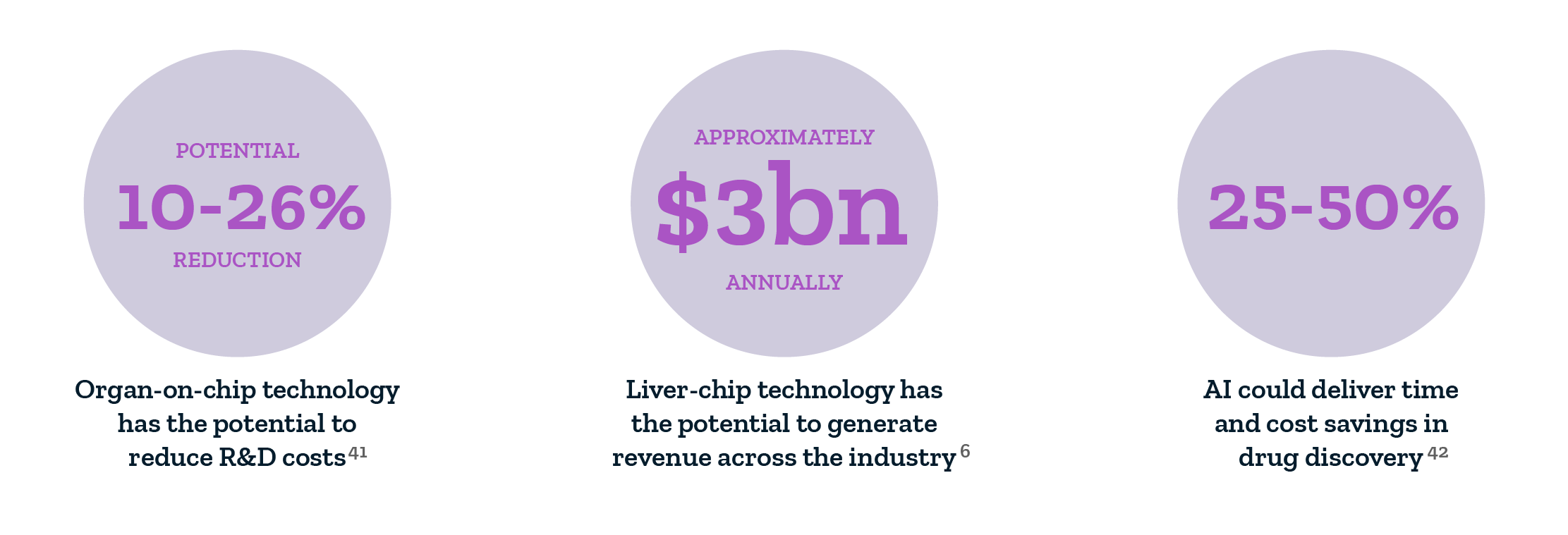
The economic impact of adopting human-specific research remains underexplored. Retrospective analyses are challenging due to the scarcity of publicly available data42. Initial analyses of specific human-focused technologies however suggest some economic benefit. For example, a 2019 survey of R&D experts experienced in organ-on-chip technology indicated that within five years, this approach had the potential to reduce R&D costs by 10-26%42. Additionally, an economic assessment of Emulate’s human liver-chip for predictive toxicology estimated that its integration into preclinical workflows could yield significant economic benefits, with the potential to generate an estimated $3 billion annually across the industry due to enhanced R&D productivity6. Furthermore, a report from Wellcome estimated that AI could deliver time and cost savings of at least 25-50% in drug discovery up to the preclinical stage43. While these projections are encouraging, they are broad, offering limited insight at an individual organisation level.
Many large pharmaceutical companies and contract research organisations have already started investing heavily in human-specific research. Organ-on-chip platforms, for example, are being used by industry throughout drug discovery and development to support key decision-making processes44. Roche has opened the Institute of Human Biology, which aims to accelerate the adoption of human model systems in pharmaceutical R&D and clinical practice45. Charles River Laboratories, meanwhile, has committed $500 million to its Alternative Methods Advancement Project (AMAP), focused on developing human-focused technologies and reducing the reliance on animal models45. Each of these investments will have been supported by detailed economic analyses and ROI assessments, signalling confidence in the economic potential of human-specific research at an organisational level. A compelling example of the economic benefits of specific technologies at a more granular level is provided by Moderna, which has shared insights into the use of organ-on-chip systems to de-risk drug candidates prior to advancing them into non-human primate studies. A cost analysis of this approach revealed that screening 35 novel candidates using organ-on-chip technology would cost approximately $325,000 – a fraction of the $5,000,000 required for traditional non-human primate studies46. More case studies like these are essential to help build confidence in the economic benefit of adopting human-specific research.
Limited Funding Opportunities
Securing funding for human-specific research has long been a significant challenge for both academia and industry. A common misconception is that industry can easily support innovation internally; however, accessing funding for such initiatives is often challenging. Although funding opportunities for human-specific research exist, they tend to fall short of the investment required. A 2014 survey found that non-animal research accounted for less than 0.036% of national science R&D expenditure amongst responding EU member states47. This is an ongoing problem. The Complement Animal Research in Experimentation (Complement-ARIE) programme, an initiative from the National Institutes of Health (NIH) has a proposed budget for 2025 of only $35 million48. Given that the NIH represents the world’s largest funder of biomedical research, the funding proposed to aid development, standardisation, validation, and use of new methods and approaches that will more accurately model human biology is well below what is required.
Focussing in on the UK, the National Centre for the Replacement, Refinement, and Reduction of Animals in Research (NC3Rs) stands out as a prominent funder, with an annual budget of approximately £10 million49. In 2022, Biotechnology and Biological Sciences Research Council (BBSRC) and NC3Rs allocated £4.7 million to 24 projects dedicated to developing alternatives to in vivo models50. Recently, the Medical Research Council (MRC) and NC3Rs announced £10 million in funding aimed at fostering innovative human in vitro models for complex disease. This initiative seeks to promote interdisciplinary research clusters and accelerate the development, validation, and implementation of technologies that accurately model human disease51. Beyond these major funding sources, smaller grants/prizes are also available. The Lush Prize, which allocates a total of £250,000 across various categories, supports the development of human-specific research52. The Humane Research Trust CIO provide grants of between £90,000 – £200,000 to support development of alternatives to animals and animal products in medical research53. Additionally, the World Organoid & Organ-on-a-Chip Research Community (WORC) offers annual grants of £10,000 to support research in organoid and organ-on-chip technologies54. At the Centre for Human Specific Research, we offer grants of up to £25,000 open to academia and industry to support the adoption of human-specific research.
Societal Hurdles
As the benefits of human-focused technologies and methodologies become increasingly evident, the research community is experiencing a period of significant transformation. However, one of the key challenges hindering the broader adoption of human-specific research is the reluctance to venture into unfamiliar territory. Change, regardless of its context, is inherently difficult. It is understandable that many researchers are cautious about embracing new techniques and technologies, given their longstanding reliance on established methods and models that have been in use for decades.
In this section:
• Challenges in Overcoming Perceptions of Human-Specific Research
• Animal Method Bias
Challenges in Overcoming Perceptions of Human-Specific Research
In academia, change happens “one retirement at a time.”
Thomas Hartung
Director of Center for Alternatives to Animal Testing
The Director of the Johns Hopkins Center for Alternatives to Animal Testing (CAAT) Director Thomas Hartung once joked that, in academia change happens “one retirement at a time” 55. This quote is often referenced in the science community to illustrate the extent of the challenge faced by those advocating for human-specific research. Many researchers’ hesitancies stems from a lack of familiarity with new methodologies and technologies, and their capabilities. It is the responsibility of those promoting the adoption of human-specific research to provide the necessary information and data to allow relevant stakeholders to make informed decisions. Earlier adopters should be encouraged to share their experience to help build confidence. While momentum is building, a wide-spread shift to human-specific research is yet to come. This however presents a unique opportunity for the science community to shape the path we take.
Animal Method Bias
Most grant applications or publications relying solely on in vitro data encounter at least one reviewer advocating for the inclusion of animal experiments.56
For many, particularly in academia, publications represent more than just an important platform to share their newest research. They are a measure of success; an output which can help (or hinder) career progression. Whilst there continues to be a notable increase in publications utilising solely non-animal methods, there is growing concern about the emergence of a new bias within the review process, termed animal methods bias56,57. This bias refers to the preference from manuscript and grant reviewers for animal-based approaches even when they are seen as unnecessary56. How significant is this issue? It is widely acknowledged that many grant applications or publications relying solely on in vitro data encounter at least one reviewer advocating for the inclusion of animal experiments58. A small survey of 90 respondents revealed that 31 had been asked by peer reviewers to incorporate animal experimental data into their non-animal studies, with 11 of these respondents questioning the justification for such requests56. This data provides clear preliminary evidence of animal methods bias. Currently, it remains unclear whether this bias is observed proportionately depending on technology used, research area, or journal submitted to. Addressing this requires more data, which poses a challenge. Given the sensitivity of the topic, many may hesitate to share their experiences. Nonetheless, the potential impact of such findings could be substantial.
In response to the increasing recognition of animal methods bias, an international team of scientists established the Coalition to Illuminate and Address Animal Methods Bias (COLAAB). This coalition has developed guidelines and a website to assist authors employing non-animal methods in navigating and addressing potential biases from manuscript reviewers59. These resources will prove valuable in helping researchers navigate animal method bias and prevent hesitation in the adoption of human-focused methods.

Click the logo to find help on how to successfully publish non-animal biomedical studies.
Conclusions
While scientific, regulatory, economic, and societal hurdles still stand in the way of widespread adoption of human-specific research, it is clear that remarkable progress is being made to overcome these challenges. From advancements in technology to shifting regulatory perspectives, the foundation for the broader integration of human-specific research into biomedical research, including drug discovery and development, is steadily being laid. The momentum is undeniable. To support this, the Centre for Human-Specific Research assists the biomedical research community by raising awareness, providing education, securing funding, and encouraging collaboration. Together, we are accelerating the delivery of safe and effective treatments for humans through the adoption of human-specific research.
What hurdles are you facing? Have we covered it here? Please get in touch here, we’d love to chat
About the Author

Dr Ross Dobie
Head of Science
As Head of Science at the Centre for Human-Specific Research, with over 10 years of academic and industry experience, Ross oversees service delivery and content for the Centre.
You may also be interested in:
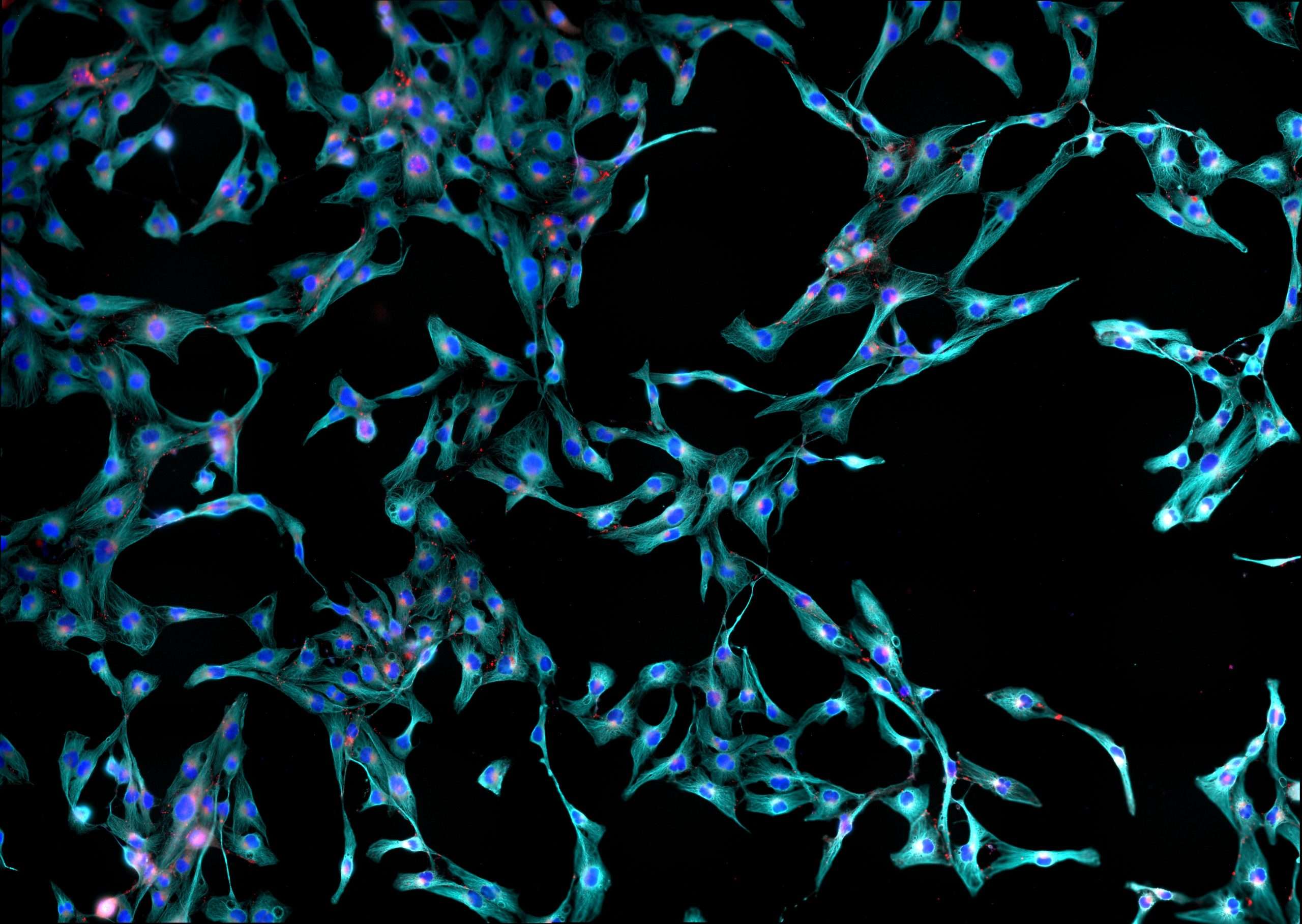
Explore our online resource to learn more about different human-focused technologies and their applications, and gain insights into their advantages and limitations.

The Reality of Drug Discovery and Development
Drug discovery and development has become an increasingly costly and inefficient process. Despite the enormous resources funnelled into each drug candidate, a staggering number of them fail to ever reach the market.
References
- Huh, D. et al. Reconstituting organ-level lung functions on a chip. Science 328, 1662–1668 (2010).
- Sato, T. et al. Single Lgr5 stem cells build crypt-villus structures in vitro without a mesenchymal niche. Nature 459, 262–265 (2009).
- Han, X. et al. Landscape of human organoids: Ideal model in clinics and research. The Innovation 5, 100620 (2024).
- Singh, D. et al. Journey of organ on a chip technology and its role in future healthcare scenario. Appl. Surf. Sci. Adv. 9, 100246 (2022).
- Loewa, A. et al. Human disease models in drug development. Nat. Rev. Bioeng. 1, 545–559 (2023).
- Ewart, L. et al. Performance assessment and economic analysis of a human Liver-Chip for predictive toxicology. Commun. Med. 2, 154 (2022).
- Ito, D. et al. Maiden voyage: induced pluripotent stem cell-based drug screening for amyotrophic lateral sclerosis. Brain 146, 13–19 (2023).
- Ingber, D. E. Human organs-on-chips for disease modelling, drug development and personalized medicine. Nat. Rev. Genet. 23, 467–491 (2022).
- Candarlioglu, P. L. et al. Organ-on-a-chip: current gaps and future directions. Biochem. Soc. Trans. 50, 665–673 (2022).
- Hartung, T. The validation of regulatory test methods – Conceptual, ethical, and philosophical foundations. ALTEX – Altern. Anim. Exp. 41, 525–544 (2024).
- Zuang, V. et al. Non-animal methods in science and regulation. Publications Office of the European Union, Luxembourg (2024).
- European Commission, Joint Research Centre (JRC). EURL ECVAM dataset on alternative methods to animal experimentation (DB-ALM). Available at: http://data.europa.eu/89h/b7597ada-148d-4560-9079-ab0a5539cad3 (Accessed: 04 December 2024).
- Sewell, F. et al. New approach methodologies (NAMs): identifying and overcoming hurdles to accelerated adoption. Toxicol. Res. 13, (2024).
- Ekert, J. E. et al. Recommended guidelines for developing, qualifying, and implementing complex in vitro models (CIVMs) for drug discovery. SLAS Discov. 25, 1174–1190 (2020).
- UK Clinical Research Collaboration. Tissue directory and coordination centre Available at: https://tdcc-blog.azurewebsites.net (Accessed: 04 December 2024).
- Biobanking and Biomolecular Resources Research Infrastructure – European Research Infrastructure Consortium. Available at: https://www.bbmri-eric.eu (Accessed: 04 December 2024).
- Kleiman, R. J. & Engle, S. J. Human inducible pluripotent stem cells: Realization of initial promise in drug discovery. Cell Stem Cell 28, 1507–1515 (2021).
- Cerneckis, J. et al. Induced pluripotent stem cells (iPSCs): molecular mechanisms of induction and applications. Signal Transduct. Target. Ther. 9, 1–26 (2024).
- Holmes, C. et al. Standardization and omics science: Technical and social dimensions are inseparable and demand symmetrical study. OMICS J. Integr. Biol. 14, 327 (2010).
- Mastrangeli, M. & Raaij, J. van den E. Organs-on-chip: The way forward. Stem Cell Rep. 16, 2037 (2021).
- Zhou, C. et al. Standardization of organoid culture in cancer research. Cancer Med. 12, 14375–14386 (2023).
- Ning, M. & Lo, E. H. Opportunities and challenges in omics. Transl. Stroke Res. 1, 233 (2010).
- Lehmann, R. et al. Human organoids: a new dimension in cell biology. Mol. Biol. Cell 30, 1129–1137 (2019).
- Cave, A. et al. Big data – How to realize the promise. Clin. Pharmacol. Ther. 107, 753 (2020).
- Srivastava, S. K. et al. Organ-on-chip technology: Opportunities and challenges. Biotechnol. Notes 5, 8–12 (2024).
- CEN/CENELEC FGOoC. Focus group organ-on-chip standardization roadmap. (2024).
- Prior, H. et al. Justification for species selection for pharmaceutical toxicity studies. Toxicol. Res. 9, 758–770 (2020).
- Prior, H. et al. Opportunities for use of one species for longer-term toxicology testing during drug development: A cross-industry evaluation. Regul. Toxicol. Pharmacol. RTP 113, 104624 (2020).
- UK Parliament. Written questions, answers and statements. (2023). Available at: https://questions-statements.parliament.uk/written-questions/detail/2023-09-19/200502 (Accessed: 04 December 2024).
- MHRA. Innovation: Clonal neoantigen specific tumour-infiltrating lymphocytes for cancer treatment. (2020). Available at: https://www.gov.uk/government/case-studies/innovation-clonal-neoantigen-specific-tumour-infiltrating-lymphocytes-for-cancer-treatment (Accessed: 04 December 2024).
- European Parliament. Plans and actions to accelerate a transition to innovation without the use of animals in research, regulatory testing and education. (2021). Available at: https://www.europarl.europa.eu/doceo/document/TA-9-2021-0387_EN.html (Accessed: 04 December 2024).
- Government of Canada. Bill S-5: Strengthening environmental protection for a healthier Canada act. Available at: https://www.canada.ca/en/environment-climate-change/news/2023/06/bill-s-5-strengthening-environmental-protection-for-a-healthier-canada-act.html (Accessed: 04 November 2024).
- Senate of the United States. FDA modernization act 2.0. (2022). 117th Congr. 2D Session. Available at: https://www.congress.gov/bill/117th-congress/senate-bill/5002/text (Accessed: 04 December 2024).
- IASToppers. Amendment to the new drugs and clinical trial rules (2023). Available at: https://www.iastoppers.com/articles/amendment-to-the-new-drugs-and-clinical-trial-rules-2023 (Accessed: 04 December 2024).
- U.S Food & Drug Administration. FDA’s predictive toxicology roadmap. (2017).
- CN-Bio. FDA signs collaborative agreement with CN Bio innovations to use Organs-on-chips to improve drug development and evaluation. (2017). Available at: https://cn-bio.com/fda-signs-collaborative-agreement-cn-bio-innovations-use-organs-chips-improve-drug-development-evaluation (Accessed: 04 December 2024).
- U.S. Food & Drug Administration. FDA’s ISTAND pilot program accepts a submission of first organ-on-a-chip technology designed to predict human drug-induced liver injury (DILI). (2024). Available at: https://www.fda.gov/drugs/drug-safety-and-availability/fdas-istand-pilot-program-accepts-submission-first-organ-chip-technology-designed-predict-human-drug (Accessed: 04 December 2024).
- European Medicines Agency. Guideline on the principles of regulatory acceptance of 3Rs (replacement, reduction, refinement) testing approaches. (2016).
- Kimmelman, J. & Federico, C. Consider drug efficacy before first-in-human trials. Nature 542, 25-27 (2017).
- Hesperos. Human-on-a-chip data enables clinical trial (NCT04658472) highlighting potential for in vitro approach in lieu of animal studies for rare neuromuscular disorders. (2022). Available at: https://hesperosinc.com/efficacy-study-for-rare-neuromuscular-disorders (Accessed: 04 December 2024).
- Rumsey, J. W. et al. Classical Complement pathway inhibition in a “human-on-a-chip” model of autoimmune demyelinating neuropathies. Adv. Ther. 5, 2200030 (2022).
- Franzen, N. et al. Impact of organ-on-a-chip technology on pharmaceutical R&D costs. Drug Discov. Today 24, 1720–1724 (2019).
- AI’s potential to accelerate drug discovery needs a reality check. Nature 622, 217 (2023).
- Vulto, P. & Joore, J. Adoption of organ-on-chip platforms by the pharmaceutical industry. Nat. Rev. Drug Discov. 20, 961–962 (2021).
- Life Sciences. The promise of non-animal ‘new alternative methods’ (NAMs) in the outsourced pharma industry. (2024).
- Emulate. How Moderna is using organ-chips to improve their development programs. Available at: https://emulatebio.com/organ-chips-vs-nhps-cost-calculator (Accessed: 04 December 2024).
- Taylor, K. EU Member state government contribution to alternative methods. ALTEX (2014).
- Krebs, C. E. The time is Now: Celebrating momentum toward human-centered research at the NIH. (2024). Available at: https://www.pcrm.org/news/good-science-digest/time-now-celebrating-momentum-toward-human-centered-research-nih (Accessed: 04 December 2024).
- NCR3s. What we do. Available at: https://nc3rs.org.uk/who-we-are/what-we-do (Accessed: 04 December 2024).
- UK Research and Innovation. BBSRC and NC3Rs invest in next generation non-animal technologies. (2022) Available at: https://www.ukri.org/news/bbsrc-and-nc3rs-Invest-in-next-generation-non-animal-technologies (Accessed: 04 December 2024).
- NC3Rs. New MRC/NC3Rs funding call for novel human in vitro models of complex disease. (2024). Available at: https://nc3rs.org.uk/news/new-mrcnc3rs-funding-call-novel-human-vitro-models-complex-disease (Accessed 04 December 2024).
- Lush. Available at: https://lushprize.org (Accessed 04 December 2024).
- Humane Research Trust. Available at: https://humaneresearch.org.uk/apply-for-funding (Accessed: 04 December 2024).
- WORC Community. Available at: https://www.worc.community (Accessed: 04 December 2024).
- Ford, C. Animal testing, explained. (2024). Available at: https://www.vox.com/future-perfect/370457/animal-testing-science-medicine-vaccines-cruelty-free (Accessed: 04 December 2024).
- Krebs, C. E. et al. A survey to assess animal methods bias in scientific publishing. ALTEX – Altern. Anim. Exp. 40, 665–676 (2023).
- Taylor, K. et al. An analysis of trends in the use of animal and non-animal methods in biomedical research and toxicology publications. Front. Lab Chip Technol. 3, (2024).
- Ingber, D. E. Is it time for reviewer 3 to request human organ chip experiments instead of animal validation studies? Adv. Sci. 7, 2002030 (2020).
- Krebs, C. E. et al. Author guide for addressing animal methods bias in publishing. Adv. Sci. 10, 2303226 (2023).