
Meet our Scientific Advisory Panel
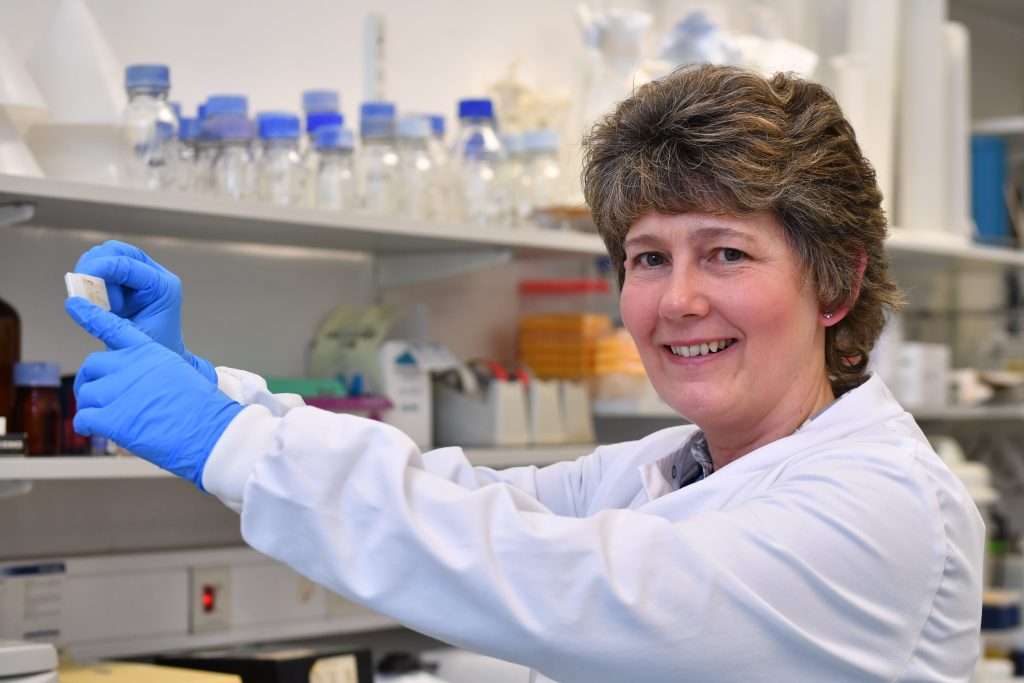
Professor Val Speirs
Chair of our Scientific Advisory Panel, Val is also Chair in Molecular Oncology at the University of Aberdeen having relocated in 2018 after many years at the University of Leeds. She is one of the founders of the Breast Cancer Now Tissue Bank which collects and makes breast cancer tissue samples available for researchers across the UK and beyond. She uses these in her own work to develop better in vitro models of breast cancer to understand breast cancer biology. She co-directs the Aberdeen Cancer Centre, bringing together a team of scientists and clinicians working collaboratively to deliver patient-centred research, which aims to translate new laboratory findings into the clinic with the goal of directly improving patient outcomes.
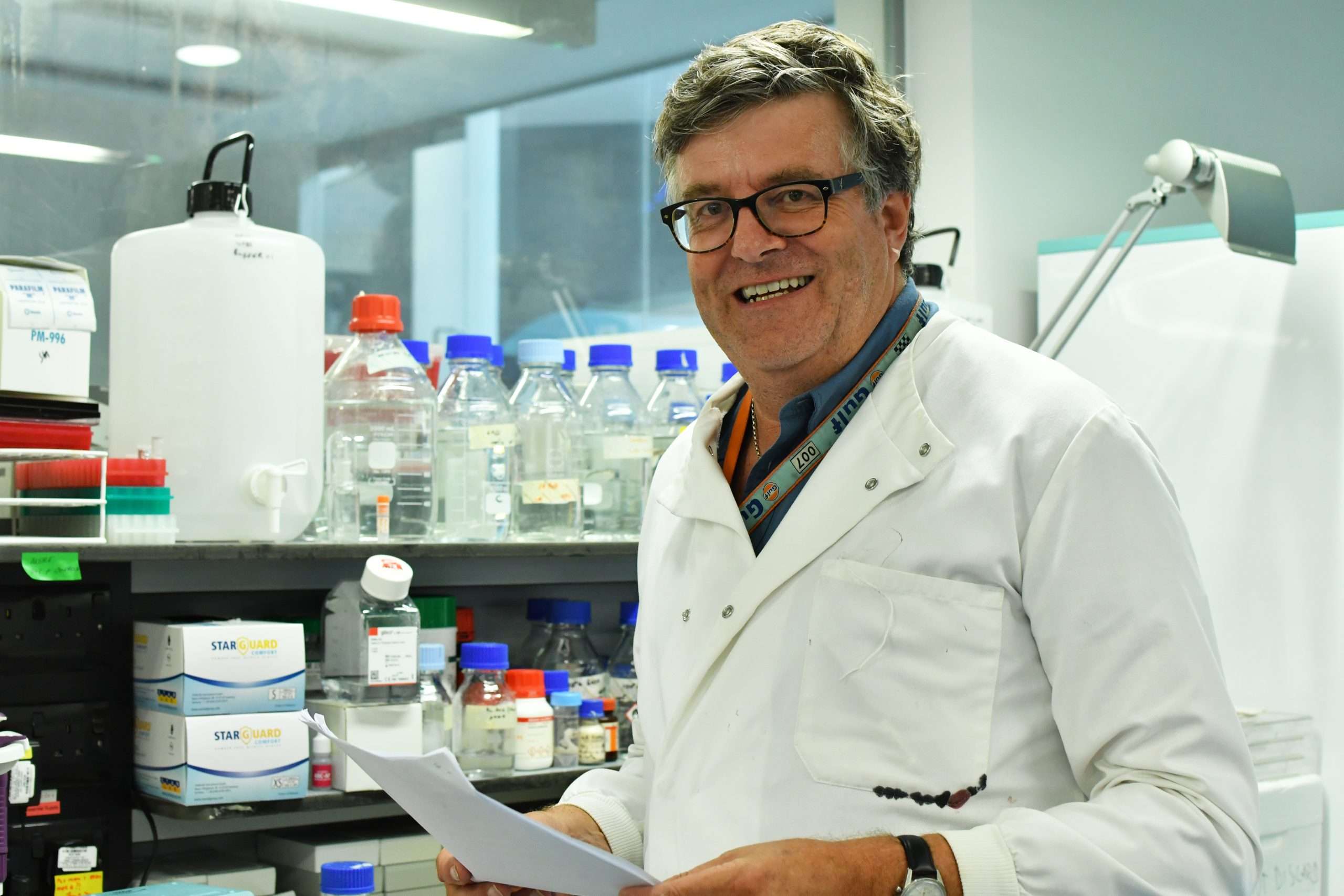
Professor Mike Philpott
Mike is a Professor of Cutaneous Biology at Queen Mary University of London.
He is a specialist in the in vitro culture and growth of human hair follicles now referred to as the ‘Philpott model’. He was Centre lead for Cutaneous Research at QMUL from 2006 until 2015. His research has a strong emphasis in the 3R’s and in particular animal replacement. He currently directs the Animal Free Research UK Centre of Excellence within the Blizard Institute.
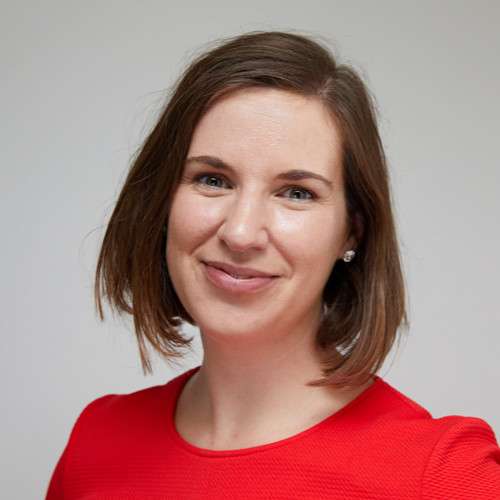
Dr Ros Hannen
Ros is the CEO and founder of Keratify since December 2018, aiming to advance pre-clinical human skin testing. Keratify won an Innovate UK Smart grant to transform in vitro skin testing methods for the skincare and pharmaceutical industry. Keratify’s ‘OneVivo’ technology is now being adopted by some of the largest pharmaceutical, medical aesthetic and cosmetic companies in the world. Their technology is currently being considered to replace animal testing that is still required for longer-term skin testing.
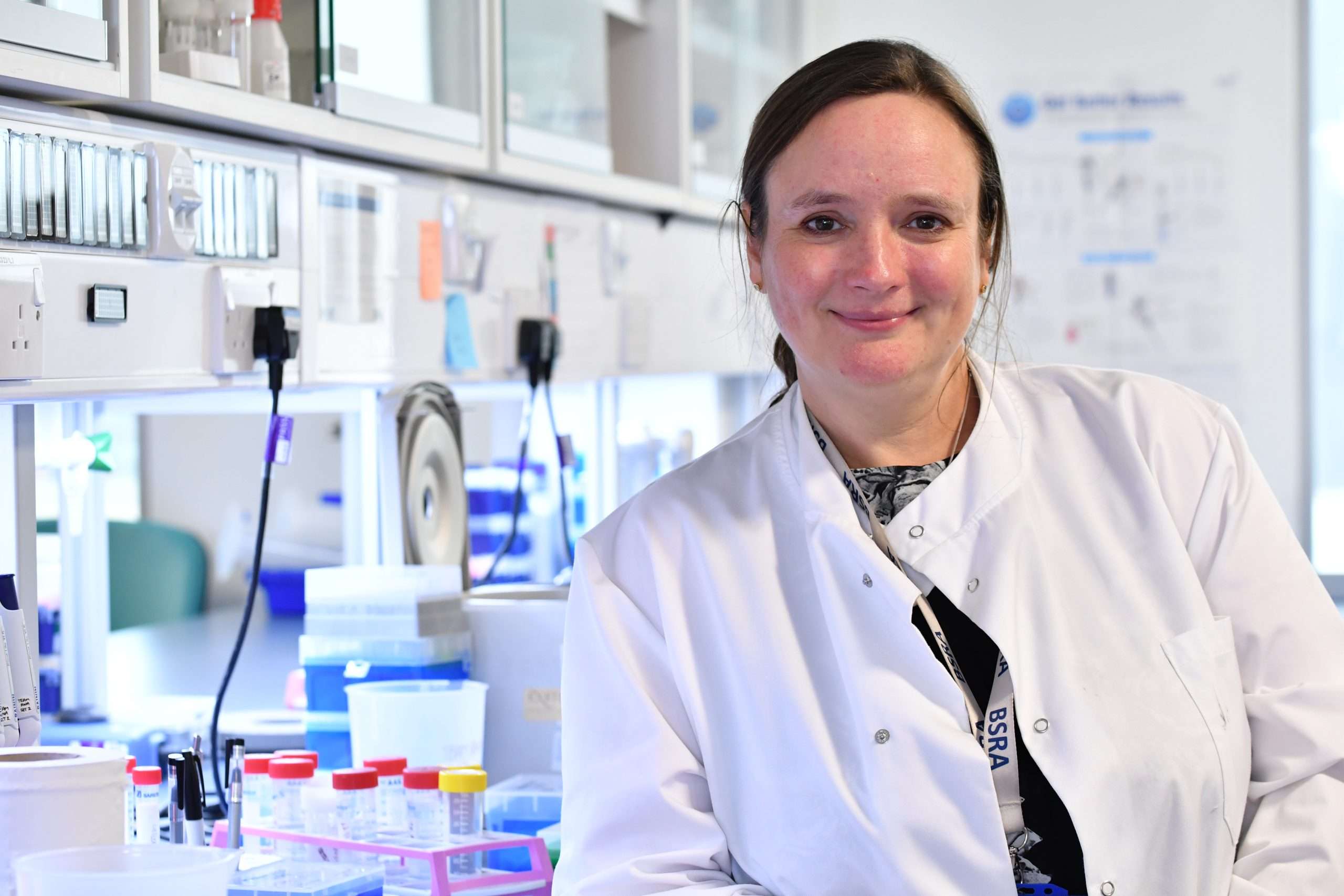
Professor Lorna Harries
Lorna is Professor of Molecular Genetics at the University of Exeter College of Medicine and Health. She leads the RNA-mediated disease mechanisms group, and is a Co-Founder, director and Chief Scientific Officer for SENISCA, a senotherapeutics spin out company built on research form the Harries team. Lorna has interests in omics approaches to the study of human ageing and age-related disease processes in man, and her work ranges from ‘big data’ analyses to detailed individual molecular analysis of particular genes.

Assistant Professor Dania Movia
Dania is an Assistant Professor in Biomedical & Health Services at Maynooth University, and Principal Investigator at the Kathleen Lonsdale Institute for Human Health Research. Her research advances respiratory health while reducing reliance on animal testing. She is also an Adjunct Assistant Professor at Trinity College Dublin, enhancing Ireland’s academic and research landscape.
With a background in Chemistry and Pharmaceutical Technologies from the University of Trieste and a PhD from Trinity College Dublin, Dania has significantly impacted cancer research and the push for animal-free testing methods. She is an active member of several professional organisations and has contributed to over 50 peer-reviewed publications. Through her work, Dania continues to advance scientific research and promote innovative, sustainable practices.

Dr Dharaminder Singh
Dharaminder is Lead Engineer, responsible for consumable development at CN Bio, having joined the company in 2017. Dharaminder leads multidisciplinary teams at CN Bio, who develop microphysiological systems and organs on chip from concept, prototype, assay development and commercialisation.
With his multidisciplinary background, Dharaminder often acts as the glue between the product development teams, assay development teams and beyond. With wide-ranging biology and engineering skills, he is uniquely placed to problem solve, innovate and lead.
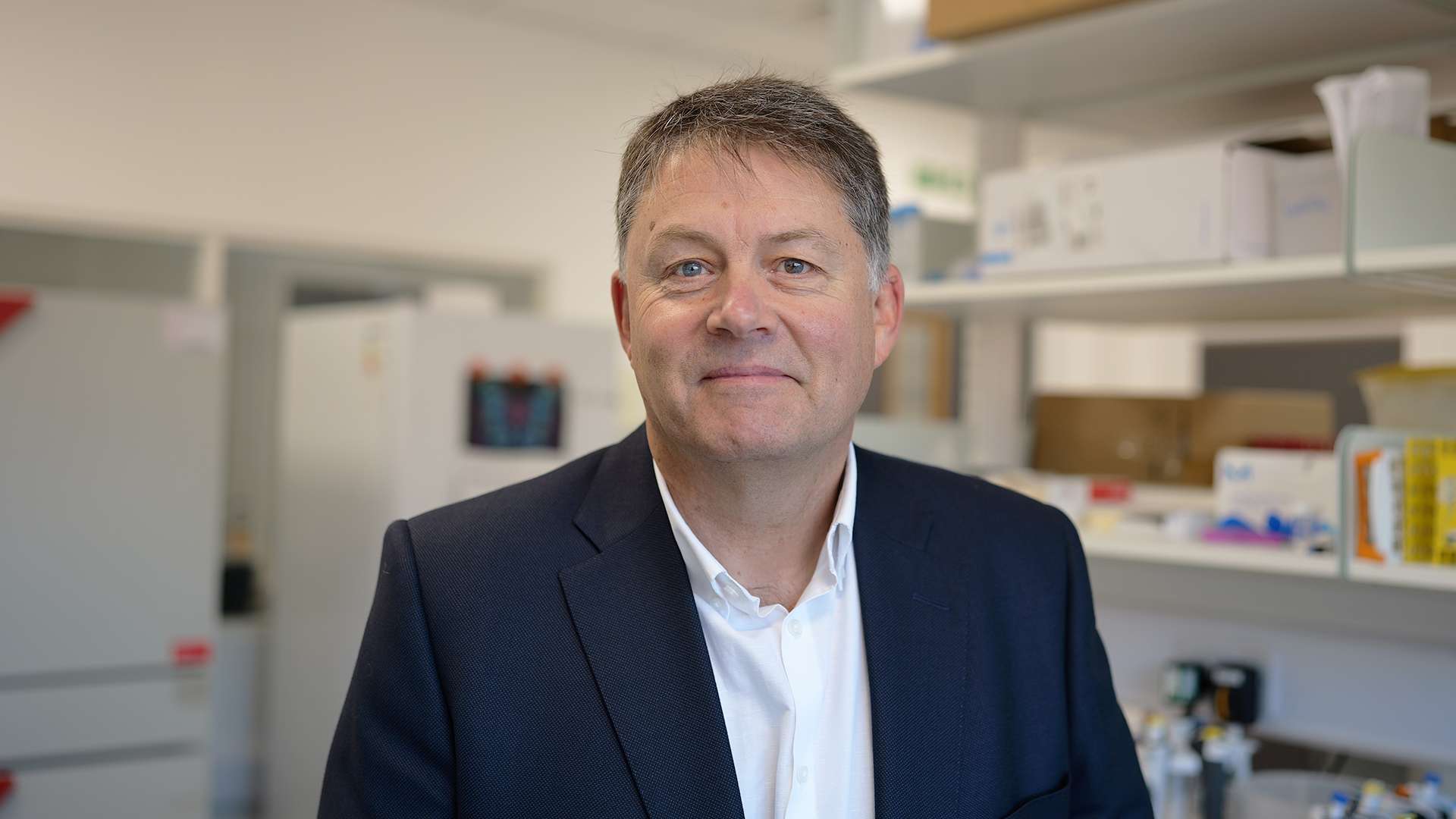
Professor John Greenman
John is a tumour immunologist who has morphed into someone who spends most of his time developing lab-on-a-chip technology for personalised medicine against solid tumours. His interdisciplinary Biomicrofluidics group in Hull, comprising clinicians, chemists and engineers, has been pioneering the development and adoption of bespoke microfluidic devices for almost 20 years. The group designs and fabricate devices from a range of materials depending on the desired end-use, with a move to using 3D printed devices in biocompatible polymers as this facilitates faster scale-up. The group has extensive experience of maintaining different tumour types, these include: glioblastoma, head and neck squamous cell carcinoma, thyroid, renal and colorectal tissue.
Professor Nicholas Barnes
Professor Barnes is a translational pharmacologist and has been a member of the University of Birmingham Medical School Faculty since 1990. He is also a founder member of the Neurotrauma Research Group within the NIHR Surgical Reconstruction and Microbiology Research Centre at the Queen Elizabeth Hospital, Birmingham, one of the largest referral hospitals in Europe. His research spans from human cellular and molecular pharmacological mechanisms to assessing drug efficacy in clinical trial and has generated an extensive list of over 150 research papers. Professor Barnes is Chairman of the International Union of Basic and Clinical Pharmacology Nomenclature Committee for Serotonin Receptors, a Councilor of the International Society for Serotonin Research and a Fellow of the British Pharmacological Society. He is also Editor-in-Chief for the international journal Frontiers in Neuropharmacology.
In addition to his academic-related positions, Professor Barnes is the Principal Founder, CEO and Director of Celentyx Ltd; an originally venture capital financed human research and development pharmaceutical company focusing on treatments for diseases involving the immune system including immuno-oncology approaches to treat cancer.