
Human Specific Research Conference
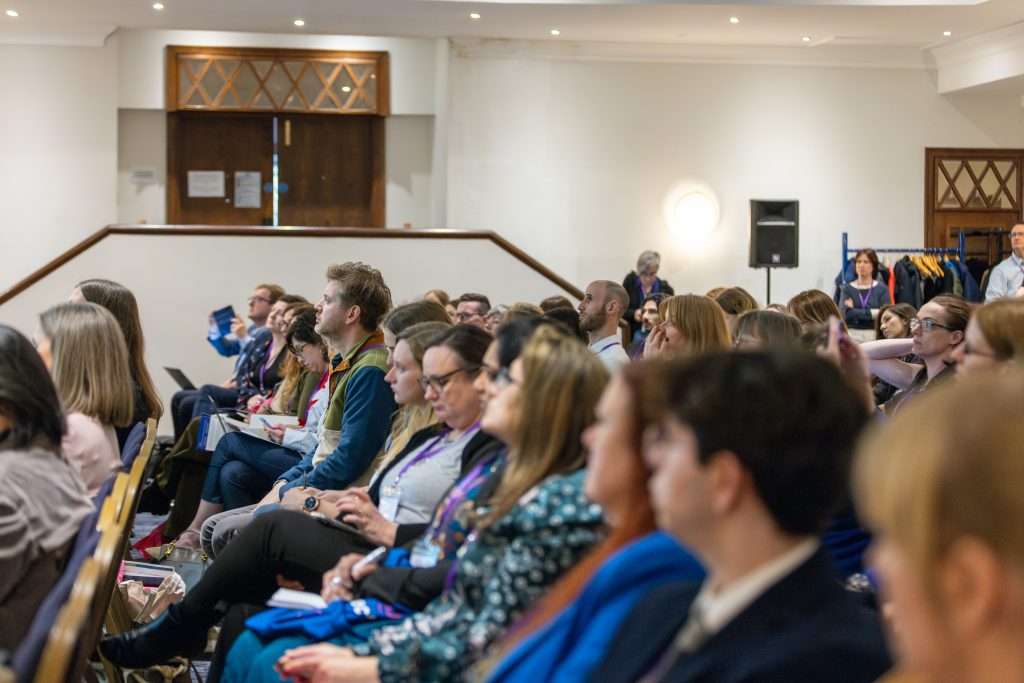
The Centre for Human Specific Research welcomes you to our first conference, set in the heart of Newcastle.
From Idea to Impact: Advancing Human-Specific Research as a Community
A new era in biomedical research is taking shape as the scientific community increasingly shifts towards research centred on human cells, human tissue, and human data. At the forefront of this shift are the scientists and groups actively pursuing the development and adoption of more effective, ethical, and human-relevant approaches.
The Human Specific Research Conference will convene this growing interdisciplinary community to foster knowledge exchange, collaboration, and innovation across all areas of human-focused research.
21-22 April 2027 | Crowne Plaza Newcastle
Meet our Headline Sponsor
We’re delighted to announce Qkine as our headline sponsor!
Qkine manufactures high-purity, animal origin-free growth factors, cytokines, and other complex bioactive proteins for life science applications, including stem cell and organoid culture. Qkine addresses fundamental biological, quality, and scale-up challenges by integrating proprietary recombinant protein production processes with protein engineering approaches, delivering more reliable tools for research and bio-manufacturing. Actively supporting and innovating in emerging fields such as 3D stem cell models, organoids, cellular agriculture, cell therapy, regenerative medicine and organ-on-a-chip, Qkine aims to accelerate the impact of these technologies on human health and wellbeing.

We’re proud to be supported by our incredible Sponsors:

View the Programme:
Plenary Sessions
All plenary sessions will be made up of 3x 20 minute presentations and a 30 minute panel discussion.
Meet our Chairs
Our chairs will play a key role in facilitating discussions and ensuring an engaging and insightful programme for attendees.
Professor Mirela Delibegovic
Prof Mirela Delibegovic, FRSE, is the Regius Chair of Physiology and the Director of Aberdeen Cardiovascular and Diabetes Centre, University of Aberdeen.
Prof Delibegovic’s academic research for the past 25+ years has focused on the causes and consequences of development of diabetes and complications associated with diabetes. She works closely with industry, SMEs and the NHS, and work developed through these collaborations was recently highlighted by the United Nations Academic Impact publication as the example of a successful collaboration between academia and industry. Prof Delibegovic sits on several national and international funding and scientific advisory boards and is passionate about career development of staff and students, public engagement in research, academia/industry collaborations and knowledge exchange.
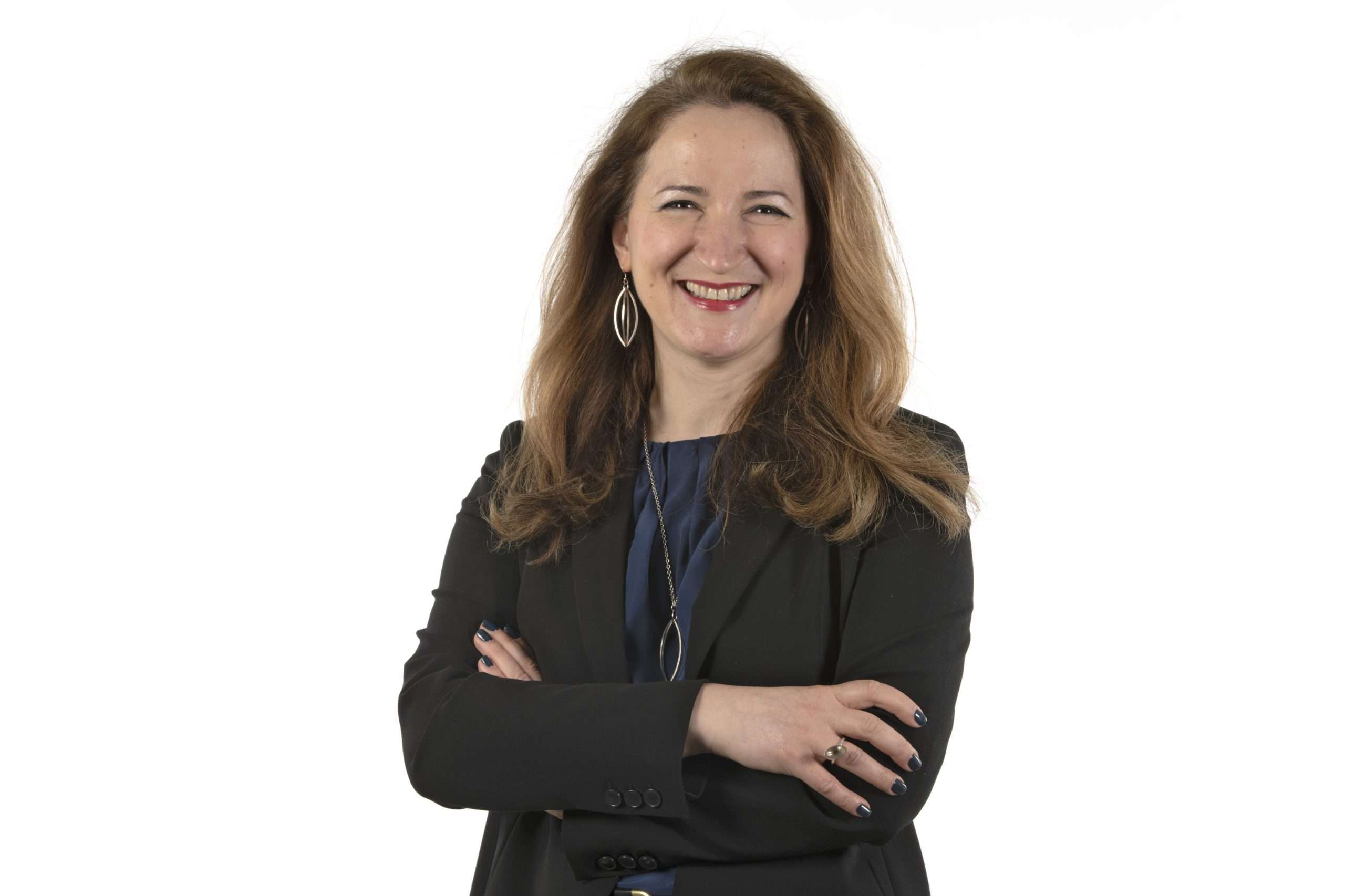
Professor Chris Denning
Chris Denning is Professor of Stem Cell Biology and Director of the Biodiscovery Institute (BDI). The £100m Institute is the largest research facility at the University of Nottingham and houses 850 researchers, clinicians and support staff. Research is across 6 themes of global importance, encompassing Cancer, Engineering Biology, Pioneering Therapeutics, Regenerating & Modelling Tissues, Taming Microbes, and Demystifying Biomolecular Complexity.
Spanning several of BDI’s themes, Chris’ interests are in cardiovascular differentiation of human induced pluripotent stem cells (hiPSCs) for use in drug screening and in production of new in vitro models of genetic-based cardiovascular disease. Broadly, the main areas are: 1) Disease mechanisms; 2) Gene-drug-phenotype relationships; 3) Public outreach.
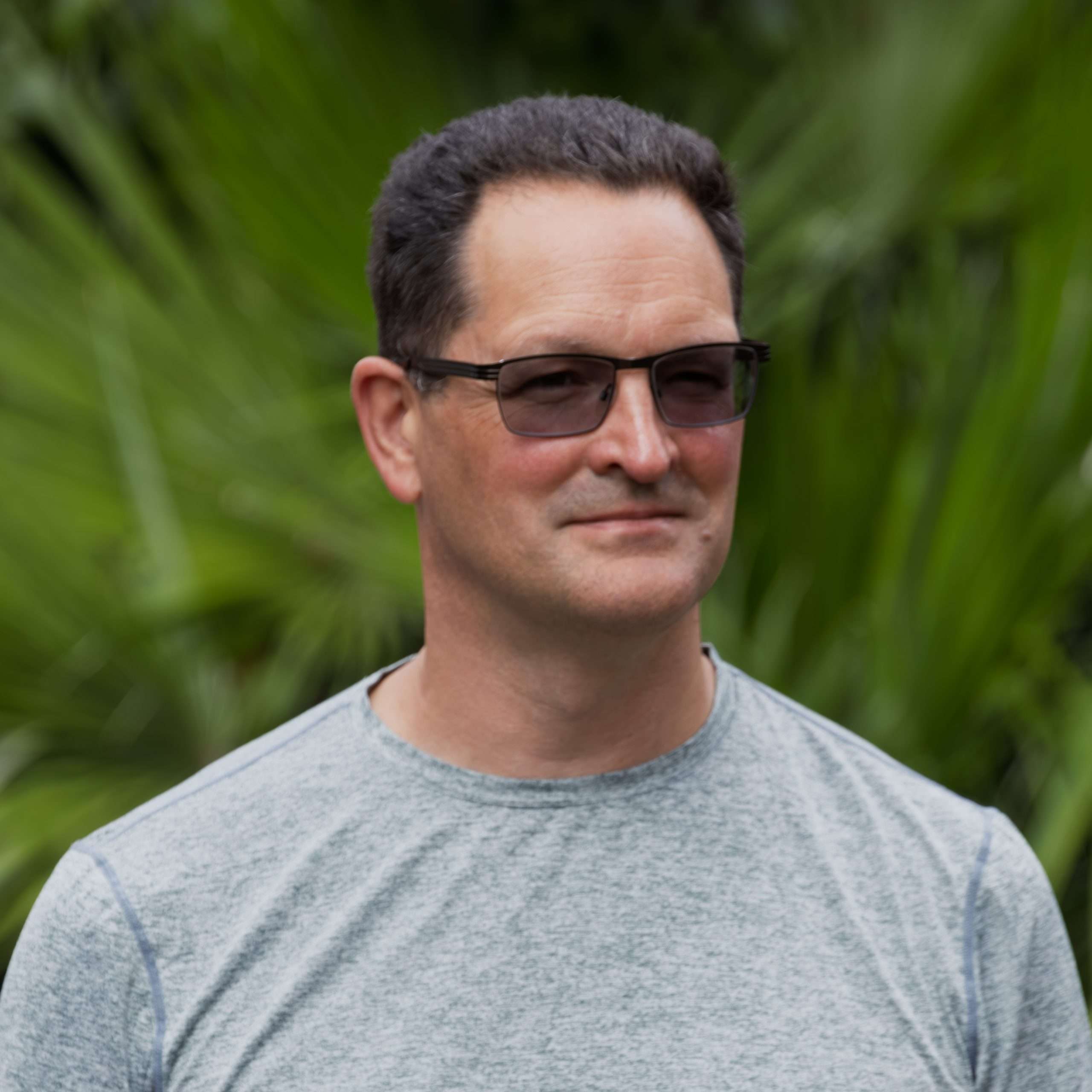
Dr Catherine Headley
Catherine is Chief Executive Officer of the University of Manchester Innovation Factory, Manchester’s subsidiary company responsible for spinout creation, IP licensing and investment. She has many years of experience of working at the interface between academia and the commercial world, building partnerships and programmes across that interface. Catherine has led several initiatives in the knowledge exchange sphere, and is passionate about the impact that can be generated through partnerships and research commercialisation. Catherine previously worked in the pharmaceutical industry, leading programmes to develop novel technologies for API manufacture. Her research background is in organic chemistry.
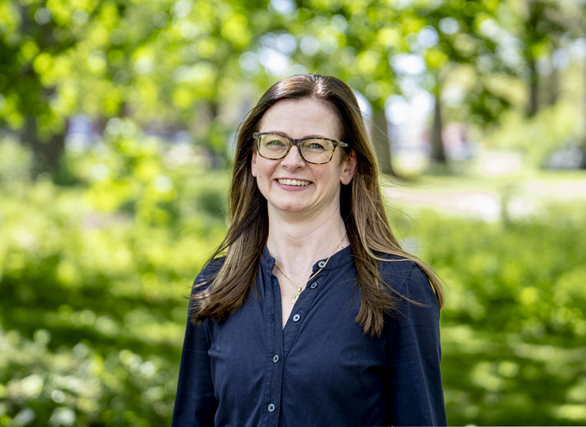
Dr Dania Movia
Dr Dania Movia is an Assistant Professor in Biomedical & Health Sciences in the Department of Biology at Maynooth University and a Principal Investigator at the Kathleen Lonsdale Institute for Human Health Research (Republic of Ireland). In 2023, she founded the Humane Biomedical Research Lab, Ireland’s first wet laboratory dedicated entirely to animal-free respiratory research and a member of the Alliance for Human Relevant Science. Her research focuses on advancing human-relevant models to accelerate the translation of preclinical findings into effective treatments for respiratory diseases without animal experimentation. Recognised for her leadership in animal-free science, she was included in the Irish Hospital Professional News Top 100 (2021), received the Animal-Free Research UK Outstanding Scientist Award (2025), and was runner-up for the Replacing Animal Research ChangeMaker Award (2026).
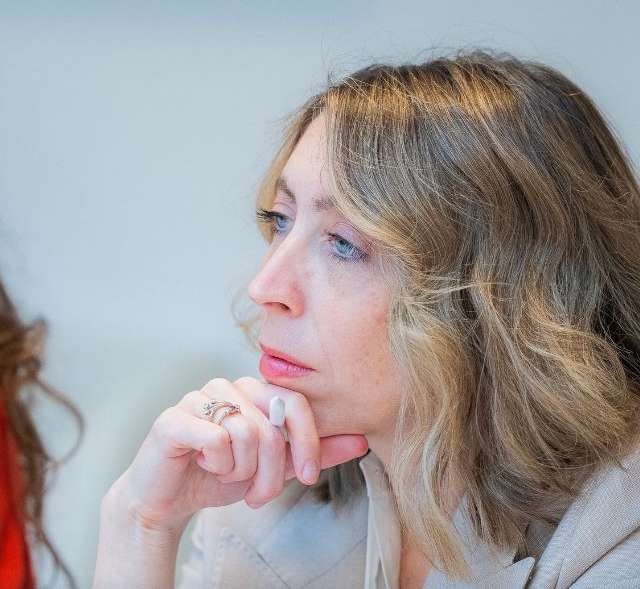
Dr Stefaan Verbruggen
Dr. Verbruggen’s research focuses on the mechanobiology of bone cells and the development of predictive in vitro and in silico models of cancer metastasis. He completed his PhD in bone cell mechanobiology at the University of Galway, followed by postdoctoral research on how fetal movements affect joint development at Imperial College London. He was then awarded a Marie Skłodowska-Curie Research Fellowship at Queen Mary University of London and, through a collaboration with Columbia University, investigated how cancer cells metastasize to bone. His lab recently received an ERC Consolidator Grant to develop organ-on-a-chip models advancing this work.
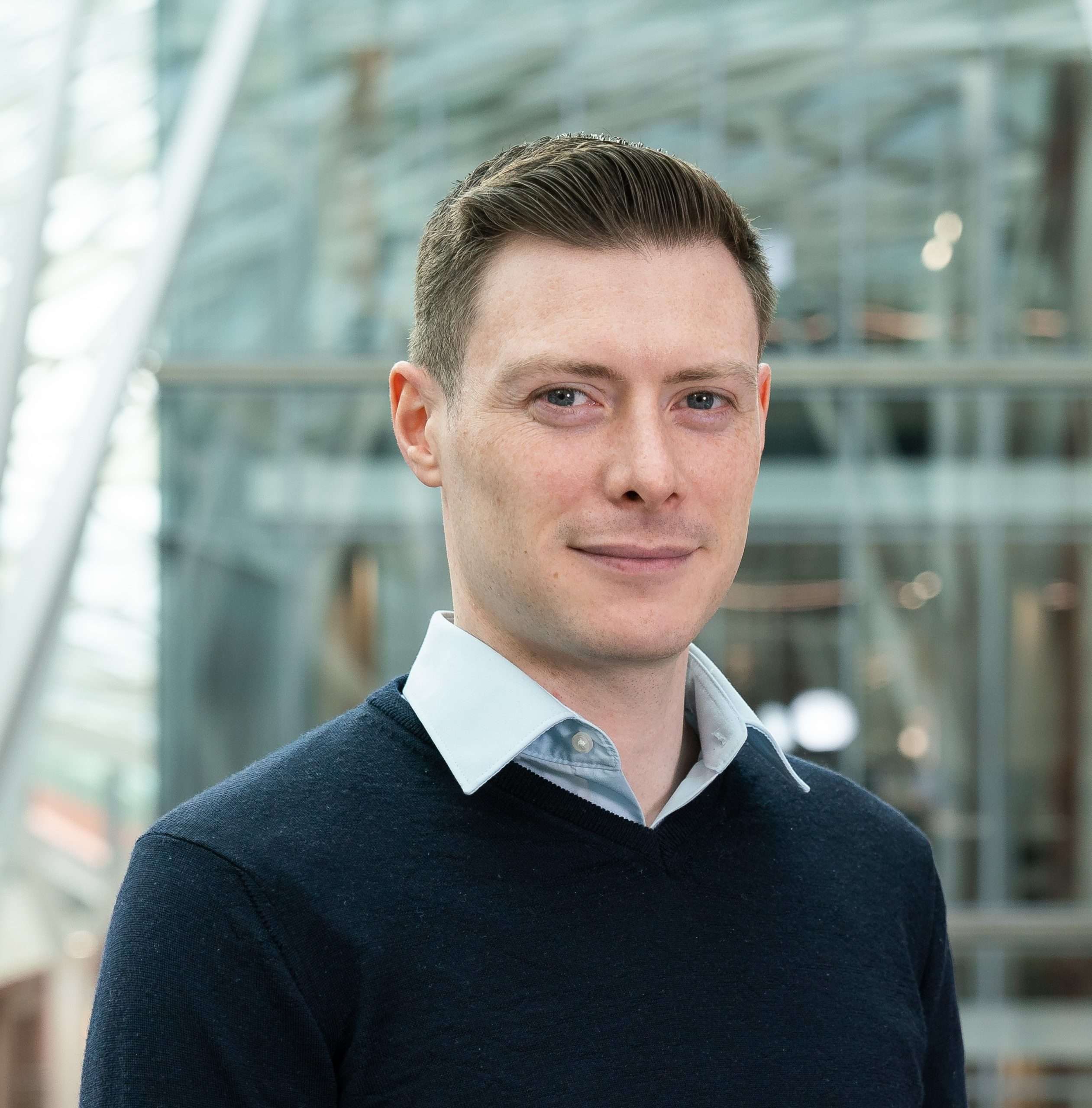
Dr Liam Weaver
Liam is an Assistant Professor of Biomedical Engineering at the University of Warwick. His research uses mechanistic and data-driven modelling approaches to investigate the multi-organ implications of treatments provided to critically ill patients. During his PhD, he developed digital twins to study the impact of non-invasive respiratory support, improving clinical understanding by quantifying treatment effects which could not be observed at the bedside. Liam currently holds a consulting role on the Digital Twins Systems Pilot, hosted by the University of Galway as part of the EU-funded STEP4NAMs project.
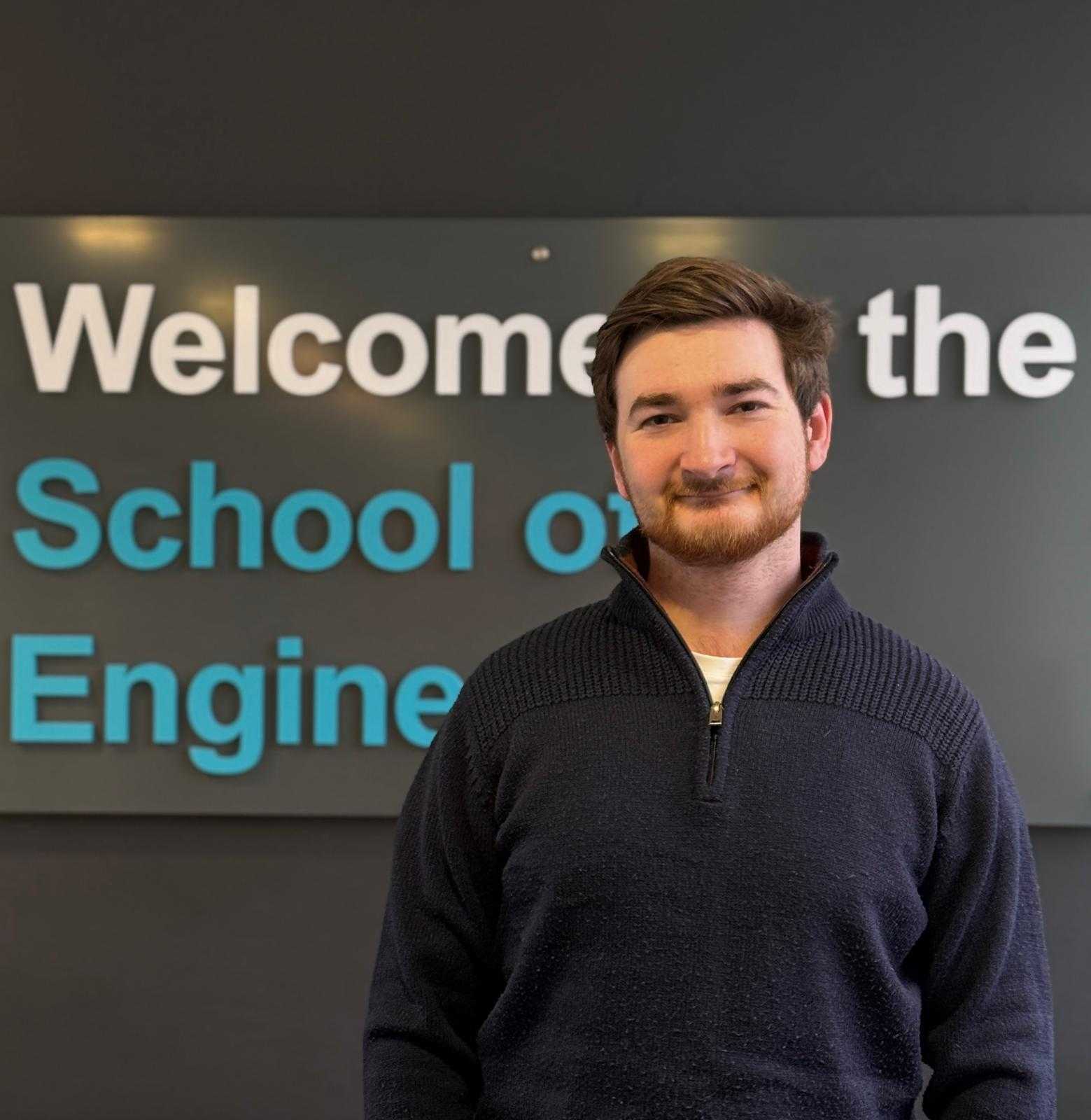
Meet our Speakers
We’re grateful to our speakers, who will be sharing their invaluable expertise over the 2 days.
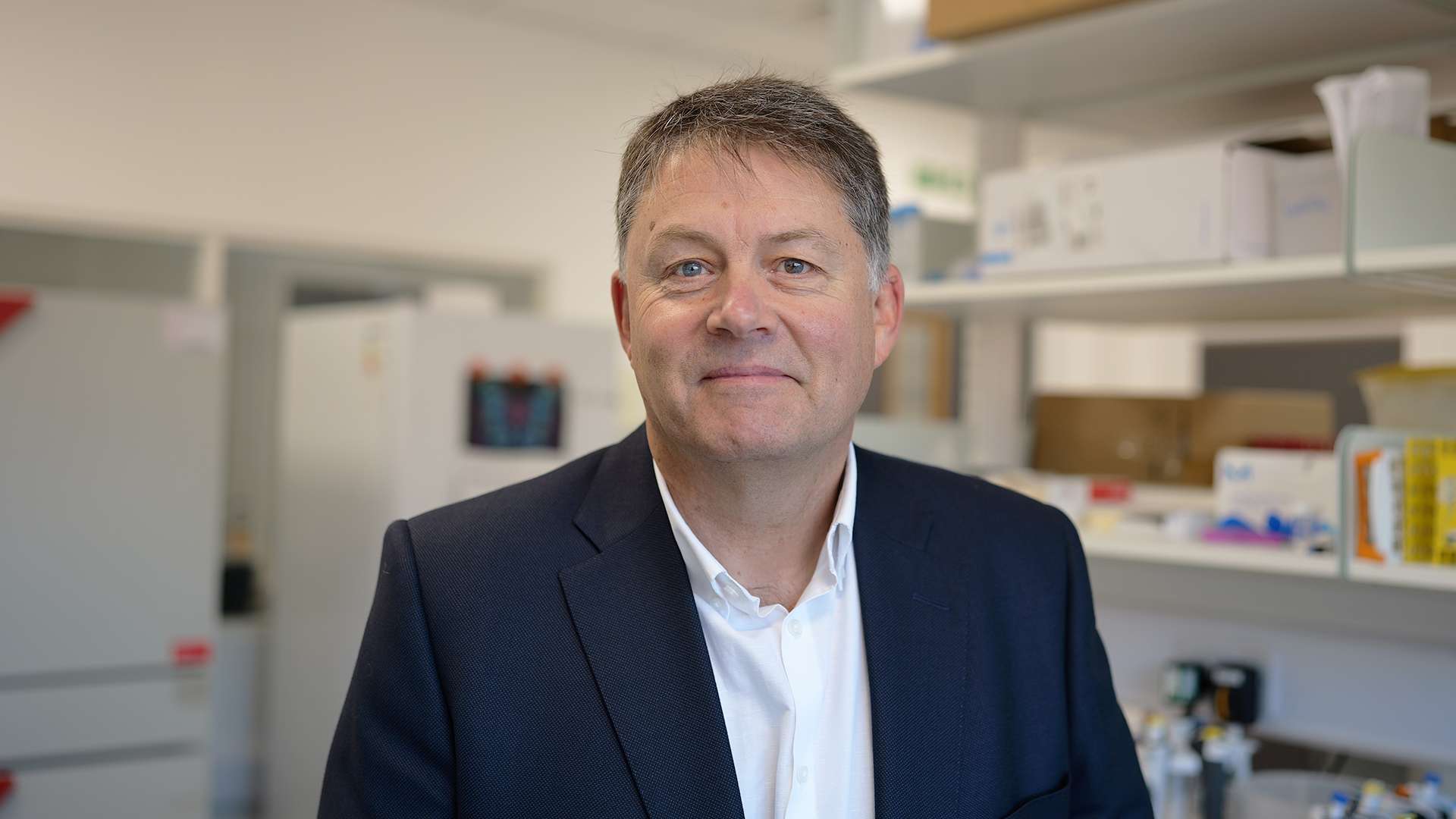
Professor Nicholas Barnes
Professor Barnes is a translational pharmacologist and has been a member of the University of Birmingham Medical School Faculty since 1990. He is also a founder member of the Neurotrauma Research Group within the NIHR Surgical Reconstruction and Microbiology Research Centre at the Queen Elizabeth Hospital, Birmingham, one of the largest referral hospitals in Europe. His research spans from human cellular and molecular pharmacological mechanisms to assessing drug efficacy in clinical trial and has generated an extensive list of over 150 research papers. Professor Barnes is Chairman of the International Union of Basic and Clinical Pharmacology Nomenclature Committee for Serotonin Receptors, a Councilor of the International Society for Serotonin Research and a Fellow of the British Pharmacological Society.
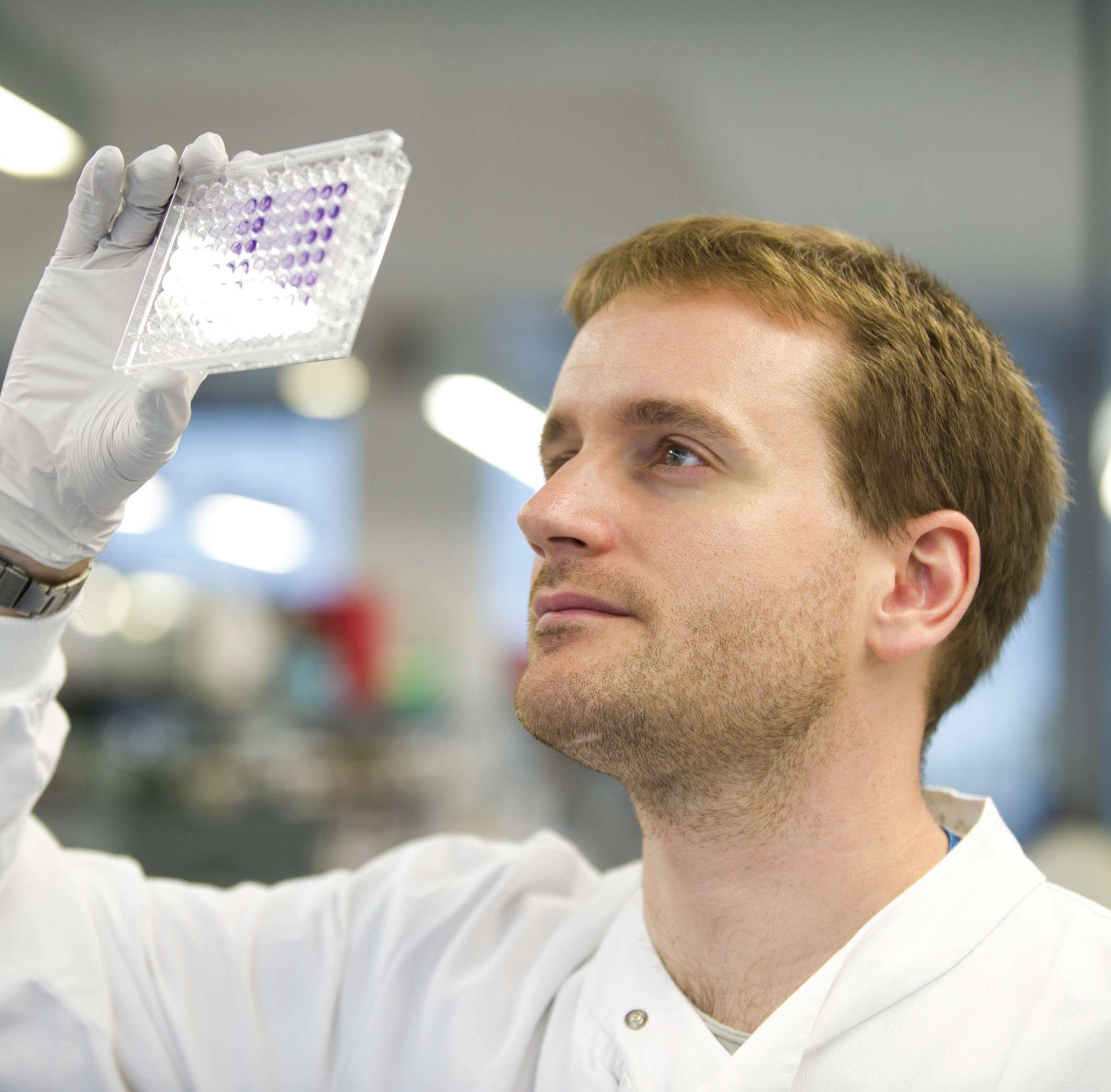
Dr Adrian Biddle
Adrian is Reader in Cancer Biology at Queen Mary University of London (QMUL), having spent 10 years building a research group following his award of an Animal Free Research UK lectureship in 2016. At QMUL, Adrian directs the Barts Centre for Squamous Cancer and is a member of the Centre for Predictive in vitro Models. His research interest is in cancer stem cells and how they are responsible for tumour metastasis and therapeutic resistance in oral cancer. He is particularly interested in how human cancers can be modelled using a combination of in vitro experimental systems and human tissue analysis.
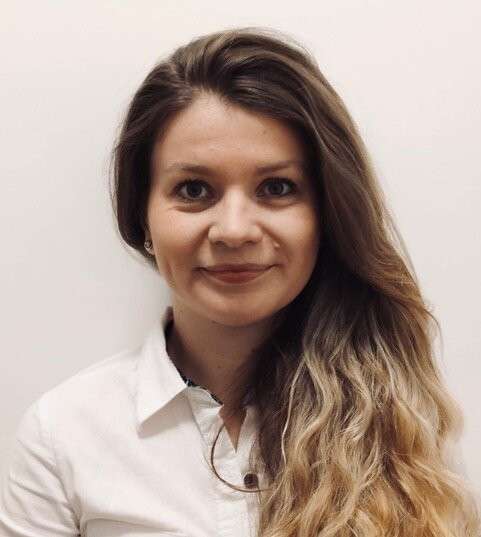
Dr Ana-Maria Cujba
Ana-Maria Cujba is a senior postdoctoral fellow in Professor Sarah Teichmann’s laboratory at the Cambridge Stem Cell Institute, University of Cambridge, supported by the Novo Nordisk NovoSTAR Fellowship. Her research combines bioinformatics, single-cell genomics, and spatial transcriptomics to study vascular and immune systems and their interface in cardiovascular disease. Within the Human Cell Atlas, she has contributed to large-scale, single-cell characterisation of vascular populations across human tissues and blood immune cells. She aims to further leverage these atlases to improve the physiological relevance of in-vitro disease models. She previously completed a PhD at King’s College London investigating monogenic diabetes using stem cells and pancreatic organoids.
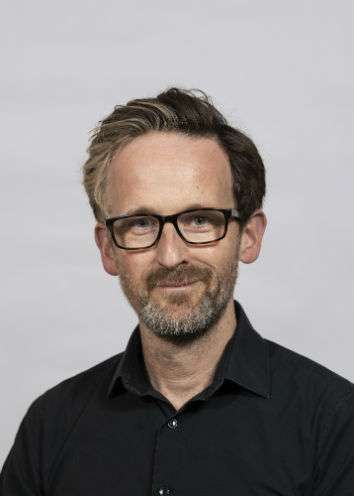
Professor Matthew Dalby
Following a PhD at Queen Mary University of London on osteoblast responses to bioactive composites, Professor Dalby moved to Glasgow to study cell-nanoscale interactions. Awarded a BBSRC David Phillips Fellowship in 2003, he later became Professor of Cell Engineering at the University of Glasgow. Matthew is co-Director of the Centre for the Cellular Microenvironment and leads major EPSRC initiatives, including StemNiche and the MAINSTREAM Hub. His research spans stem cell engineering, nanovibrational technologies, and translational work, including veterinary trials and emerging clinical applications. Prof Dalby also directs the EPSRC-SFI lifETIME CDT. His current focus is stem cell ageing and human-relevant models for blood cancer.
Professor Alex Frangi
Alejandro Frangi is the Bicentenary Turing Chair in Computational Medicine at the University of Manchester and Executive Director of the UK Centre of Excellence on In Silico Regulatory Science and Innovation (UK CEiRSI). He pioneers virtual patients, digital twins and in silico trials — computer-based methods that test medical devices and treatments on human-derived models rather than animals. A Fellow of the Royal Academy of Engineering and the IEEE, he advises regulators worldwide on accepting simulation as credible evidence. He co-founded the MedTech spin-outs adsilico and Oculomex Health, translating human-specific computational science into clinical practice.
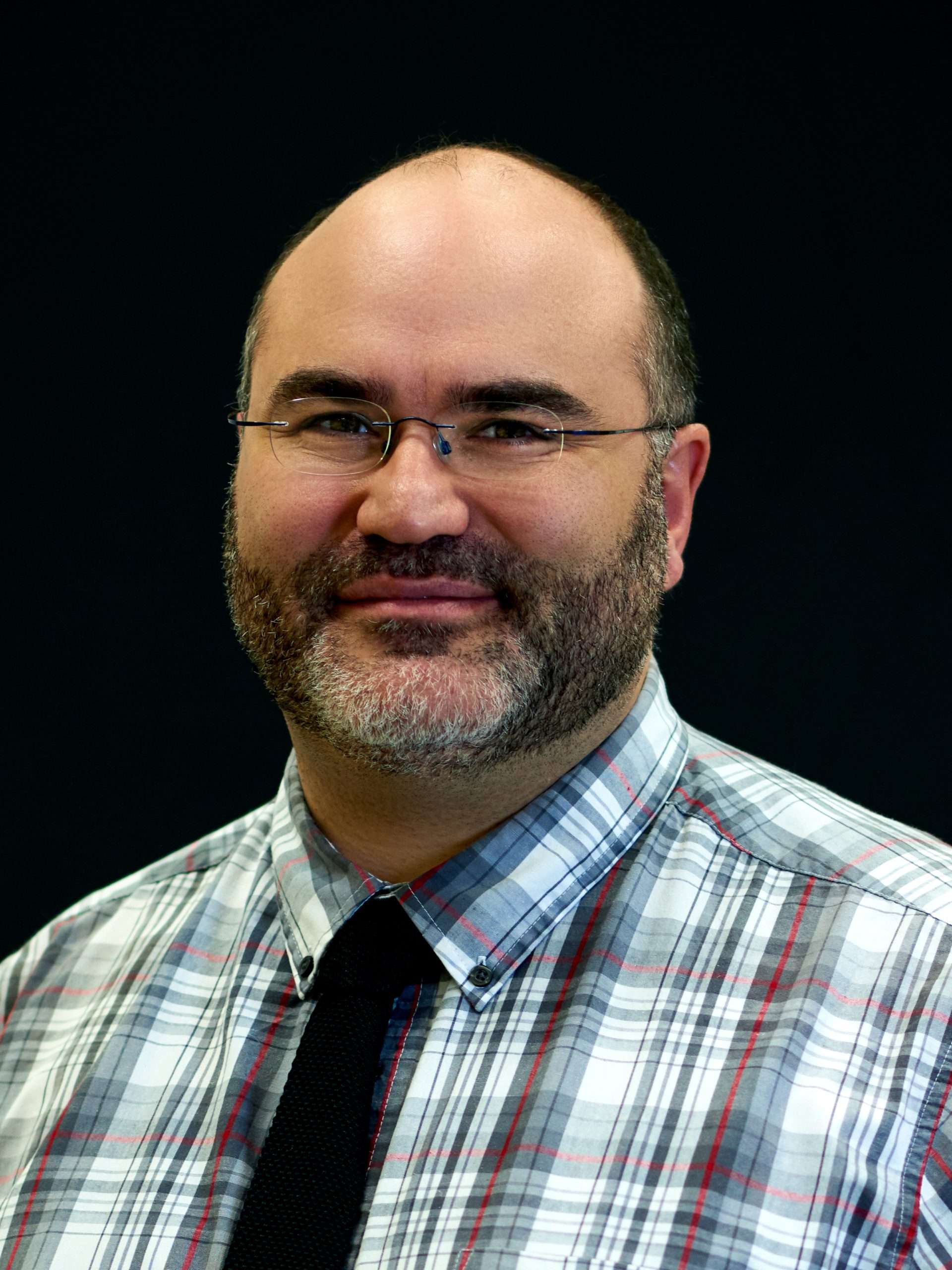
Professor John Greenman
John is a tumour immunologist who has morphed into someone who spends most of his time developing lab-on-a-chip technology for personalised medicine against solid tumours. His interdisciplinary Biomicrofluidics group in Hull, comprising clinicians, chemists and engineers, has been pioneering the development and adoption of bespoke microfluidic devices for almost 20 years. The group designs and fabricate devices from a range of materials depending on the desired end-use, with a move to using 3D printed devices in biocompatible polymers as this facilitates faster scale-up. The group has extensive experience of maintaining different tumour types, these include: glioblastoma, head and neck squamous cell carcinoma, thyroid, renal and colorectal tissue.
Professor Lorna Harries
Lorna is Professor of Molecular Genetics at the University of Exeter College of Medicine and Health. She leads the RNA-mediated disease mechanisms group, and is a Co-Founder, director and Chief Scientific Officer for SENISCA, a senotherapeutics spin out company built on research form the Harries team. Lorna has interests in omics approaches to the study of human ageing and age-related disease processes in man, and her work ranges from ‘big data’ analyses to detailed individual molecular analysis of particular genes.
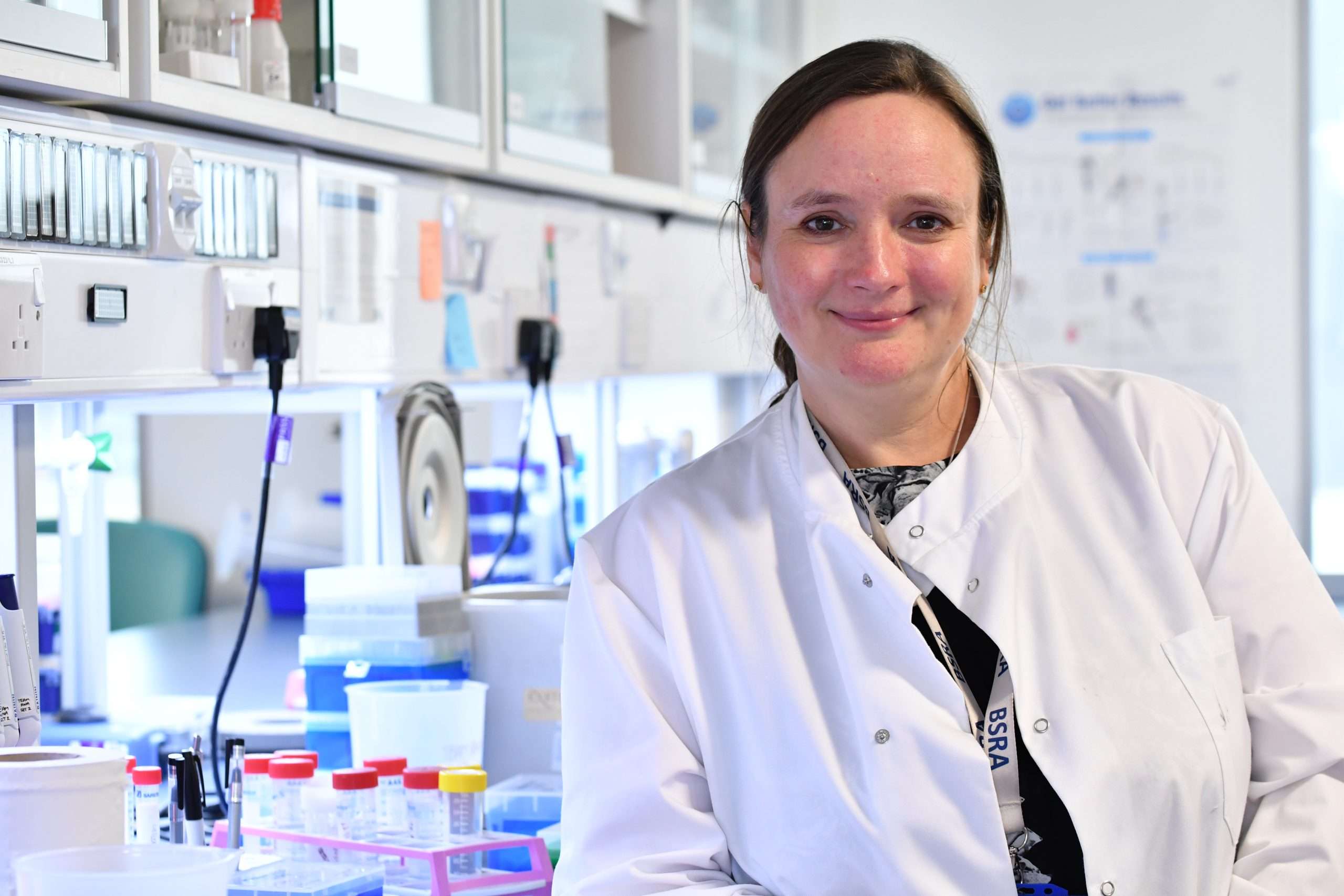
Dr Owen Kavanagh
Dr Owen Kavanagh is a Senior Lecturer in Biomedical Science at York St John University. He is a founding member of the Coalition to Illuminate and Address Animal Methods Bias (COLAAB). Animal Methods Bias is when research is unfairly evaluated because it does not include animal-based experiments and it is barrier to adoption of nonanimal research. In this talk he will provide an update on the COLAAB strategies for addressing animal methods bias in scientific publishing and funding.
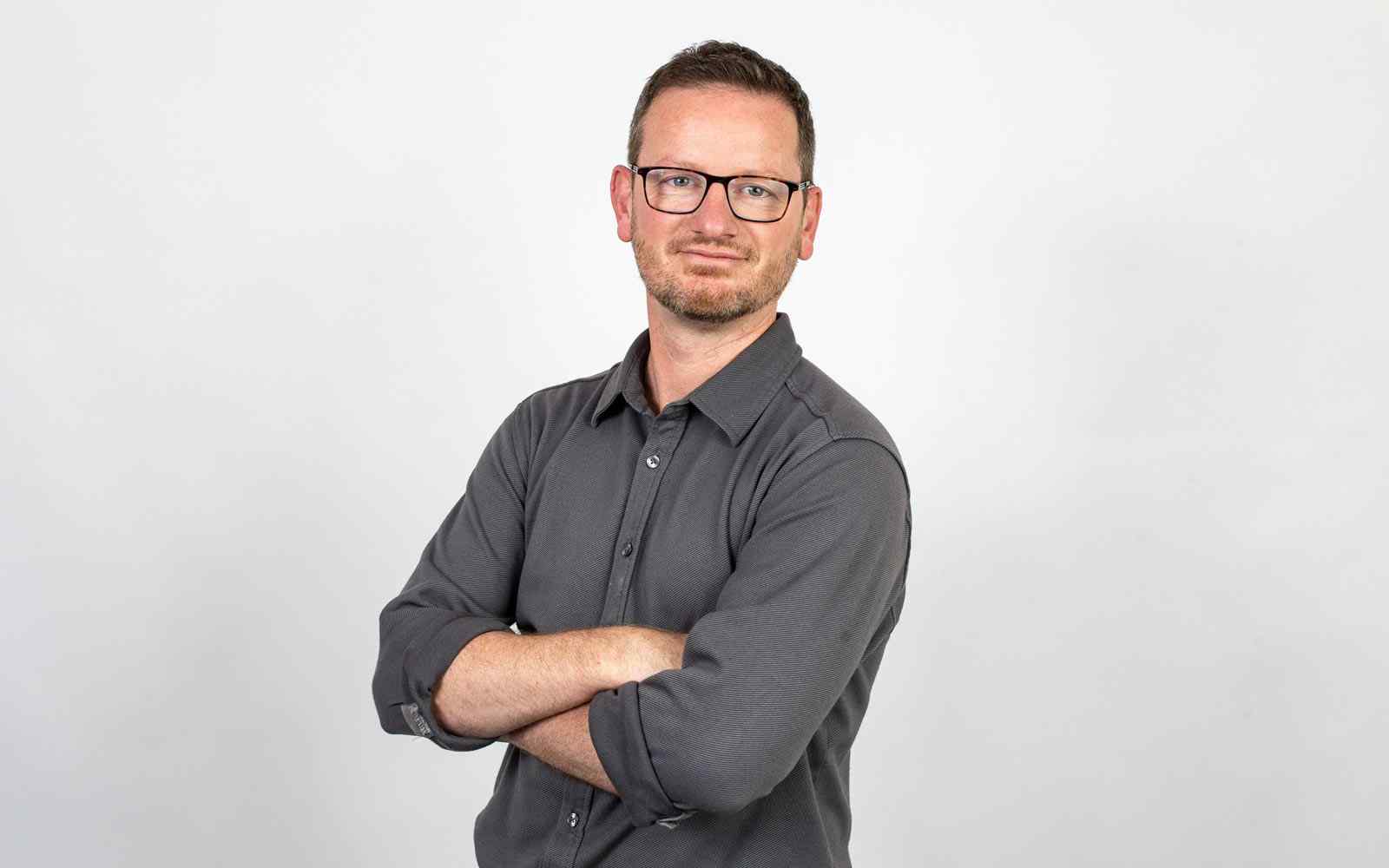
Dr Lisa Mohamet
In 2017, Lisa joined GSK preclinical R&D as a Scientific Leader to head up the advanced cellular model platform group to support lead drug discovery programs. In 2018, her team moved to help establish the Functional Genomics department. Currently, she serves as Head of Translational Cell Models within Target Discovery and leads The Stem Cell & Complex In Vitro Models Centre for Excellence at GSK. She leads a team of ~40 scientists, focussing on the application of iPSC-derived cell types & complex human in vitro systems incl. organ on a chip & organoids for use in CRISPR screening for target identification/validation & preclinical research across GSK priority therapeutic areas. She recently joined the board of ELRIG & chairs the Innovation Group.
Prior to joining GSK, Lisa was a Royal Society of Edinburgh/BBSRC Entrepreneur Fellow at The University of Manchester & co-founded StrataStem Ltd, an innovative spin-out biotech company, utilizing stem cell technology to identify stratification opportunities for Alzheimer’s disease where she continues to serve as a director.
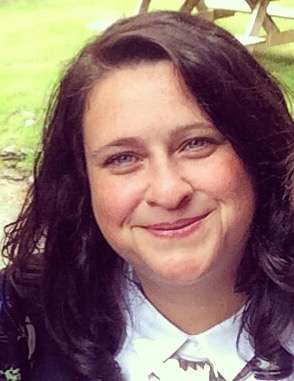
Dr Cátia Neto
Cátia is a Lecturer in Pharmaceutical and Health Technologies at Cardiff University, working at the interface of neuroscience, cancer biology, and immunology. She develops patient-derived, human-specific models, including induced pluripotent stem cell (iPSC)-based systems, to investigate glioblastoma biology and tumour-immune interactions. Her work combines advanced 3D in vitro models with live-cell imaging and high-content analysis to capture dynamic cell-cell interactions and communication in human disease. By advancing physiologically relevant human model systems, her research aims to improve translational drug discovery and reduce reliance on animal models, with broader applications in brain tumours, neuro-inflammatory diseases, and kidney disease.
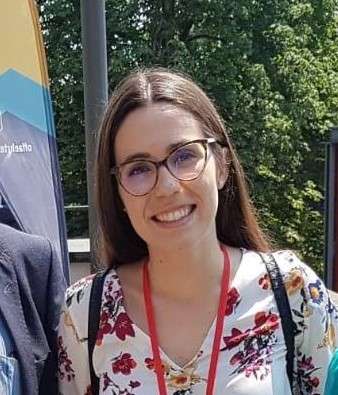
Professor Valerie Speirs
Chair of our Scientific Advisory Panel, Val is also Chair in Molecular Oncology at the University of Aberdeen having relocated in 2018 after many years at the University of Leeds. She is one of the founders of the Breast Cancer Now Tissue Bank which collects and makes breast cancer tissue samples available for researchers across the UK and beyond. She uses these in her own work to develop better in vitro models of breast cancer to understand breast cancer biology. She co-directs the Aberdeen Cancer Centre, bringing together a team of scientists and clinicians working collaboratively to deliver patient-centred research, which aims to translate new laboratory findings into the clinic with the goal of directly improving patient outcomes.
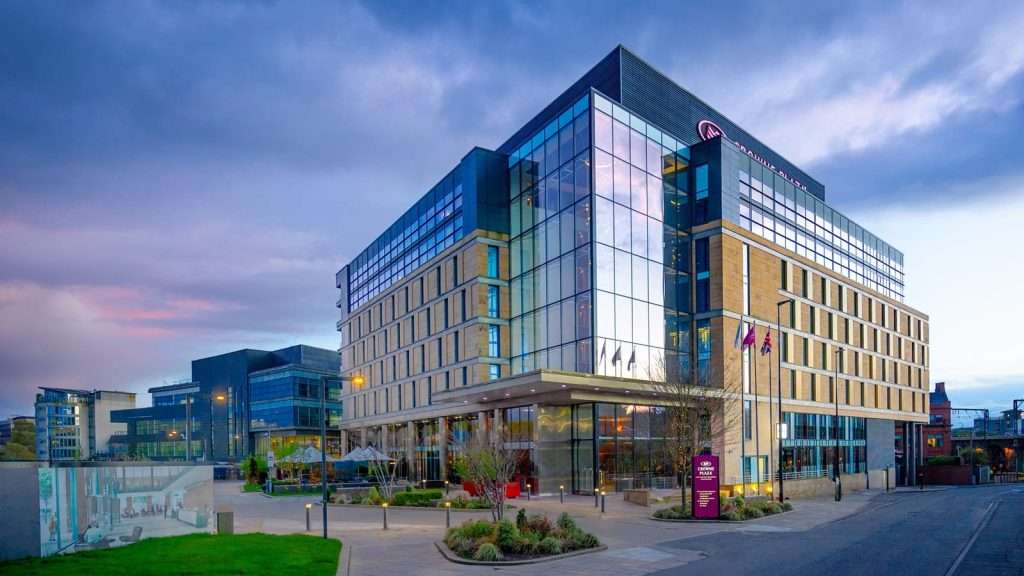
About the Crowne Plaza Newcastle
Crowne Plaza Newcastle is set in the heart of Newcastle in the city’s Stephenson Quarter. An IHG hotel, it boasts a modern, sophisticated event space including comfortable seating and refreshment stations along with a dedicated breakout space.
With easy transportation links and adjacent to Newcastle Central Station, this venue couldn’t be more suitable for our Human Specific Research Conference 2027.
Submit your email address below to receive conference and programme updates including notifications of speakers, calls for papers and posters, and networking during the 2-day event.