
Plant-Based Platforms for Antibody Therapeutics:
A Scalable, Ethical Alternative
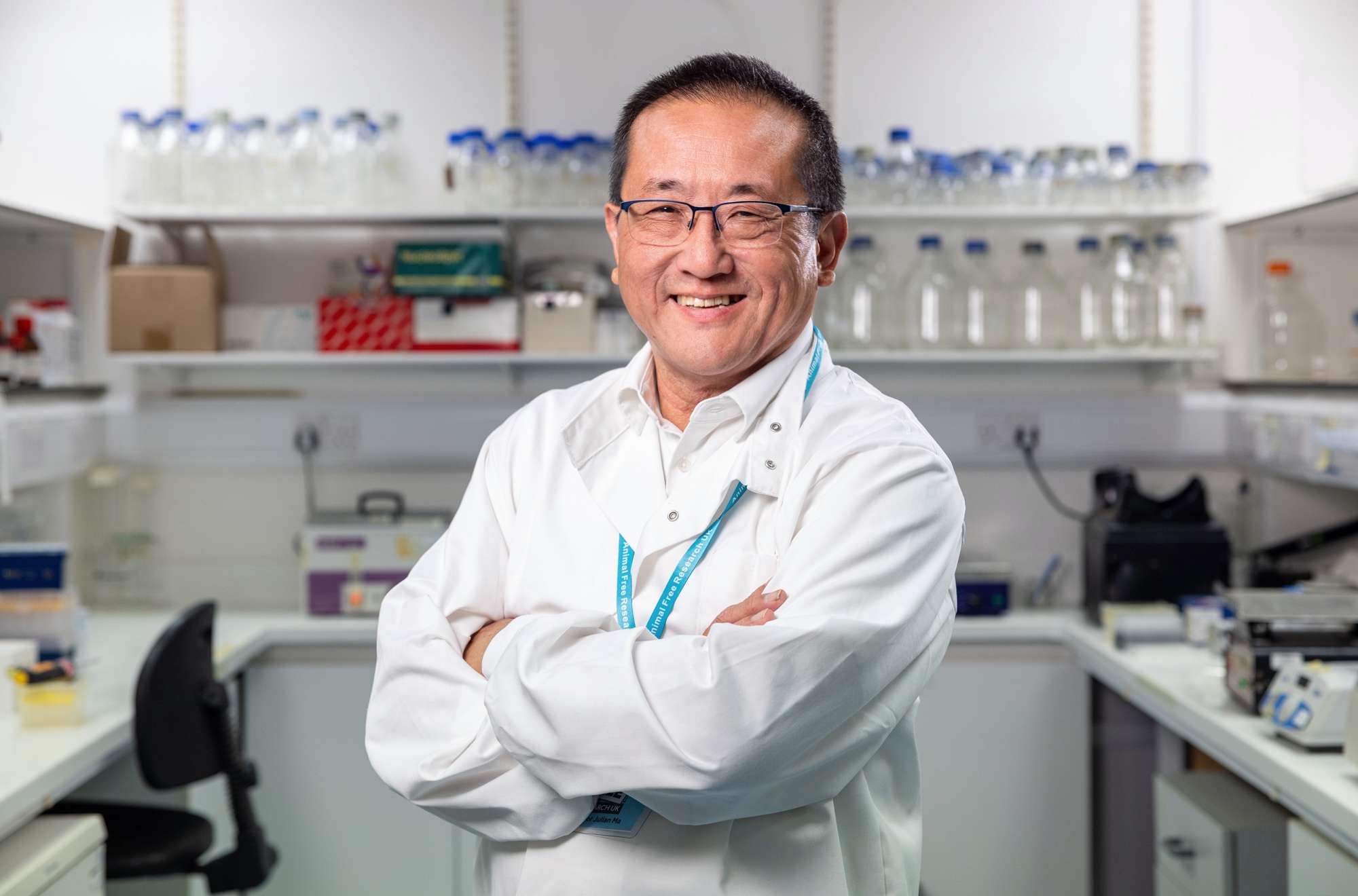
Professor Julian Ma, at City St George’s, University of London, is advancing a novel and promising frontier in biologics manufacturing: the use of plants to produce recombinant monoclonal antibodies (mAbs) and other protein-based therapeutics. His research tackles both technological and ethical challenges of the current industry standard – production via bioreactor-grown Chinese hamster ovary (CHO) cell cultures – through the development of cost-effective human-specific alternatives.
From Concept to Application: Plants as Biofactories
The current manufacture of mAbs depends almost exclusively on animal cells (usually CHO (Chinese Hamster Ovary) cells), using an industry standard platform that is extremely expensive. Over the past three decades, plants have been investigated as an alternative system for antibody production. Their low cost, scalability, and lack of human pathogens make them an attractive option. However, there are still no commercial plant-derived mAb therapeutics. Furthermore, commercial uptake has been slow due to low and inconsistent yields compared with mammalian systems as well as a degree of industry resistance to such disruptive technologies.
Professor Ma’s group has made major strides in overcoming these barriers and has significantly enhanced the ability of plants to produce complex proteins like mAbs. In a recent breakthrough, the group used gene editing to expand the endoplasmic reticulum (ER) (the site of antibody folding and assembly) of Nicotiana benthamiana (a relative of tobacco).


The Ma group have developed expression and purification pipelines using transient agroinfiltration (a method to transiently express genes in plants by introducing bacteriacarrying a gene of interest) and affinity chromatography (a purification technique that separates proteins based on specific binding interactions). They have upregulated the synthesis of phosphatidylcholine, a key membrane lipid, resulting in a 40–100-fold increase in the yield of two test antibodies.
Improving Plant-Based Antibody Production
A major challenge in using plants to produce therapeutic antibodies is ensuring they match the quality and function of those made in mammalian cells. Key differences, such as the lack of human-like glycosylation (particularly sialylation), can affect antibody stability, half-life, and clinical efficacy. Additionally, plants don’t naturally express the same protein-folding chaperones found in mammalian systems, which can limit antibody yield and functionality.
The pilot project, supported by the Centre for Human Specific Research, aims to overcome these barriers by engineering plants to produce human-compatible glycan profiles and co-expressing key ER-resident chaperones such as PDI, BiP, and calnexin. It is hoped that these changes will help optimise folding, yield, and function of the antibodies.
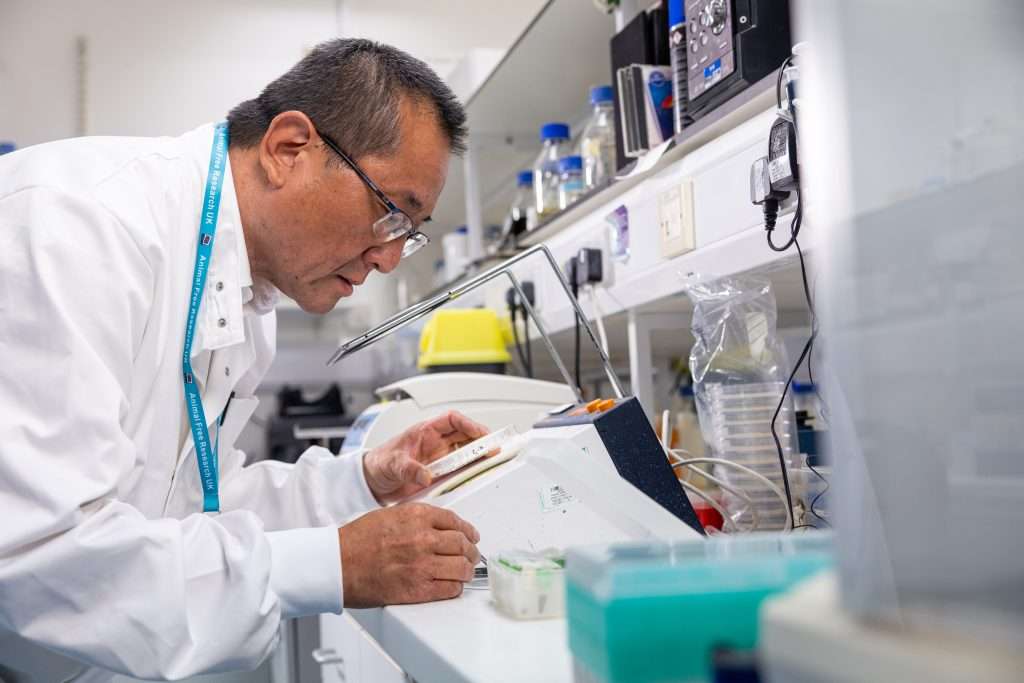
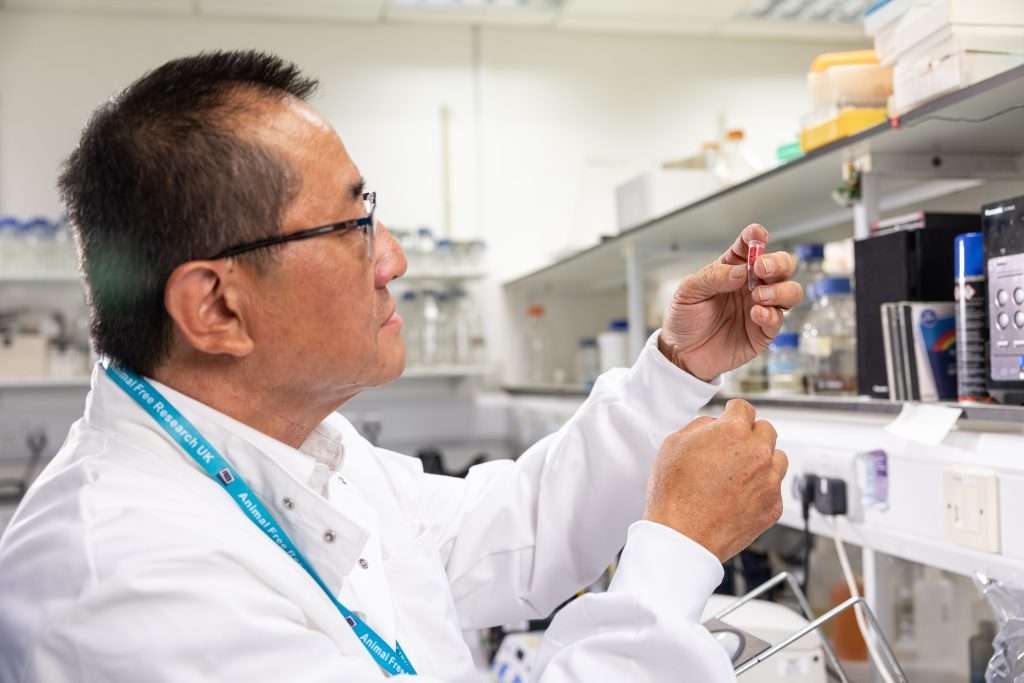
To demonstrate clinical relevance, the team is testing at least five mAbs across four antibody formats, including full-length IgG, monomeric IgA, secretory IgA, and antibody fragments. These mAbs target bacterial and viral pathogens such as SARS-CoV-2, Chikungunya virus, rabies, HIV, tuberculosis, and E. coli, with potential future applications in immunisation against RSV and Candida, and even in treating cancer and inflammatory or neurodegenerative diseases.
Advanced tools such as surface plasmon resonance and LC-MS glycan analysis are being used to assess antibody quality, binding, and functional equivalence.
A Platform for Global Health
This work is especially relevant to improving access to antibody therapies in low- and middle-income countries (LMICs). Manufacturing antibodies in plants is easier compared to CHO cell fermentation, both in terms of technical expertise, affordable infrastructure and lower start-up costs for manufacturing facilities. There is for example, easy availability and security of supply of raw materials for production in plants – water, simple nutrients, heat and light, compared to the complex requirements of CHO cells, which in some cases still require additional animal-sourced products. New companies in South Africa and Thailand have already begun plant-based antibody production, demonstrating the platform’s real-world potential.
Scientific and Societal Impact
This research addresses a critical gap in current antibody manufacturing- the reliance on expensive, animal-derived cell culture platforms that limit global access. By developing a truly scalable, affordable, and animal-free technology, Julian Ma’s work paves the way for broader use of antibody therapeutics in both developed and developing countries.
The implications are wide-ranging – from ethical gains in animal-free science, to enabling local biologics production in LMICs, to greater resilience in the global health supply chain.
As the biotechnology and pharmaceutical industries move toward more sustainable and accessible production systems, plant-based platforms like this could become a cornerstone of next-generation therapeutic manufacturing.
Quotes
Professor Julian Ma
City St George’s, University of London
“We are delighted to be working with the Centre for human-specific research. Our project to improve the expression of recombinant antibodies using green, animal-free manufacturing in plants is an exciting opportunity to provide important alternatives for the medical and research industries.“

Dr Stephanie Modi
Centre for Human Specific Research
“Plant-based platforms represent a powerful shift toward accessible, scalable and ethical antibody production, particularly for global health. By removing animals from the manufacturing process and offering affordable alternatives, this work aligns directly with the goals of the Recombinant Antibodies & Mimetics Database: to promote scientifically validated, non-animal-derived reagents that support both reproducibility and global equity in research and therapeutics.”