
Developing a Fully Humanised Cell Culture Method for Routine Maintenance of Breast Cancer cells
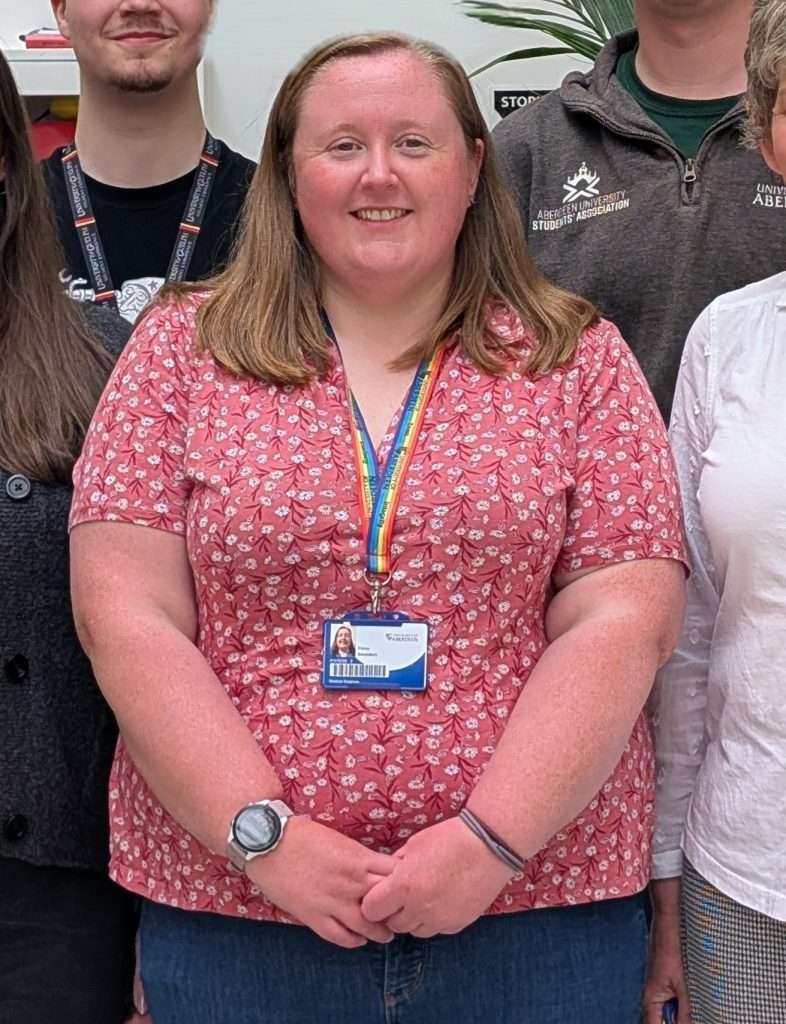
Dr Fiona Saunders, at the University of Aberdeen, is developing a fully humanised, animal-free method for culturing breast cancer cells. The team is evaluating three commercially available FBS alternatives – using common breast cancer cell lines and a mammary epithelial cell line. Their goal is to identify suitable replacements for foetal bovine serum (FBS), develop open-access protocols, and understand barriers to adoption through a researcher survey.
An Overreliance on Foetal Bovine Serum
Foetal bovine serum (FBS), also known as foetal calf serum (FCS), has been a cornerstone of mammalian cell culture for decades. It provides a complex, undefined mixture of growth-promoting components (such as hormones, growth factors, amino acids, vitamins, proteins, inorganic salts, trace elements, carbohydrates, and lipids) that support cellular growth and metabolism. Despite its widespread use, FBS presents both scientific and ethical challenges.
Although animal-free alternatives to FBS were introduced in the scientific literature over 40 years ago and several commercially available options now exist, uptake remains limited. A research culture that is focused on adherence to standard protocols and concerns about reproducibility have made researchers reluctant to depart from FBS-based methods. Additional perceived barriers include concerns about cost, performance, and compatibility with specific cell lines – especially in breast cancer research, where individual cell lines often have unique culture requirements.
FBS is derived from the blood of a bovine foetuses during slaughter and obtained via cardiac puncture without anaesthesia – an invasive procedure likely to cause pain and distress. A single research laboratory can typically use between two and five 500ml bottles of FBS annually. In 2002, global production was estimated at 500,000 litres per year – requiring roughly one million bovine foetuses. By 2021, production had nearly doubled. In addition to ethical issues, FBS suffers from batch-to-batch variability and an undefined composition, both of which can compromise reproducibility and experimental reliability.
A Strategy for Change
Dr Fiona Saunders is addressing these challenges as she aims to improve the human-relevance and scientific and ethical quality of preclinical breast cancer research. Funded by the Centre for Human Specific Research and The Cyril and Margaret Gates Charitable Trust, Fiona and her team are working to develop a fully humanised, animal-free culture system. They aim to identify and validate animal-free alternatives to FBS that support long-term breast cancer cell culture without altering cell phenotype or function.
To identify the most suitable synthetic FBS alternative(s) for maintaining key breast cancer cell lines, Dr Saunders is assessing three commercially available animal-free serum alternatives – GroPro (human platelet lysate), Serum Replacement 3, and XerumFree. These will be tested on three widely used breast cancer cell lines – MCF-7, T47D, MDA-MB-231 – alongside HB2, an immortalised, non-transformed mammary epithelial cell line. The transition protocols include gradual replacement of FBS followed by a comprehensive assessment of cell growth kinetics, morphology, metabolic activity, viability, and drug response. Preliminary data have shown that GroPro effectively supports MCF-7 cell growth but not HB2, suggesting that serum alternatives may exhibit cell-line-specific performance.
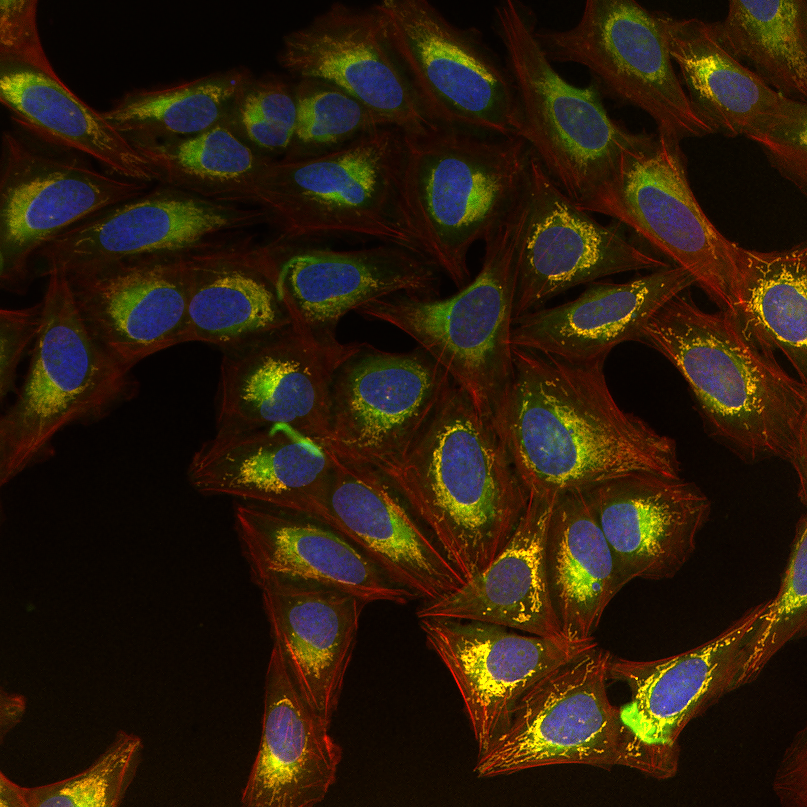

Dr Saunders plans to develop and share a validated, openly accessible protocol for maintaining breast cancer cell lines under fully animal-free conditions and contribute data to the FCS-Free Database, supporting broader adoption of animal-free culture practices.
To better understand researchers’ attitudes and the obstacles to change, a survey will be distributed through the British and European Associations for Cancer Research. It aims to identify barriers that may be preventing scientists from transitioning to fully animal-free cell culture. The results will help shape future outreach, training, and resource development efforts.
Broader Impact
Breast cancer remains a major global health burden, causing 670,000 deaths worldwide in 2022 (WHO) and research into this disease represents a significant share of global preclinical funding. Much of this preclinical research relies on cell culture and therefore, on FBS. This project represents a critical opportunity to advance more human-specific, scientifically robust, and ethical practices across the research community.
Quotes
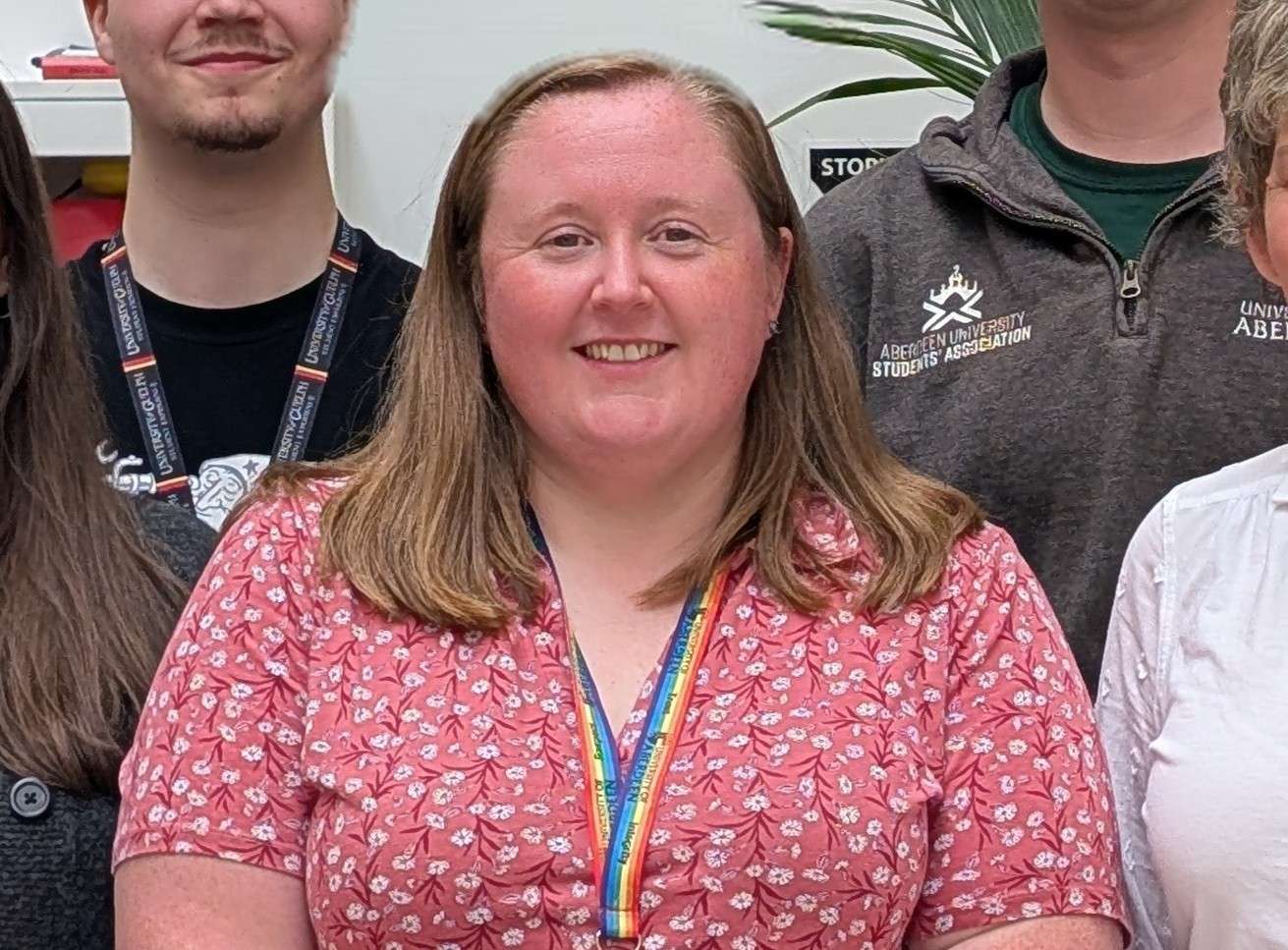
Dr Fiona Saunders
University of Aberdeen
“We are delighted to be awarded funding from The Centre for Human Specific Research to help us develop and validate our animal-free cell culture model for breast cancer cell lines. We believe that there is an urgent need for a sustainable, ethical and reproducible model of breast cancer that both challenges and changes the perception that FBS is the best supplement for culturing cells. We want to show that there are ways to adapt our cell culture practices to animal-free alternatives.”
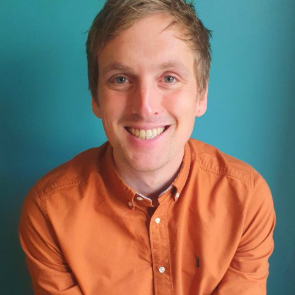
Dr Ross Dobie
Centre for Human Specific Research
“Despite clear scientific and ethical issues, FBS remains widely regarded as essential for human cell culture, but this perception must change. The Centre for Human Specific Research is proud to support a project that challenges this outdated view, and aims to identify and validate more ethical, human-relevant solutions.”