
Developing an Animal-Free Model of the Human Liver
Professor Ian Copple, at the Human Liver Research Facility in Liverpool, is developing an animal-free 3D human liver model by replacing foetal calf serum (FCS) with recombinant growth factors (EGF and HGF) in hepatocyte spheroid cultures. This approach addresses the scientific limitation and ethical concerns associated with FCS, offering a reproducible, human-specific alternative. The team will benchmark this serum-free method against FCS and human serum by assessing spheroid structure, function, and gene expression, with the goal of improving relevance to human liver biology. Results will be openly shared to support broader adoption across academia and industry.

Human Liver Spheroids as Physiologically Relevant Models for Liver Function and Toxicity Testing
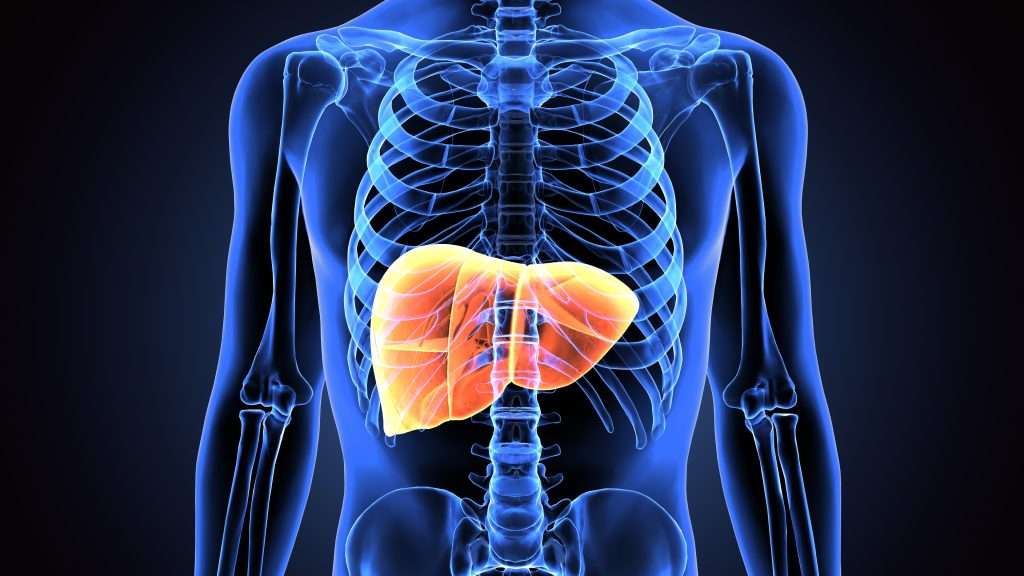
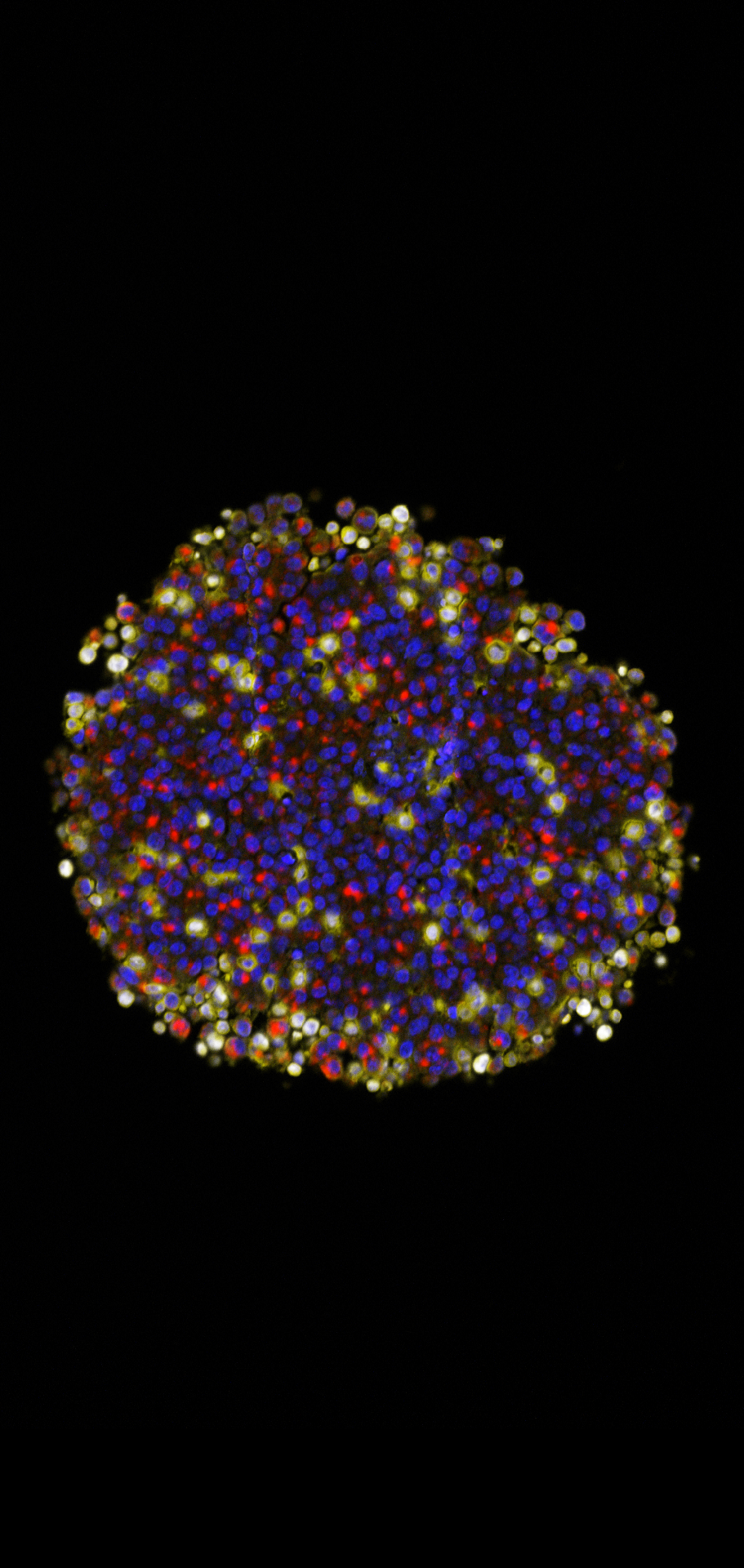
Among the most physiologically relevant in vitro liver models are 3D cultures of primary human hepatocytes – commonly referred to as spheroids. These models more closely replicate the architecture and function of native liver tissue compared to traditional 2D cultures and offer greater reproducibility than organoids. They are widely used in both academia and industry to study liver function and disease, and to predict drug-induced liver injury (DILI).

Why Replace Foetal Calf Serum (FCS)?
The standard protocol for culturing hepatocyte spheroids relies on media supplemented with FCS, a product associated with significant scientific and ethical drawbacks. Its use presents several scientific limitations:
- Batch variability, which compromises reproducibility
- Contamination risks, including viruses and mycoplasma
- Translational failures through using bovine serum to support human cells
FCS is collected via cardiac puncture from unanaesthetised bovine foetuses – a process that raises serious animal welfare concerns. With more than 500,000 litres of FCS used globally each year, representing roughly two million calf foetuses, there is an urgent need for animal-free alternatives.
A Human-Specific, Animal-Free Culture System
A central goal of this effort is to replace FCS with human-derived or recombinant alternatives that are cost effective and maintain, or ideally improve, the quality of hepatocyte spheroids.
The team is focused on two strategies:
- Using human serum in place of FCS
- Supplementing serum-free media with recombinant epidermal growth factor (EGF) and hepatocyte growth factor (HGF), two critical signals for hepatocyte survival and function
Preliminary results are promising. EGF and HGF support robust spheroid formation, including from donor cells that previously failed to form spheroids in FCS-based media. This recombinant approach offers an animal-free, cost-effective, and standardisable method, overcoming many of the limitations of human serum such as high cost, variability, and contamination risk.
About the Human Liver Research Facility (HLRF)
Based at the University of Liverpool, the HLRF was founded in 2022 with the goal of expanding access to human liver tissue and cell models for the study of drug metabolism and liver toxicity, and to advance our understanding of liver biology and disease.
The HLRF supports researchers by providing access to a variety of liver models including primary hepatocytes, non-parenchymal cells, and precision-cut liver slices. All liver tissues are obtained from consenting patients undergoing planned surgical resections at Liverpool University Hospital.
Benchmarking a Better Model
This research project aims to determine whether primary human hepatocyte spheroids can serve as a truly animal-free model by replacing FCS with EGF/HGF-supplemented serum-free media. Their approach will be benchmarked against media containing human serum and FCS by assessing:
- Spheroid morphology
- Functional performance
- Transcriptomic profiles
These characteristics will also be compared with the original liver tissue from which the cells were derived. The ultimate aim is to define a reproducible, animal-free culture system that closely mimics human liver biology and is suitable for widespread use.
The outcomes will be published open access, enabling other labs to adopt the method and amplifying the impact of the work.
Broader Impact and Outreach
Transitioning from FCS to recombinant growth factor-based serum-free media marks a critical step towards more humane, reproducible, and human-specific science. The resulting protocol could become a valuable addition to the Fetal Calf Serum-free Database, which currently lacks entries for human hepatocyte spheroid culture.
With a strong foundation of early success and a clear plan for dissemination, the HLRF is well positioned to lead this shift. Beyond spheroids, this work also supports FCS replacement in related liver models such as organoids and 2D cultures—and may serve as a template for similar efforts in other organ systems.
Quotes

Prof Ian Copple
Human Liver Research Facility
“This project exploits the ability of the HLRF to compare hepatocyte spheroids cultured under different conditions to the patient liver tissue from which the cells were derived. We see this as the first step to transitioning all of the liver models offered by the HLRF to become fully animal-free.”

Dr Ross Dobie
Centre for Human Specific Research
“Physiologically relevant liver models are essential for advancing our understanding of human liver disease and drug-induced liver injury, and to improve translational outcomes in drug development. The Centre for Human Specific Research is pleased to support this project, which seeks to generate and validate a fully humanised, human-relevant hepatocyte spheroid model with potential applications across both academia and the pharmaceutical industry.”