
Human Specific Research Community Scotland
Become part of the Human Specific Research Community Scotland and connect with scientists and organisations dedicated to advancing effective, ethical, and human-relevant research approaches.
Our community provides a collaborative platform for researchers from across academia and industry to share expertise, build meaningful partnerships, and accelerate the progress of human-specific research.
New Funding Opportunity: Micro Grants
Our Micro Grants provide up to £500 to help scientists purchase and evaluate animal-free reagents. Successful projects will contribute to the development of publishable protocols for animal-free antibodies and mimetics, foetal calf serum (FCS) alternatives, and animal-free hydrogels. Currently open to Scotland based researchers only.
Join Our Forum
A dedicated space for our Human Specific Research Community Scotland exists – to ask questions, share knowledge and expertise, and connect with like-minded peers. Watch this community grow and advance human-focused research in your region. Register in a few simple steps or log in to join the conversation:
Introducing Our First Virtual Event
The Centre for Human Specific Research was delighted to launch its very first virtual event – bringing together ideas, expertise, and conversations that are shaping the future of research. Hosted by Dr Ross Dobie and Dr Jonathan Sheard, this virtual series invites guests to share their journey of transitioning away from animal models and animal-derived materials, offering practical insights, reflections on challenges, and key lessons learned along the way.
🎤 Featured Guest: Dr Hannah Donnelly
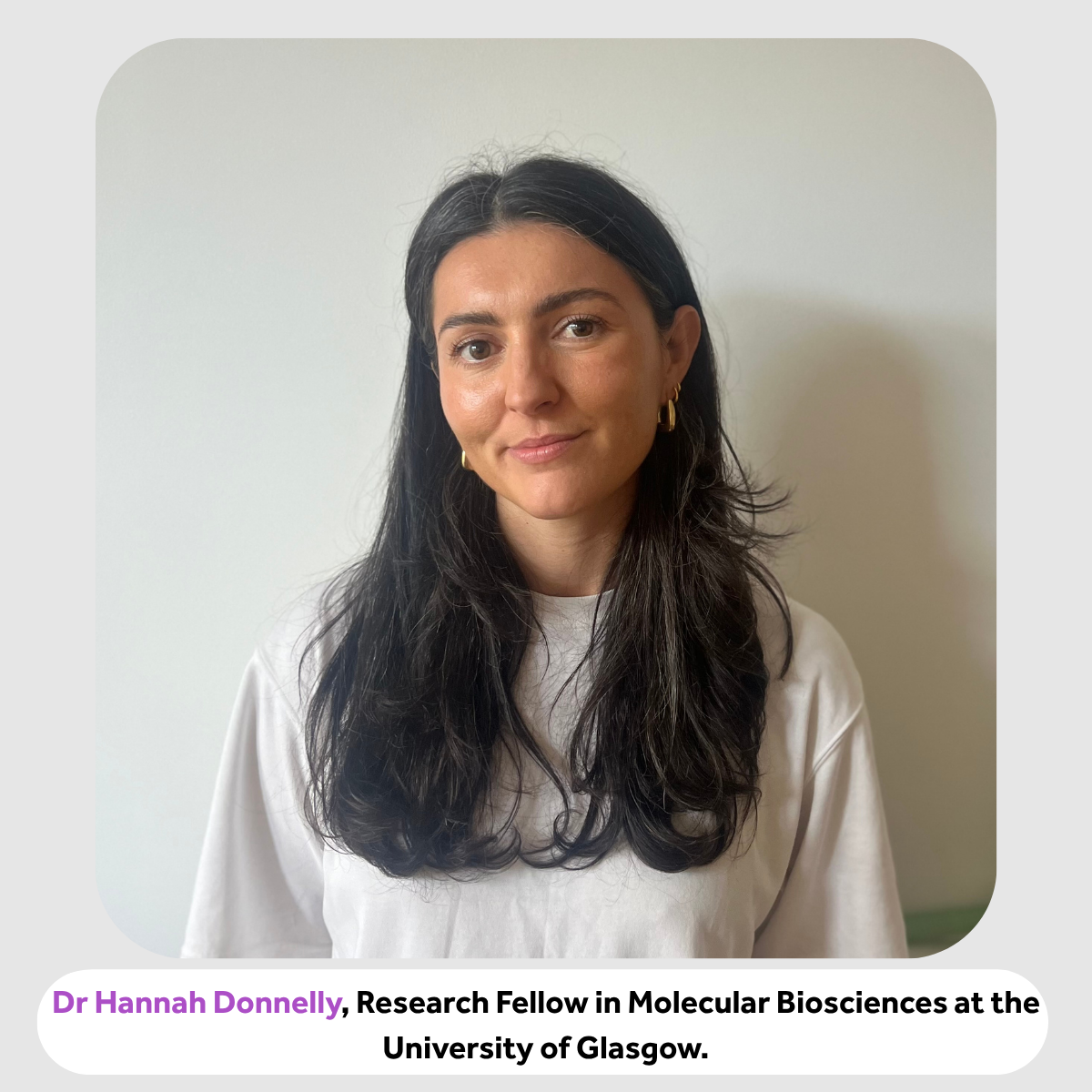
For our first event, we were delighted to welcome Dr Hannah Donnelly, Research Fellow in Molecular Biosciences at the University of Glasgow. Her work focuses on bioengineering human tissue models of immune-system organs, including bone marrow and lymph-node-like systems, as non-animal drug-testing platforms and tools to study health and disease.
Did you miss it? You can watch the full episode now via the Forum > Scotland Regional Community channel.
Our Launch Event
7 May 2026 | Advanced Research Centre (ARC), University of Glasgow
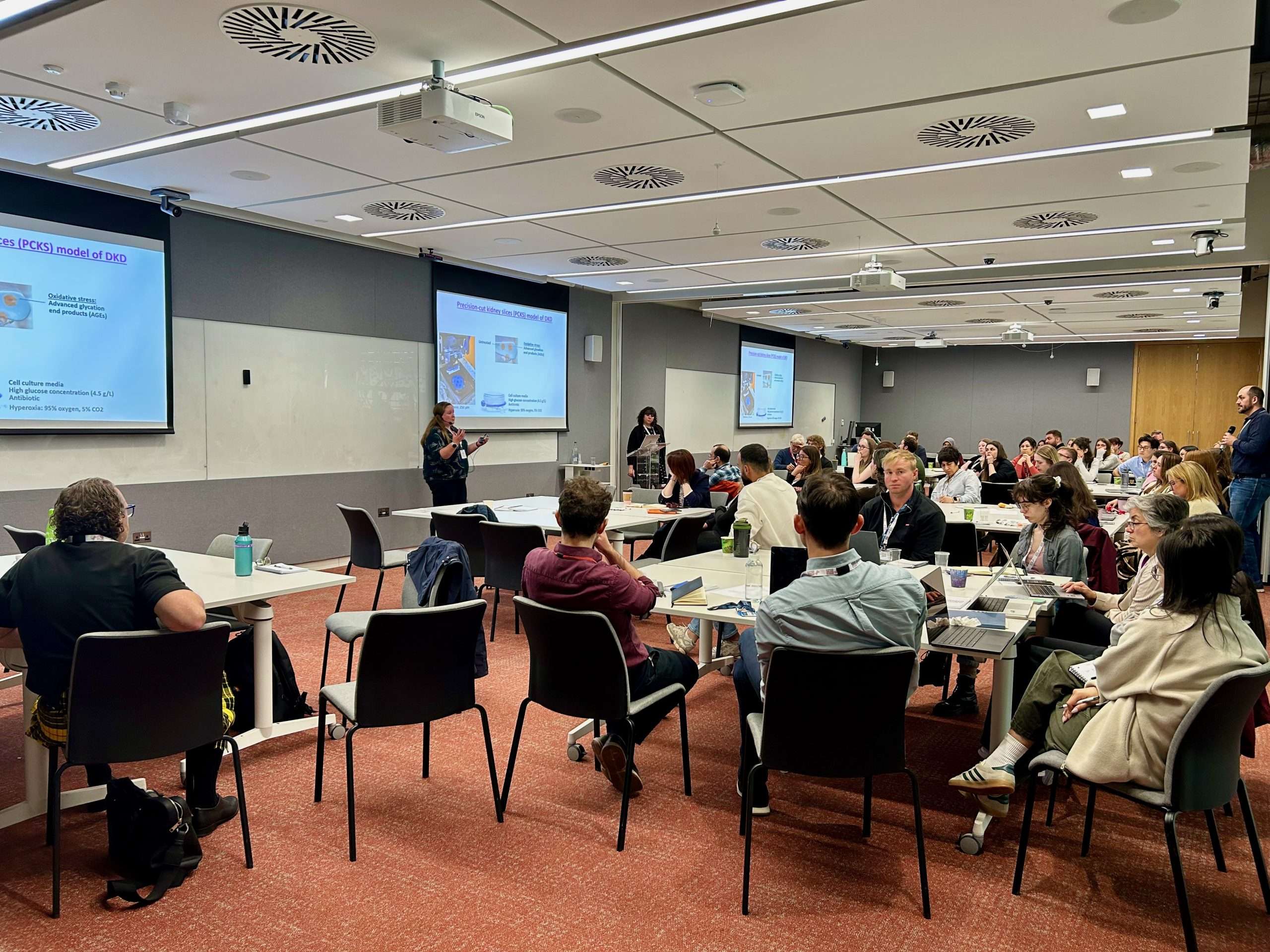
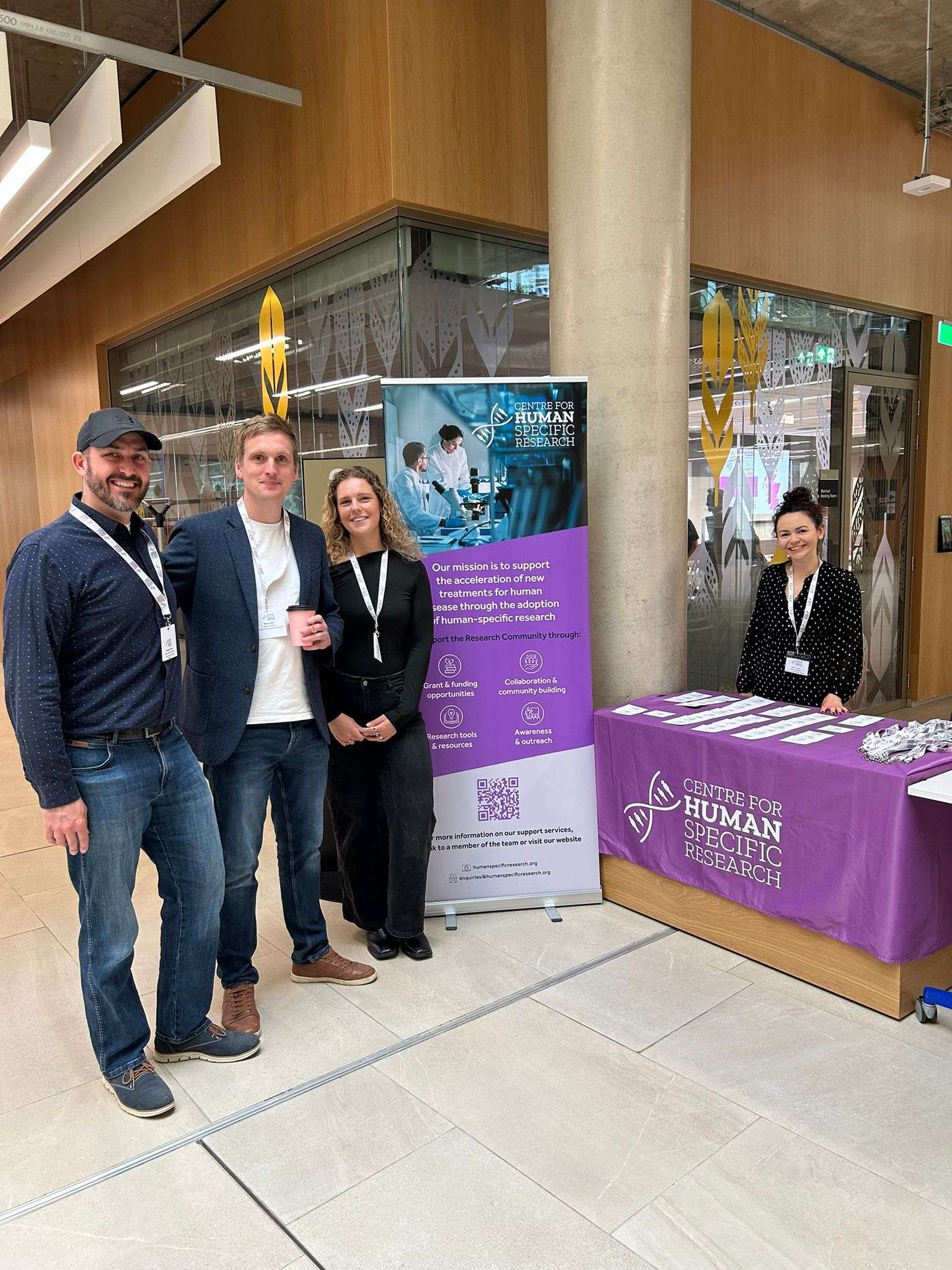
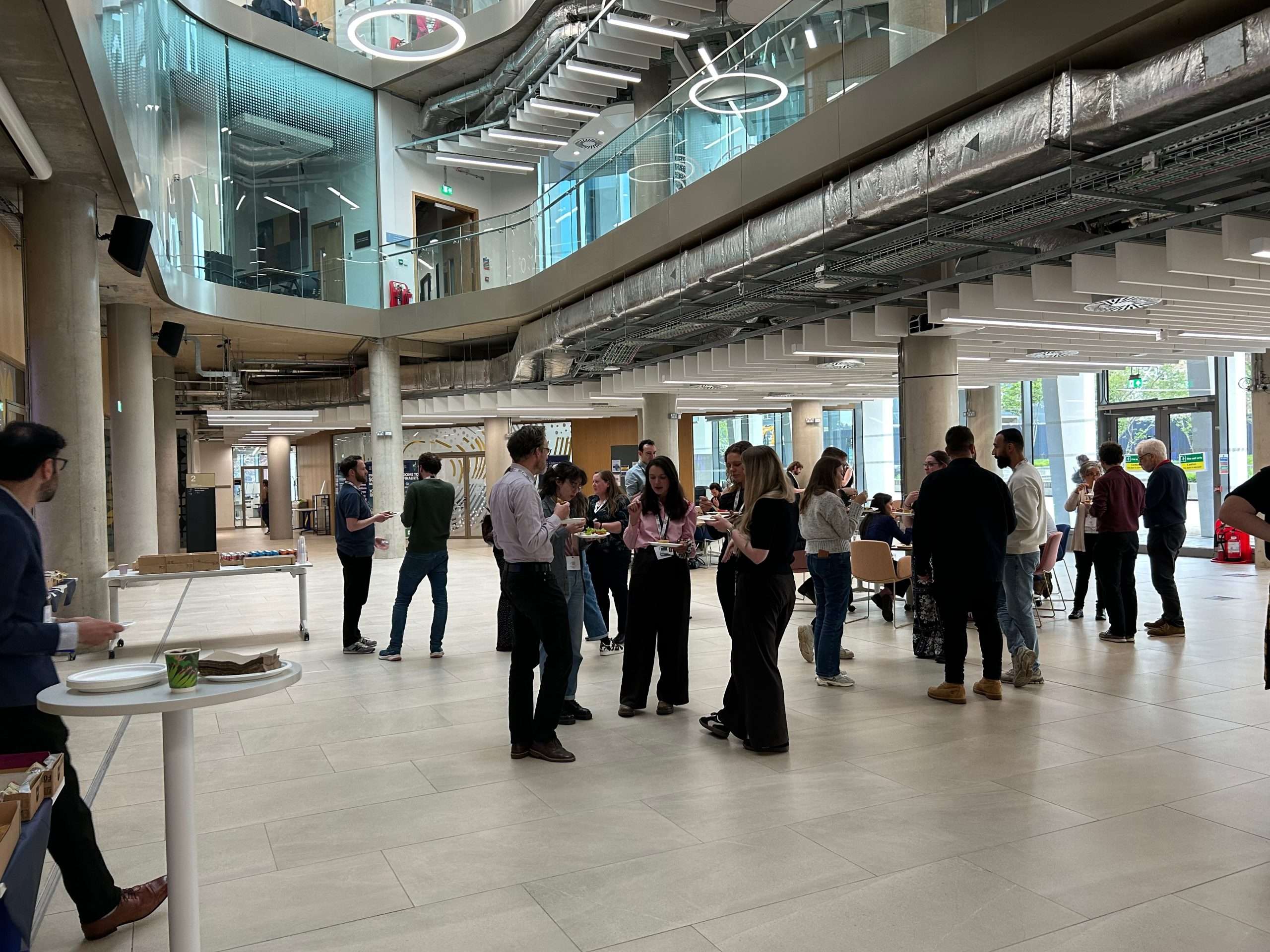
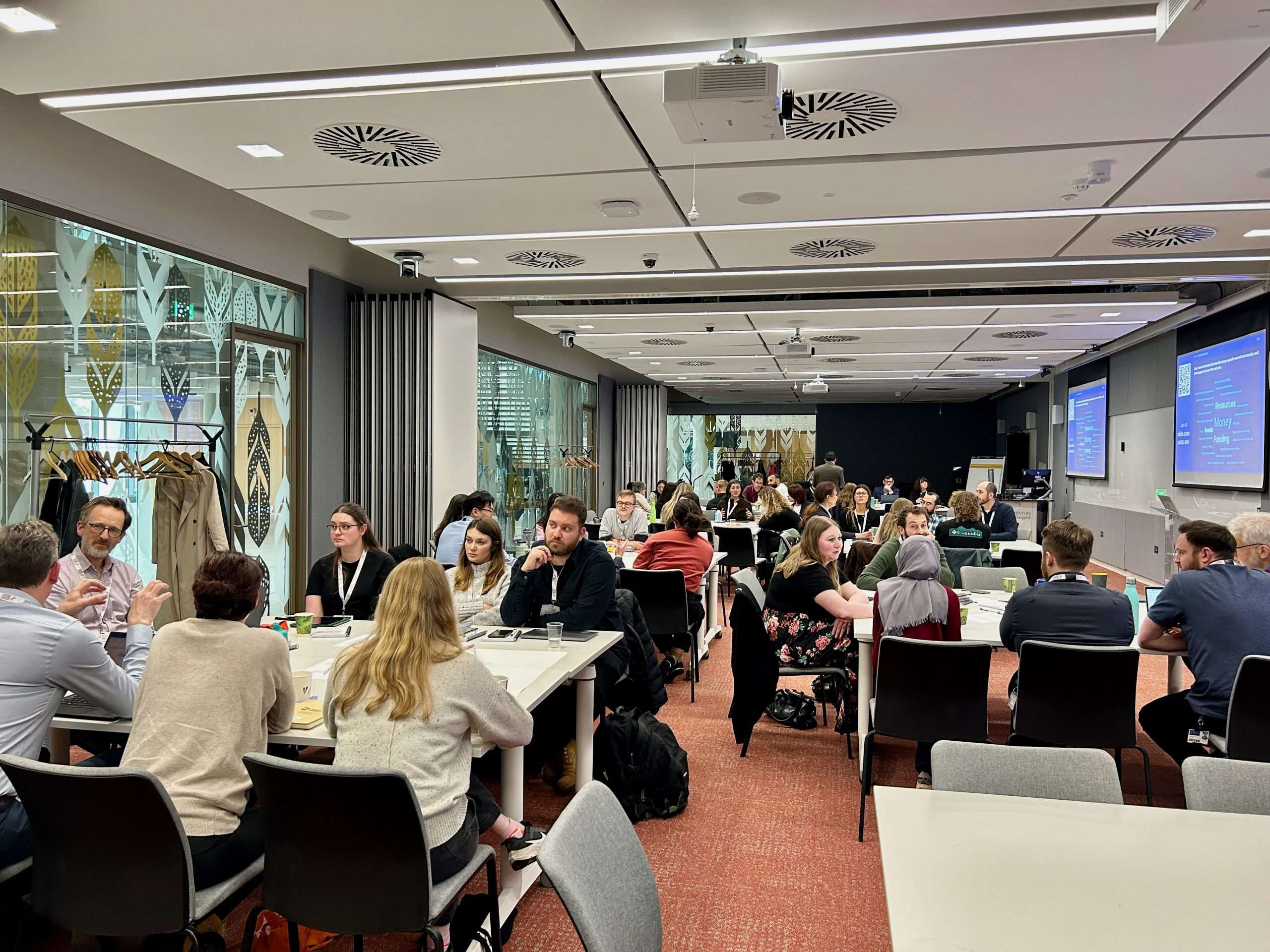
Thank you to everyone that joined us for our first Human Specific Research Community Scotland event, which took place on 7 May 2026 at the Advanced Research Centre (ARC), University of Glasgow. This free to attend one-day event in association with the Centre for the Cellular Microenvironment and the MAINSTREAM Hub, brought together researchers from across Scotland to spark knowledge exchange, inspire collaboration, and drive innovation in human-specific research – laying the foundations for a connected and engaged regional community.
The program included:
- Expert Talks – showcasing outstanding human-specific research taking place in Scotland.
- Roundtables Discussions – An opportunity to connect with fellow researchers, build new connections and help shape the future of the community.
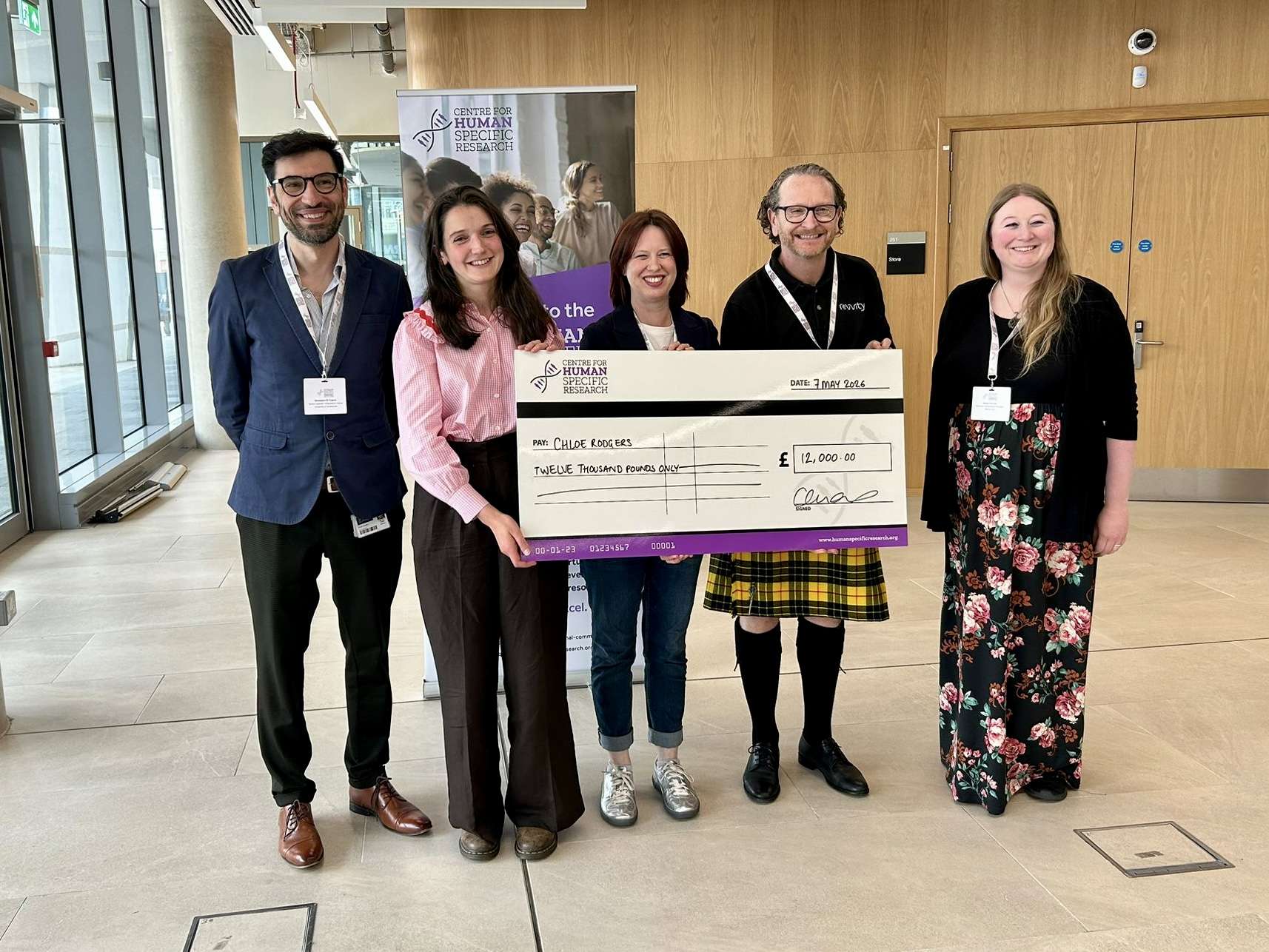
- The Impact Factor – A Dragon’s Den style pitching session, offering participants the chance to secure up to £12,000 to support their research project.
The Impact Factor Winner
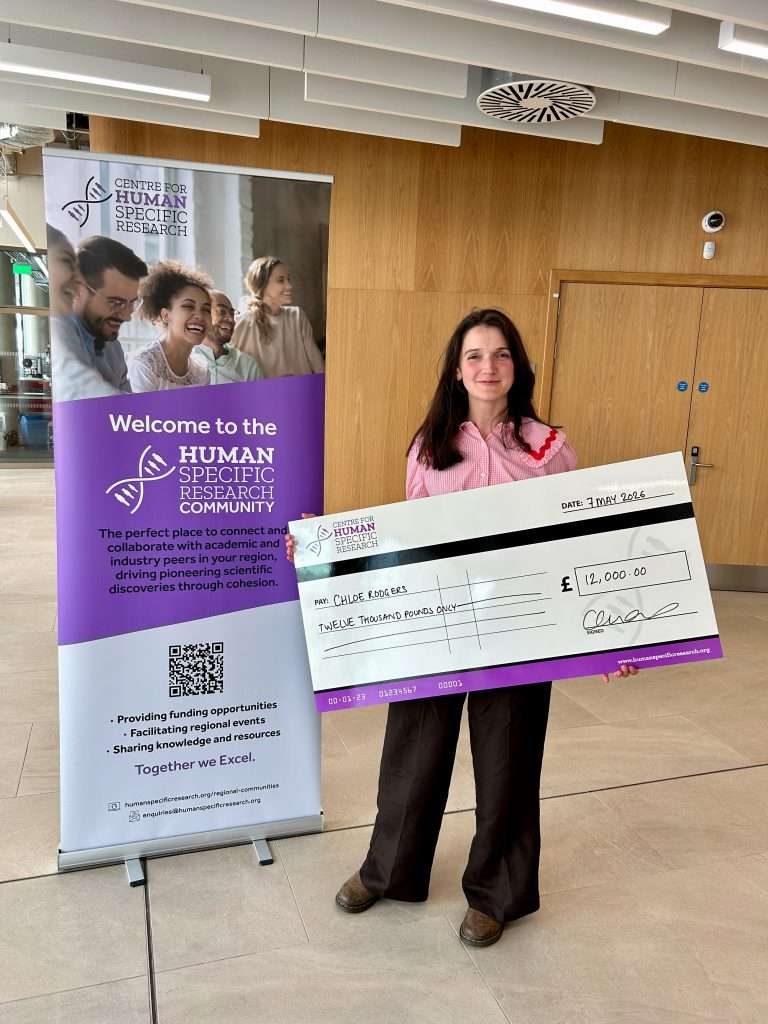
Dr Chloe Rodgers, Research Associate in Molecular Biosciences at the University of Glasgow, walked away with our £12,000 Regional Community Grant for her project MEDUSA: Modelling the Endometrium Dynamically Using Silicon-based Alternatives.
This project addresses an important challenge in women’s health – the need for more accurate, human-relevant models to understand how drugs and biological processes affect the female population.
For a more detailed breakdown of Chloe’s project and more information about our regional events, head to our community Forum.
Meet Our Speakers
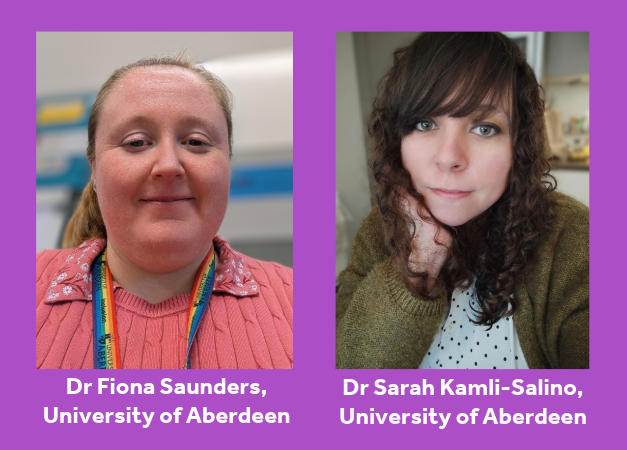
Dr Fiona Saunders spoke in detail about the development of a humanised model for breast cancer research – with initial insight available here. Her commitment to breast cancer research is unrivalled as she aims to provide more human-relevant, scientifically robust, and ethically responsible models to study this devastating disease.
Dr Sarah Kamli-Salino‘s work around testing drug candidates for diabetic kidney disease in kidney slices from human biopsies aims to develop a human ex vivo model of diabetic nephropathy to help screen them. The feedback on both Fiona and Sarah’s talks was incredible – thank you both for sharing your invaluable research.
The Impact Factor Dragons
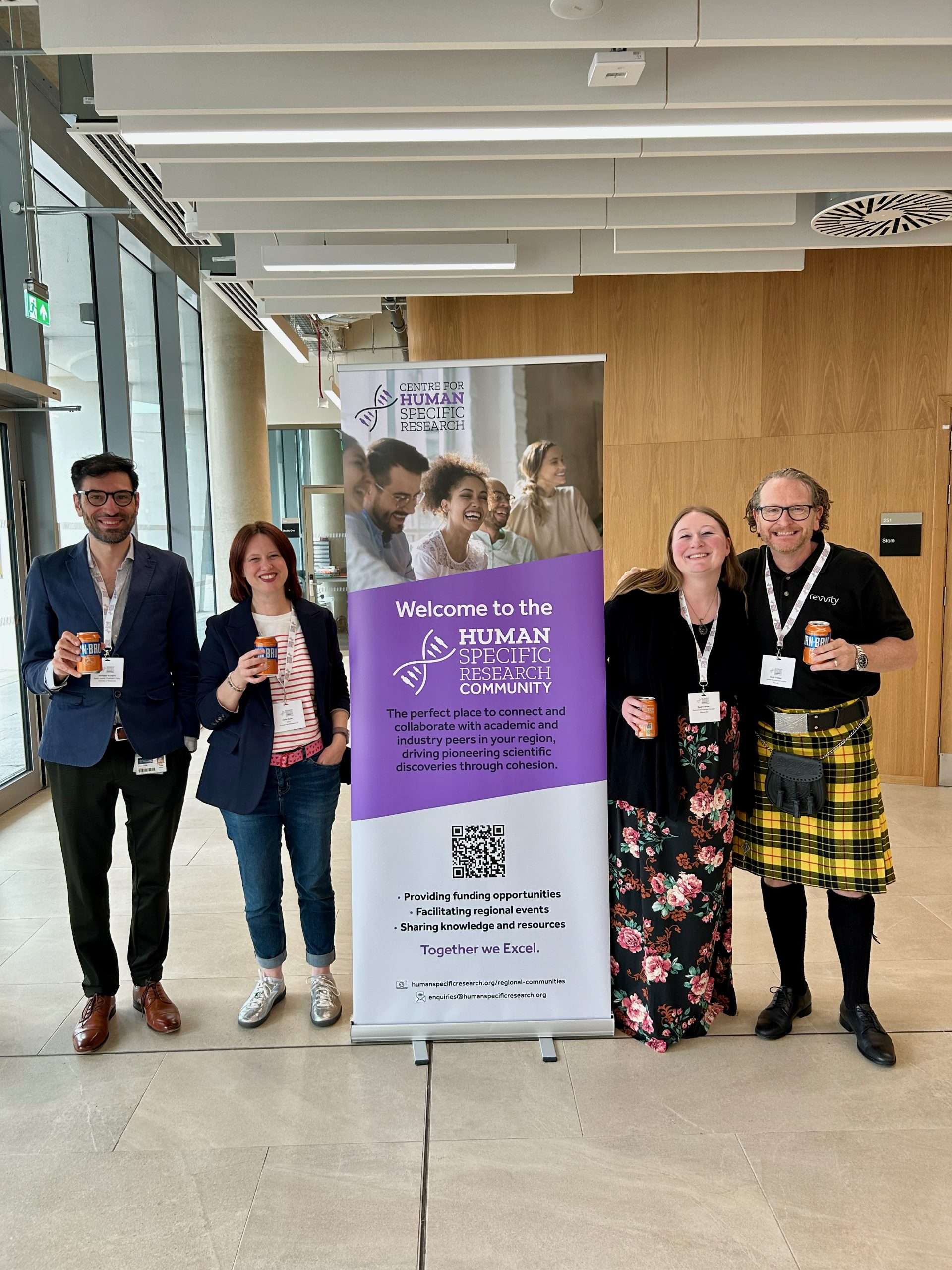
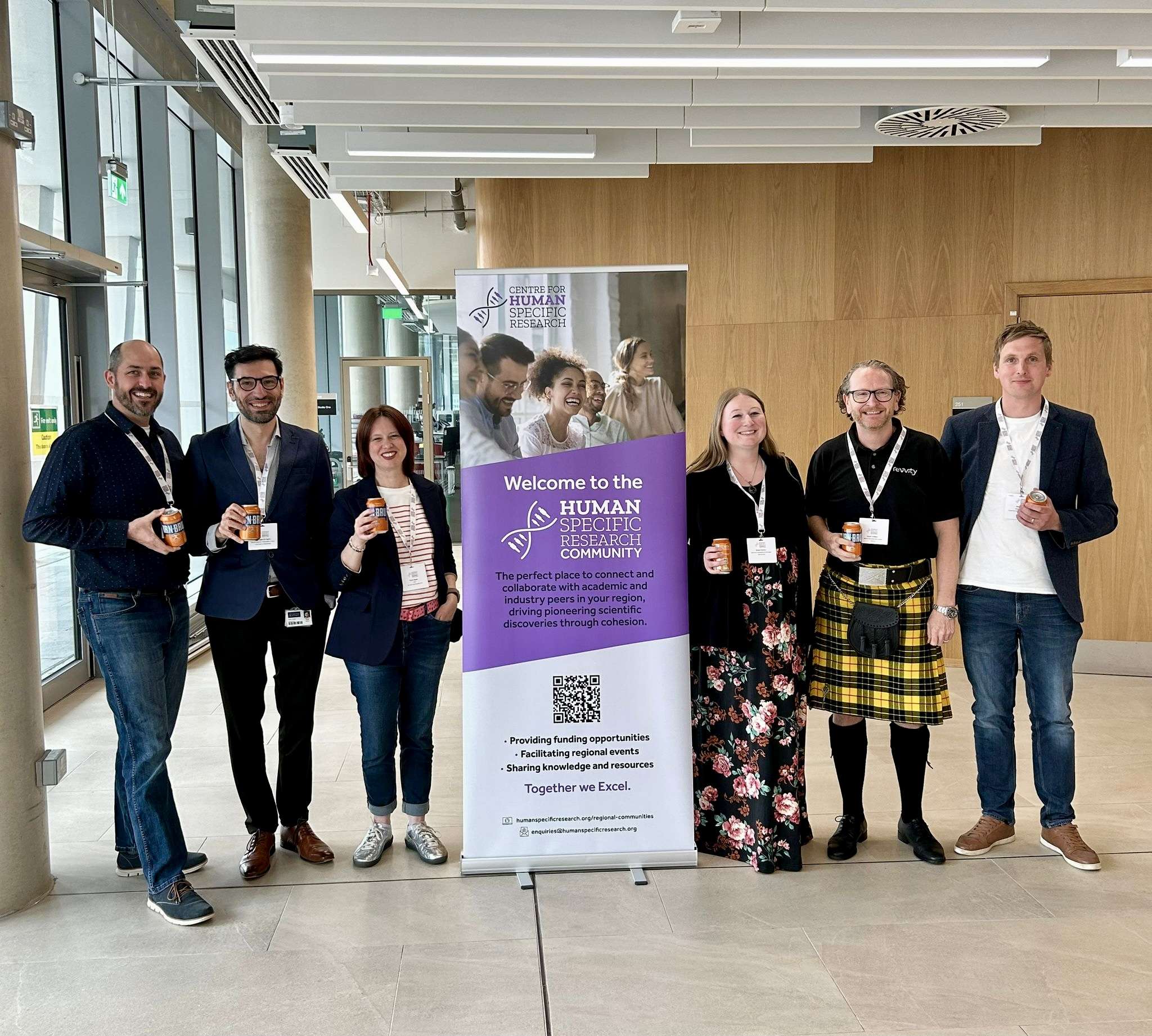
Meet our panel of 4 Dragons – the judges of Dragon’s Den-style pitches took place live on the day! Our shortlisted 6 hopefuls pitched for the chance to secure a Regional Community Grant of up to £12,000 at this launch event. Here’s what our Dragons had to say:
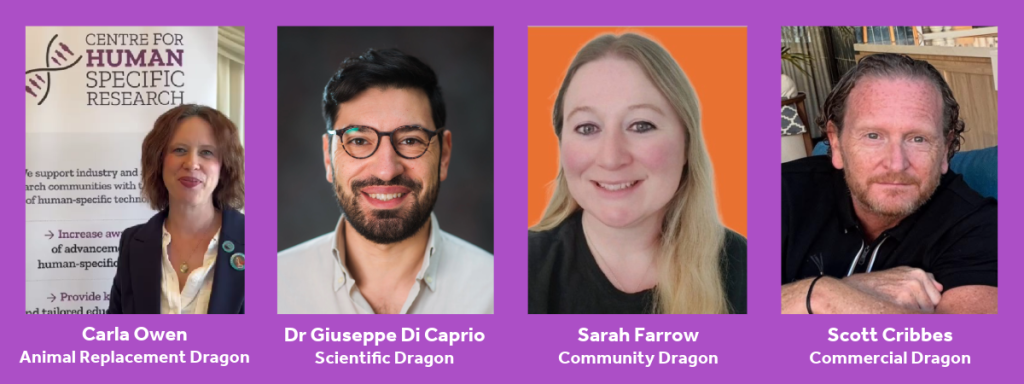
Carla Owen, CEO at Animal Free Research UK – Animal Replacement Dragon: “I’m excited to support the next generation of mid-career researchers to take forward animal-free scientific approaches that put humans at the heart of medical research.”
Dr Giuseppe Di Caprio, Centre for the Cellular Microenvironment, Department of Biomedical Engineering, University of Strathclyde, Senior Lecturer / Chancellor’s Fellow – Scientific Dragon: “I will be looking for projects that combine originality with practical thinking: Ideas that push boundaries but are grounded in a clear methodology and a realistic plan for delivery.”
Sarah Farrow, Business Development Manager at Bitesize Bio – Community Dragon: “It’s a privilege to be part of a community driving forward the amazing work in new approach methods, because when scientists connect and share, the impact grows exponentially.“
Scott Cribbes, PhD, Revvity, EU Market Development Leader: Cellular Imaging – Commercial Dragon: “Saving lives is why I wanted to be a scientist, doing this whilst being able to reduce our reliance on animals and finding more predictive and clinically relevant models is the key.”

About MAINSTREAM Hub
MAINSTREAM is a six-year EPRSC-funded Research and Partnership Hub led by the University of Glasgow, with Strathclyde and Nottingham, advancing the industrial manufacture of mesenchymal stromal (or stem) cells (MSCs) for transformative health technologies. These cells hold immense promise for a range of cell therapies – but large-scale production remains a major challenge. The mission is to overcome critical barriers in MSC manufacturing by harnessing UK expertise in materials science, mechanobiology, characterisation and additive manufacturing. By combining academic excellence with input from clinicians, patients, industry and charities, MAINSTREAM aims to create the tools and processes needed to scale up production of clinically relevant, high-quality MSCs.
About Centre for the Cellular Microenvironment (CeMi)
CeMi is a cross-College (College of Medical, Veterinary and Life Sciences, and College of Science and Engineering), cross-University research focussed Centre located in the Advanced Research Centre at University of Glasgow and the Wolfson Bioengineering Building at Strathclyde University. CeMi focusses on understanding cell-physical environment interactions in regeneration and in pathology (mechanobiology) with the aim of developing human-relevant drug screening platforms (non-animal technologies) and tissue engineering/biomaterials solutions to tissue regeneration (mechanomedicine).
Testimonials
Here’s what some of our attendees had to say.
★★★★★
“Thank you, keep up the amazing work! I look forward to future events.”
Attendee at the Community Scotland event on 7 May 2026
“Fiona’s talk was superb and sparked some interesting discussions during the roundtable event.”

Attendee at the Community Scotland Event
“I enjoyed hearing from researchers who had already won grants from the Centre, presenting the progress they have to reduce or eliminate animals from their research.”

Attendee at the Community Scotland Event