
Human Precision-Cut Kidney Slices as an Ex Vivo Drug Screening Platform for Diabetic Nephropathy
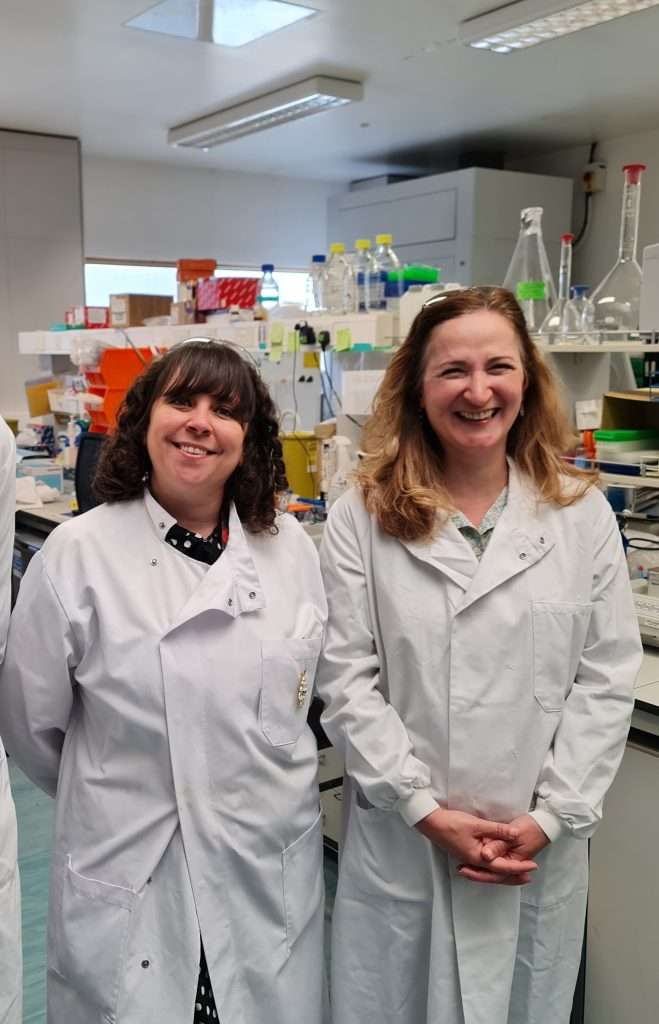
Professor Mirela Delibegovic and Dr Sarah Kamli-Salino at University of Aberdeen are developing human precision-cut kidney slices to investigate diabetic kidney disease. This approach offers a more clinically relevant alternative to traditional animal models and could help accelerate the development of effective new therapies.
Diabetic Kidney Disease: A Growing Global Health Challenge
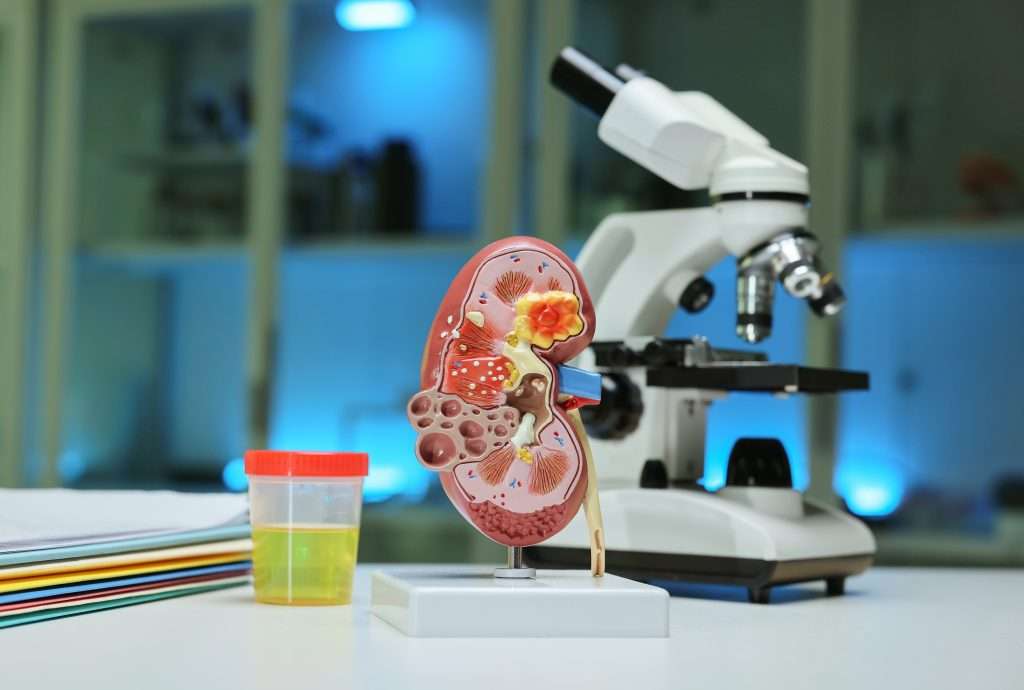
An estimated 537 million adults worldwide are living with diabetes, the leading cause of diabetic kidney disease (DKD). Around one in three people with diabetes will develop DKD, a progressive condition that damages the kidneys and can ultimately lead to irreversible kidney failure, leaving dialysis or transplantation as the only treatment options.
Although current therapies can slow disease progression, there is no cure for DKD, and they cannot prevent the onset of end-stage kidney disease. As kidney function declines, patients often experience additional complications such as anaemia, bone loss, and cardiovascular disease, significantly reducing quality of life.
With nearly 7,000 people in the UK awaiting a kidney transplant, many face years of uncertainty before receiving this life-saving treatment. These challenges underscore the urgent need for new therapies capable of halting or even reversing the progression of diabetic kidney disease.
Limitations of Current Research Methods
In the search for new treatments for diabetic kidney disease, potential therapies are typically tested using cell-based models and animal studies, both of which have notable limitations. Traditional cell culture experiments often examine only a single cell type in isolation, failing to capture the complexity of the kidney, which is composed of multiple interacting cell populations. Meanwhile, due to differences in anatomy and biology between humans and animals, results from animal experiments (often on rats, mice and mini-pigs) often fail to translate into successful human treatments.
With an urgent need for more effective treatments, these limitations highlight the importance of developing more representative and reliable research models that can better predict how new therapies will perform in patients.
A Precision-Cut Kidney Slice Model for Diabetic Kidney Disease Research
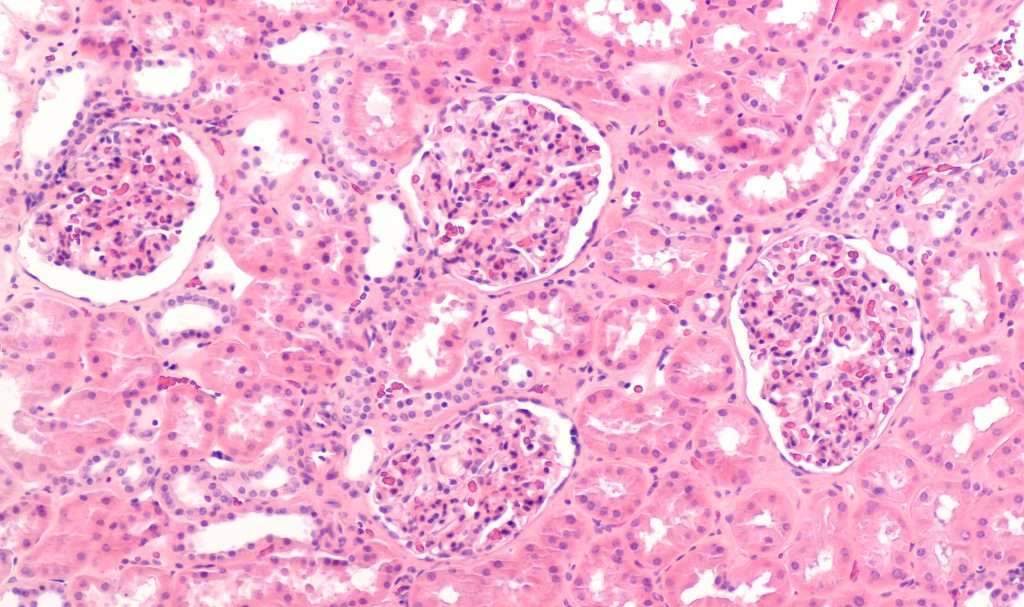
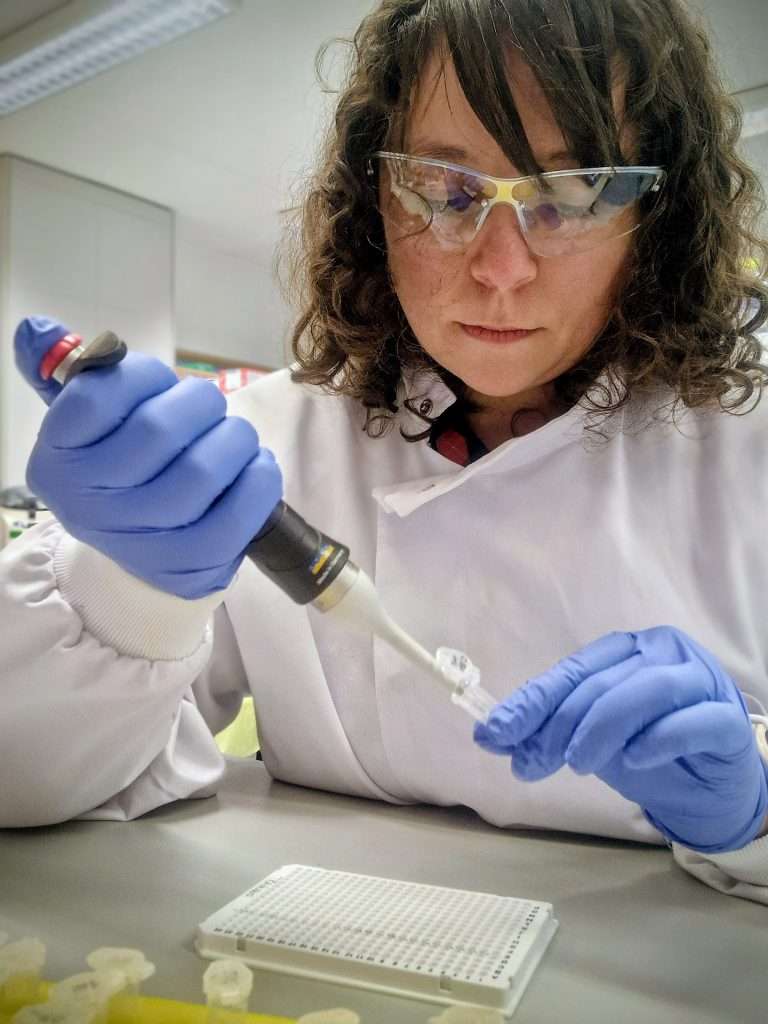
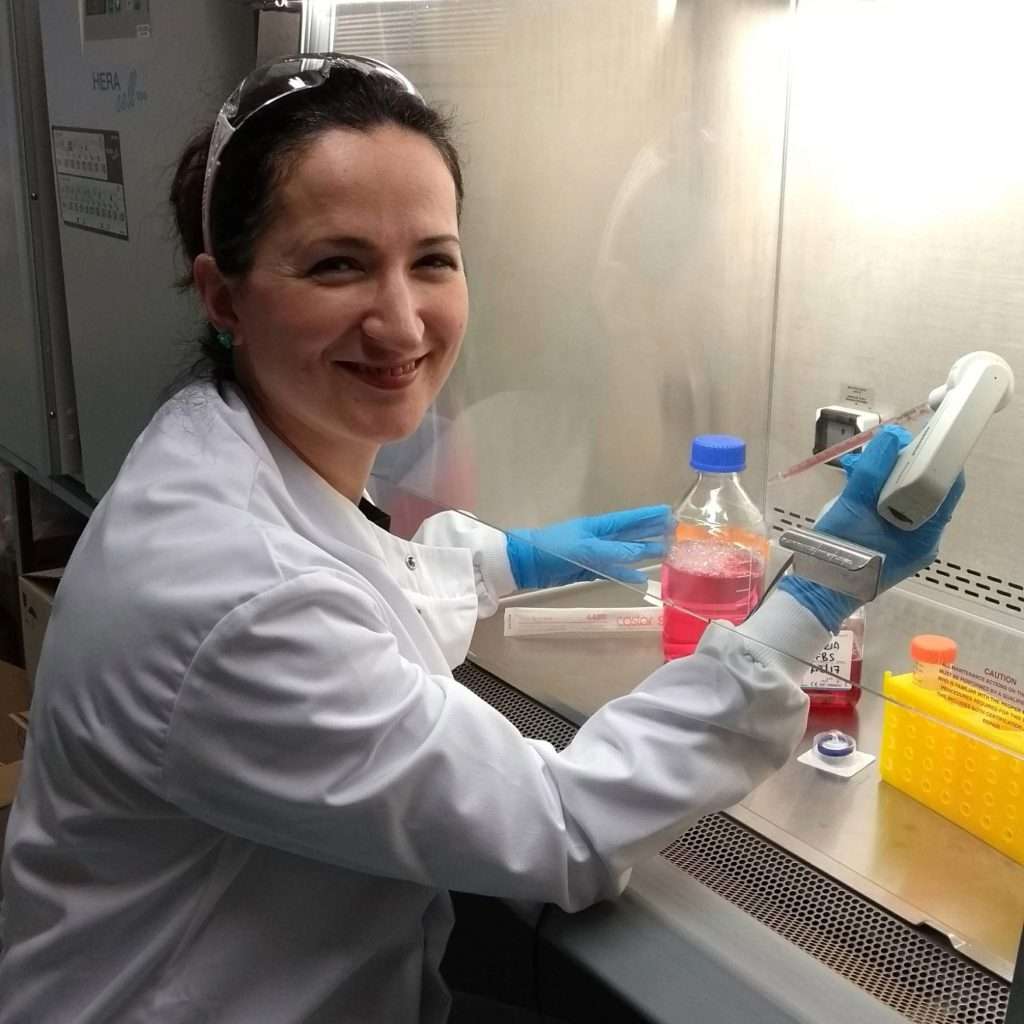
To address these challenges, Professor Delibegovic and Dr Kamli-Salino are developing an innovative model of diabetic kidney disease using precision-cut human kidney tissue slices. Each slice is approximately one-fortieth of a millimetre thick and is carefully prepared from human kidney biopsy samples to preserve the tissue’s complex cellular architecture.
Using tissue from both healthy kidneys and patients with diabetic kidney disease they will investigate the key genetic and protein markers involved in disease progression. This approach aims to provide new insights into the mechanisms driving DKD and help identify strategies to prevent or slow its progression.
Impact
The kidney tissue slice model will be to evaluate both existing therapies and potential new drug candidates for diabetic kidney disease. By comparing the results with real-world clinical data, the team hope to establish this model as a reliable, human-relevant, and animal-free platform for preclinical drug screening.
If successful, this approach could transform the early stages of drug development by reducing reliance on animal testing and improving the ability to predict treatment responses in patients. Ultimately, it has the potential to accelerate the discovery of new therapies for diabetic kidney disease.
Furthermore, funding from this grant has enabled the purchase of a hyperoxia incubator chamber, which is used to preserve and maintain the viability of the kidney tissue slices in the laboratory. This specialised equipment will be made available to other researchers, supporting wider adoption of human tissue-based models.
Quotes
Professor Mirela Delibegovic
University of Aberdeen
“When studying kidney disease in diabetes, there is no perfect model that can allow us to have an insight into what goes wrong and at which point kidney failure occurs. To be able to translate any potential new therapy, we need to first develop a model that is as close to human physiology as possible. The idea would be, if our technology works, to be able to use a small kidney biopsy from a patient, test different drugs (or combination of these) for that specific patient and assess which therapy would work best. This could move us to a precision medicine way of treatment for each individual.“

Dr Sarah Kamli-Salino
University of Aberdeen
“Transitioning to an animal-free drug screening platform will reduce the use of animals and animal-derived products while accelerating and improving the selection of new drug candidates to make it more relevant to human health. This will ultimately lead to better human health outcomes in a more ethical and sustainable way.”