
Advancing Human Tissue Explant Models: Eliminating Animal-Derived Components for Ethical and Reliable Breast Cancer Research
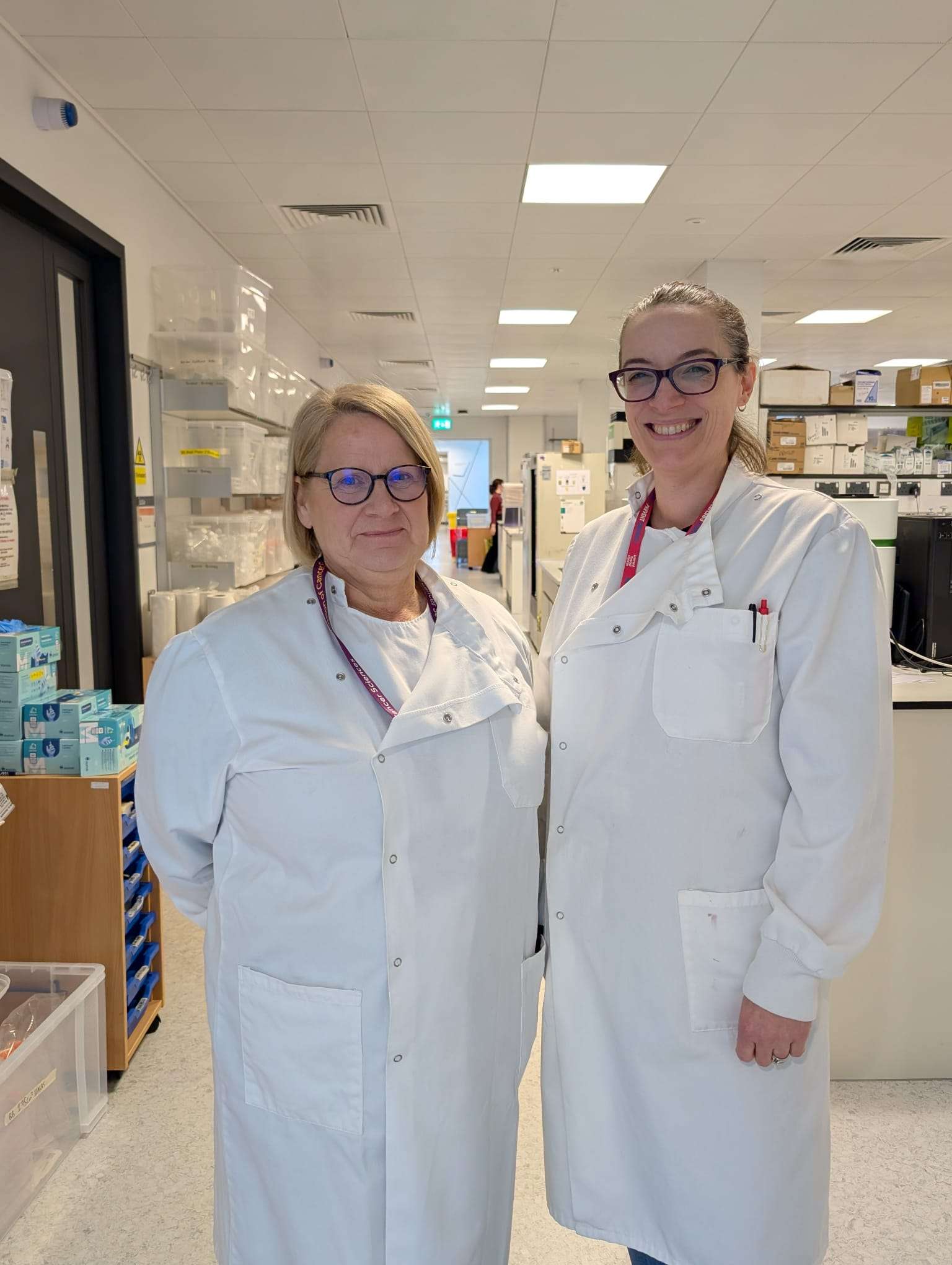
Dr Hannah Harrison at The University of Manchester has developed an explant model of healthy human breast tissue to investigate the mechanisms underlying cancer development and progression.
Working alongside primary scientist Dr Kath Spence, Dr Harrison now aims to replace the use of animal-derived cell culture additives in this model and transition to an animal-free immunohistochemistry (IHC) staining protocol for the proliferation marker Ki67.
Breast Cancer: A Continuing Healthcare Challenge
Breast cancer remains one of the most significant global health challenges, accounting for approximately 12.5% of all new cancer diagnoses worldwide. In the UK, around 55,000 women and 400 men are diagnosed each year, with an estimated 1 in 7 women developing the disease during their lifetime.
Advances in early detection and treatment have improved survival outcomes, with current 5-year survival rates reaching around 85%. However, breast cancer still causes more than 11,500 deaths annually in the UK, highlighting the continued need for research into its prevention, diagnosis, and treatment.
A Human Tissue Model for Breast Cancer Research
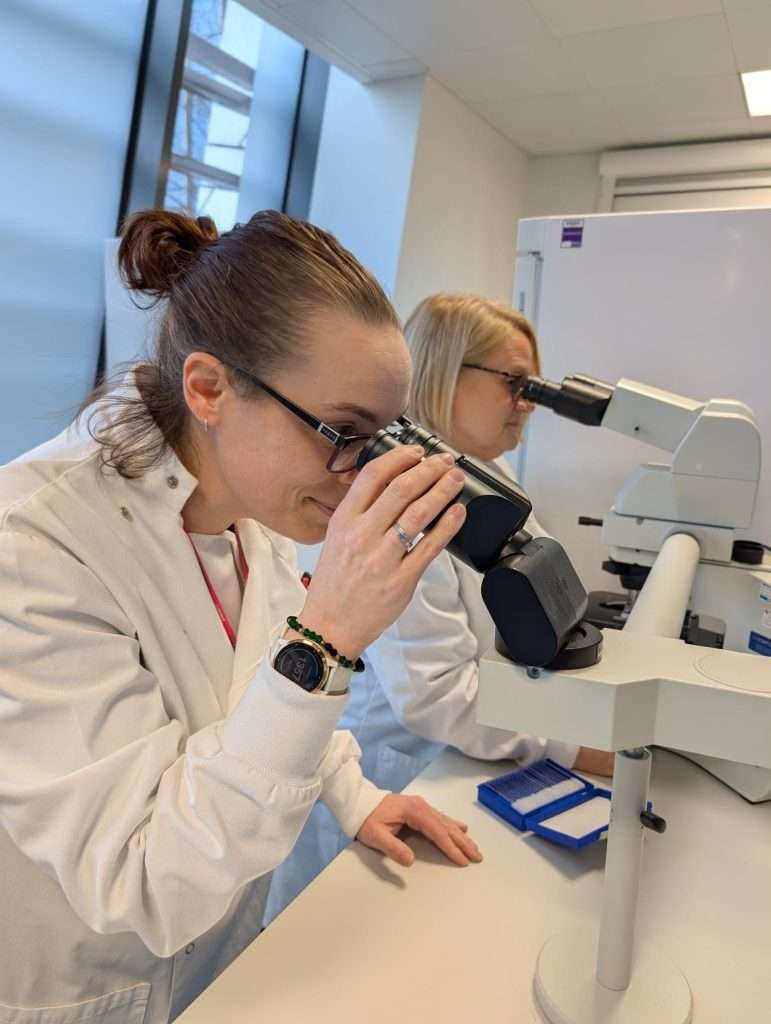
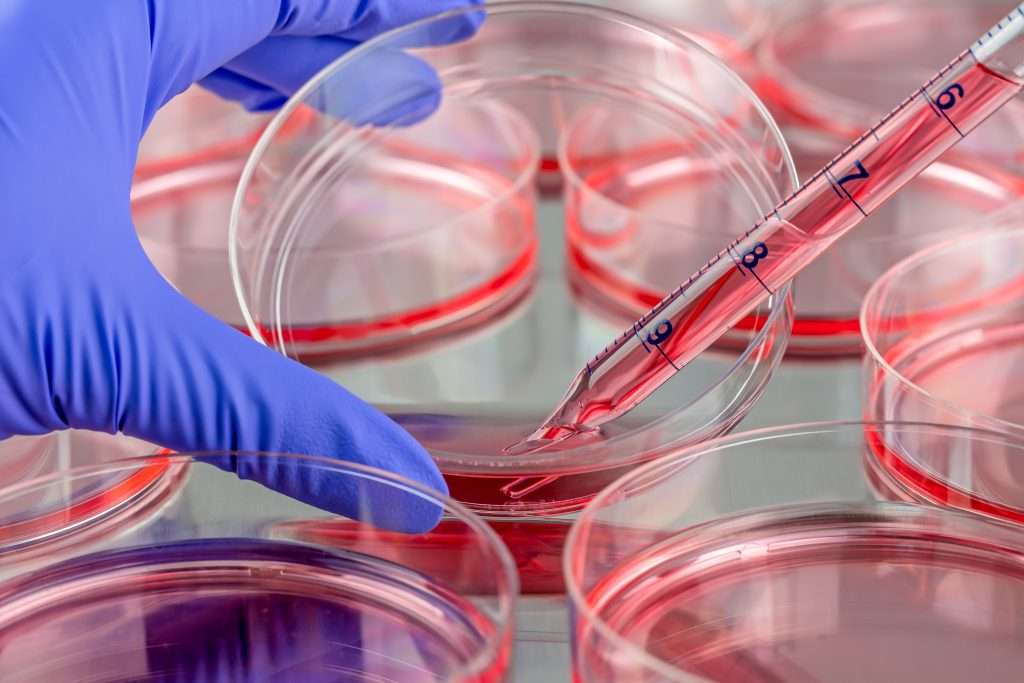
Dr Harrison’s breast cancer model is created using tissue donated by women undergoing risk-reduction surgeries. The tissue is grown in an animal-free gel that supports normal growth and hormone responses so it can be kept alive in the lab for up to seven days. Using this model, Dr Harrison can explore how breast tissue responds to cancer-triggering factors, such as hormones or chemical exposure, providing a powerful tool to study this disease in detail and test potential new treatments.
Transitioning Away from Using Animal-Derived Cell Culture Additives
A key objective of this project is to replace the widely used cell culture supplement B27, which contains animal-derived components such as bovine serum albumin, with a fully animal-free alternative. This transition will support the development of a completely animal-free breast cancer model.
Dr Harrison estimates that her laboratory currently uses up to 30 tubes of B27 annually for breast cancer cell culture. By removing this animal-derived component, the model is expected to provide a more scientifically relevant and ethical platform, improving human biological relevance while reducing animal use in research.
Switching to an Animal-Free Staining Protocol
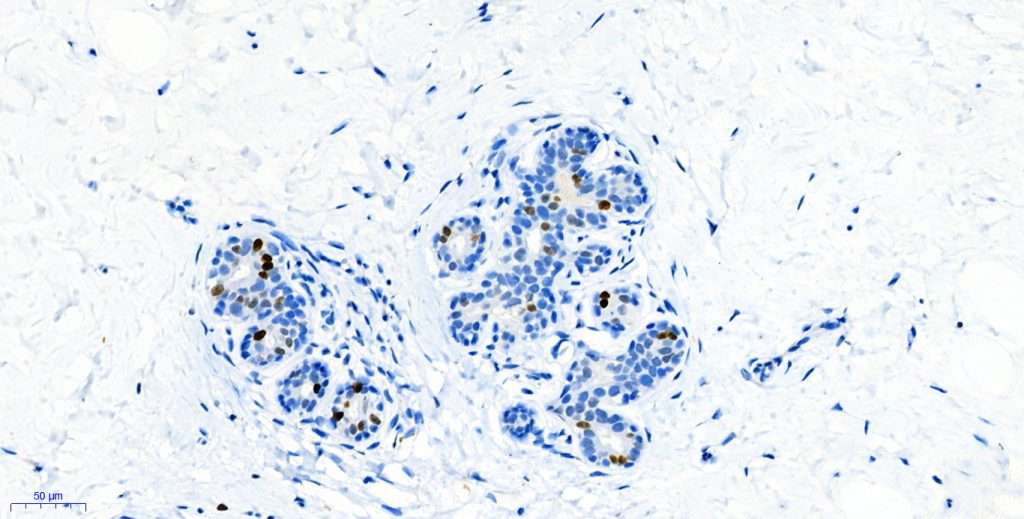
Ki67 is a widely used marker of cellular proliferation, with elevated expression frequently observed in cancer tissues, reflecting the increased rate of tumour cell growth and division.
Dr Harrison’s team currently uses a monoclonal antibody for (IHC) detection of Ki67. In this project, they will assess and validate a recombinant alternative to ensure comparable performance and reliability prior to adoption.
The team also aims to remove the requirement for a secondary animal-derived antibody step by directly conjugating the primary antibody to a fluorescent marker. This will enable direct visualisation under a microscope without additional reagents, further reducing reliance on animal-derived components in the workflow.
Quotes
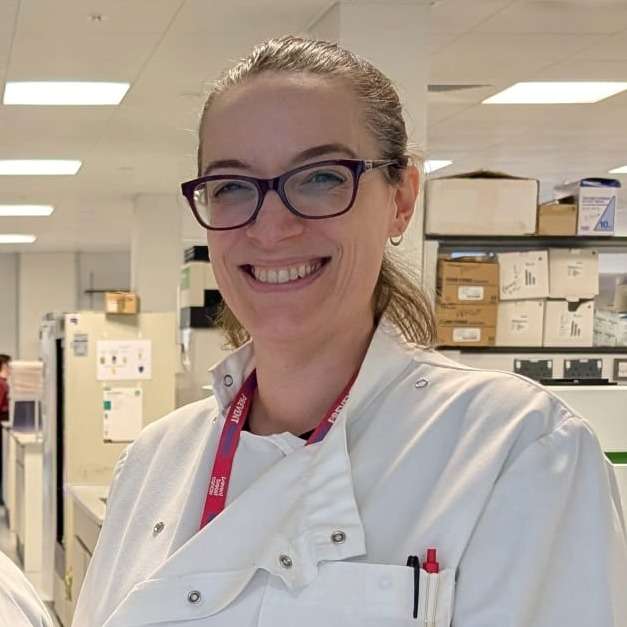
Dr Hannah Harrison
University of Manchester
“Using human tissue makes this research much more translatable. There are, however, some steps in the process which rely heavily on animal products. This research aims to assess whether we can change some of these – replacing our medium with a xeno-free alternative and using a non-animal derived antibody. If we can show these commonly used products are replaceable this would be a big step in moving our research towards animal free.”

Dr Ross Dobie
Centre for Human Specific Research
“Funding this research supports the development of robust, human-relevant breast cancer models that reduce reliance on animal-derived components without compromising scientific rigour. By enabling the validation and adoption of fully animal-free reagents and protocols, this work helps advance more reproducible, efficient, and ethically responsible approaches to understanding disease and improving patient outcomes.”