Virtual Events
Our virtual events bring together the people who make human-specific research possible, creating a space to share knowledge, spark new ideas, and build meaningful connections across the community.
Welcome to our Human Specific Research Community Virtual Events, where researchers and innovators come together to share ideas and breakthroughs shaping the future of biomedical science.
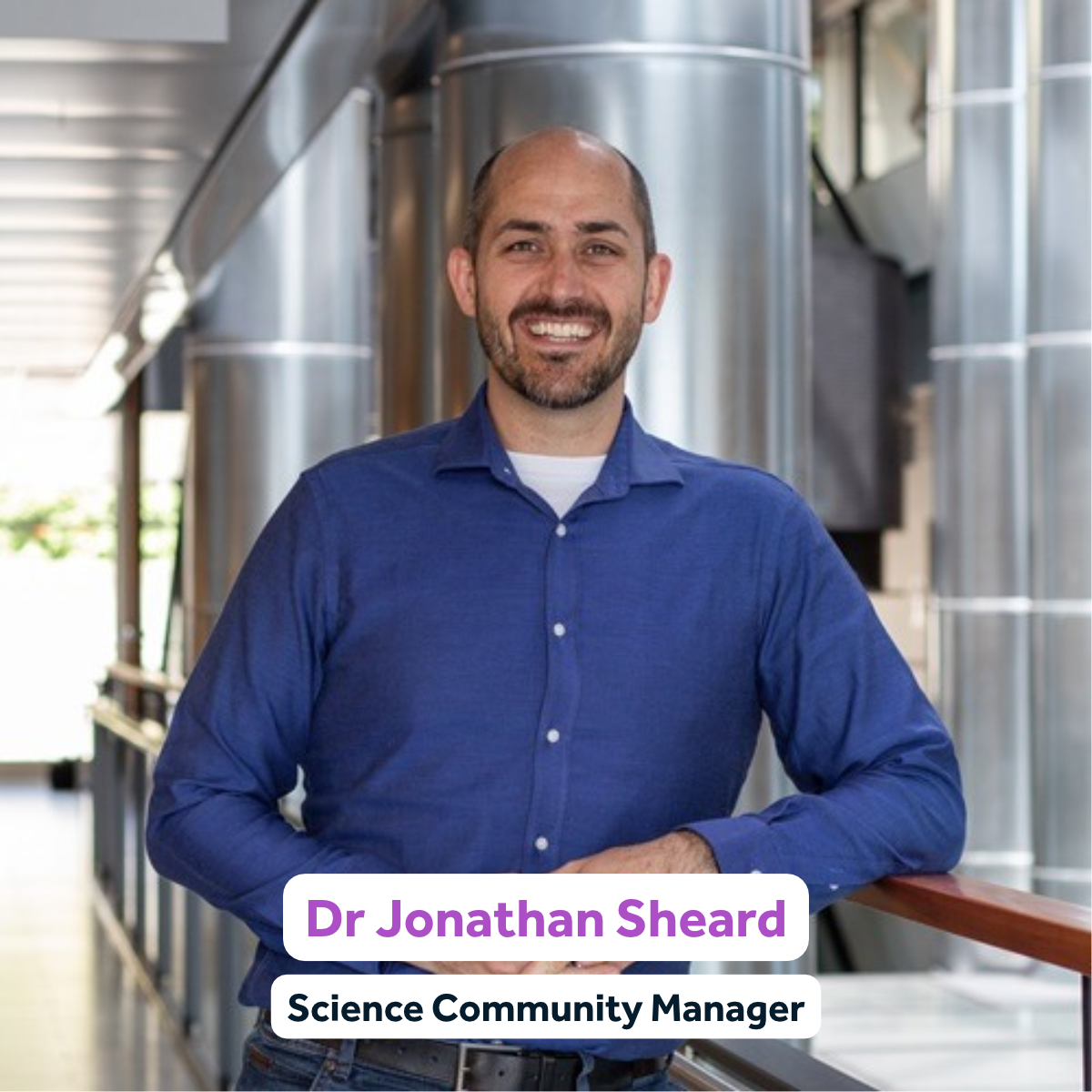
Hosted by Dr Jonathan Sheard, this series provides a platform for scientists who are advancing human-specific approaches to research. Through personal stories and practical experiences, our guests share their journey of moving away from animal models and animal-derived materials, offering valuable insights into the opportunities, challenges, and lessons learned along the way.
From pioneering technologies and innovative methodologies to the collaborations driving scientific progress, these events showcase the people and ideas at the forefront of human-specific research, helping to shape the future of science.
Register now to secure your free place at our upcoming virtual event below, or catch up on previous episodes which are all available to watch via the Forum.
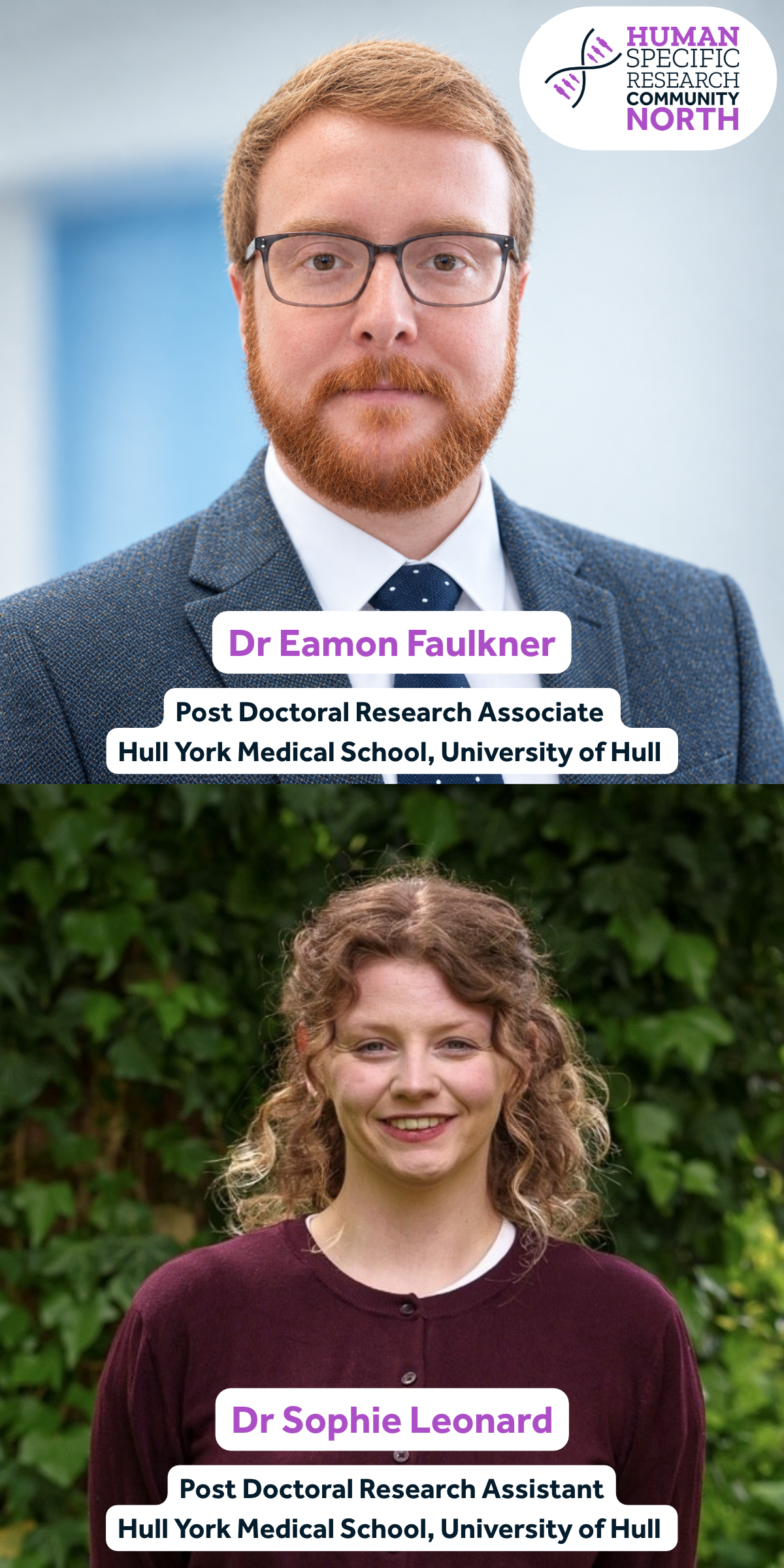
Coming Up Next: Dr Eamon Faulkner & Dr Sophie Leonard
Joining us next time, we’re delighted to welcome two members of our Human Specific Research Community North, Dr Eamon Faulkner and Dr Sophie Leonard from Hull York Medical School, University of Hull.
🗓️ Date: Tuesday 8 December 2026
🕜 Time: 14:00 – 15:00
💻 Location: Online
💵 Free to attend
During the session, Eamon and Sophie will present an introduction to ARTEMIS (ARTificial blood vessels for Thrombosis, Endothelial Modelling, and artificial Intelligence Simulation), an innovative human-specific blood vessel model for thrombosis research.
The team will explore how ARTEMIS uses bioengineering approaches to create 3D artificial blood vessels incorporating human vascular cells, providing a physiologically relevant platform to investigate vascular biology, endothelial function and thrombosis. By recreating key features of human blood vessels in the laboratory, ARTEMIS aims to improve our understanding of human disease, support the development and testing of new therapeutics, and contribute to the replacement of animal models in biomedical research. This session will showcase how interdisciplinary collaboration and innovative human-specific approaches can help shape the future of more predictive, animal-free research.
Through short presentations and an interactive discussion, attendees will have the opportunity to learn from real-world research experiences, ask questions, exchange ideas, and connect with others advancing human-specific science.
Be part of the conversation shaping the future of human-specific research. Register today to secure your place.
Catch Up On Previous Episodes Below
Episode 2: Dr Ian Holland
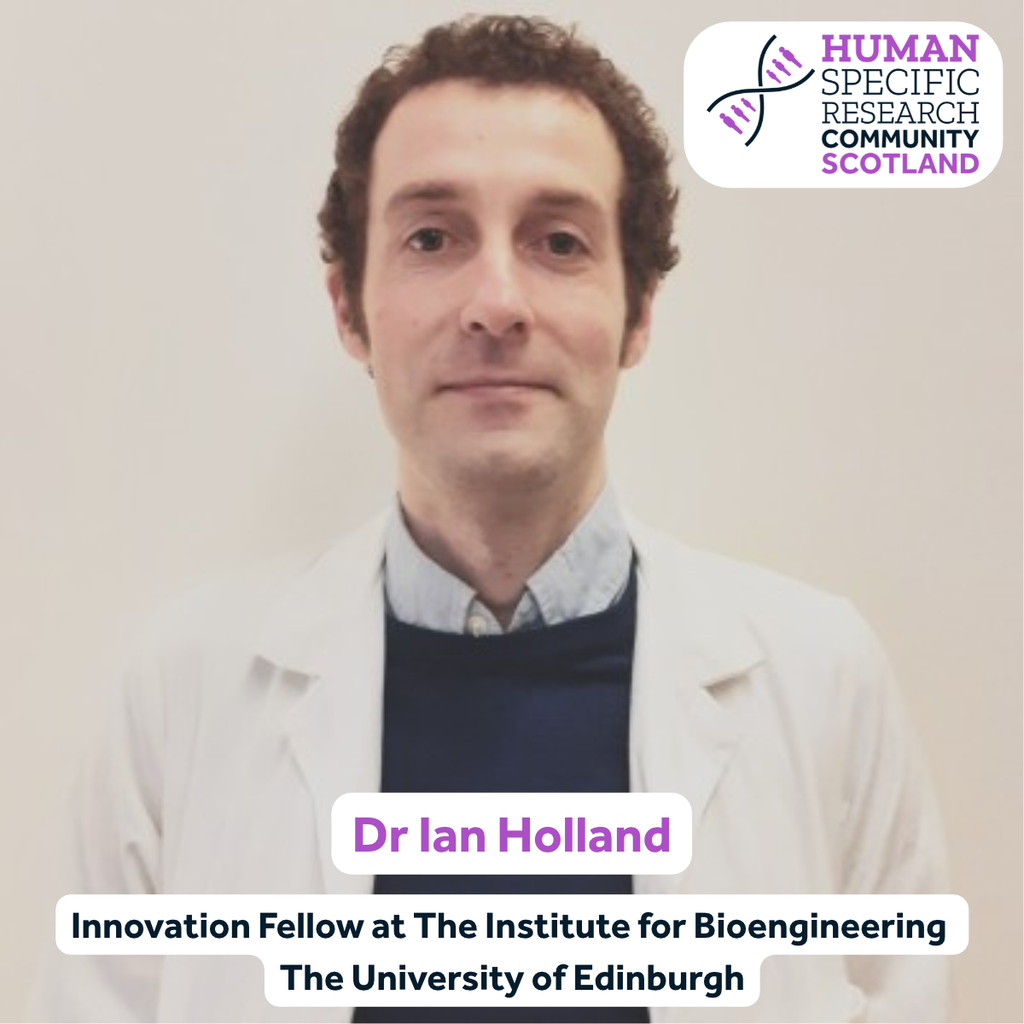
From our Human Specific Research Community Scotland, we were delighted to welcome Dr Ian Holland, Innovation Fellow at The Institute for Bioengineering, The University of Edinburgh. As the inventor of Rotational Internal Flow Layer Engineering (RIFLE), a pioneering technology that creates ultra-thin tubular layers of human cells to mimic blood vessels, Ian is passionate about developing innovative technologies for biofabricating human tissue.
Dr Ian Holland was generous with his insights, sharing the inspiration and story behind his pioneering RIFLE technology. The discussion explored how engineered vascular and tubular tissue models could advance disease research, accelerate drug discovery, and reduce reliance on animal testing, while highlighting the vital role of collaboration, innovation, and human-specific approaches in shaping the future of biomedical research. Catch up on the full episode, available to watch via the Forum.
Episode 1: Dr Hannah Donnelly
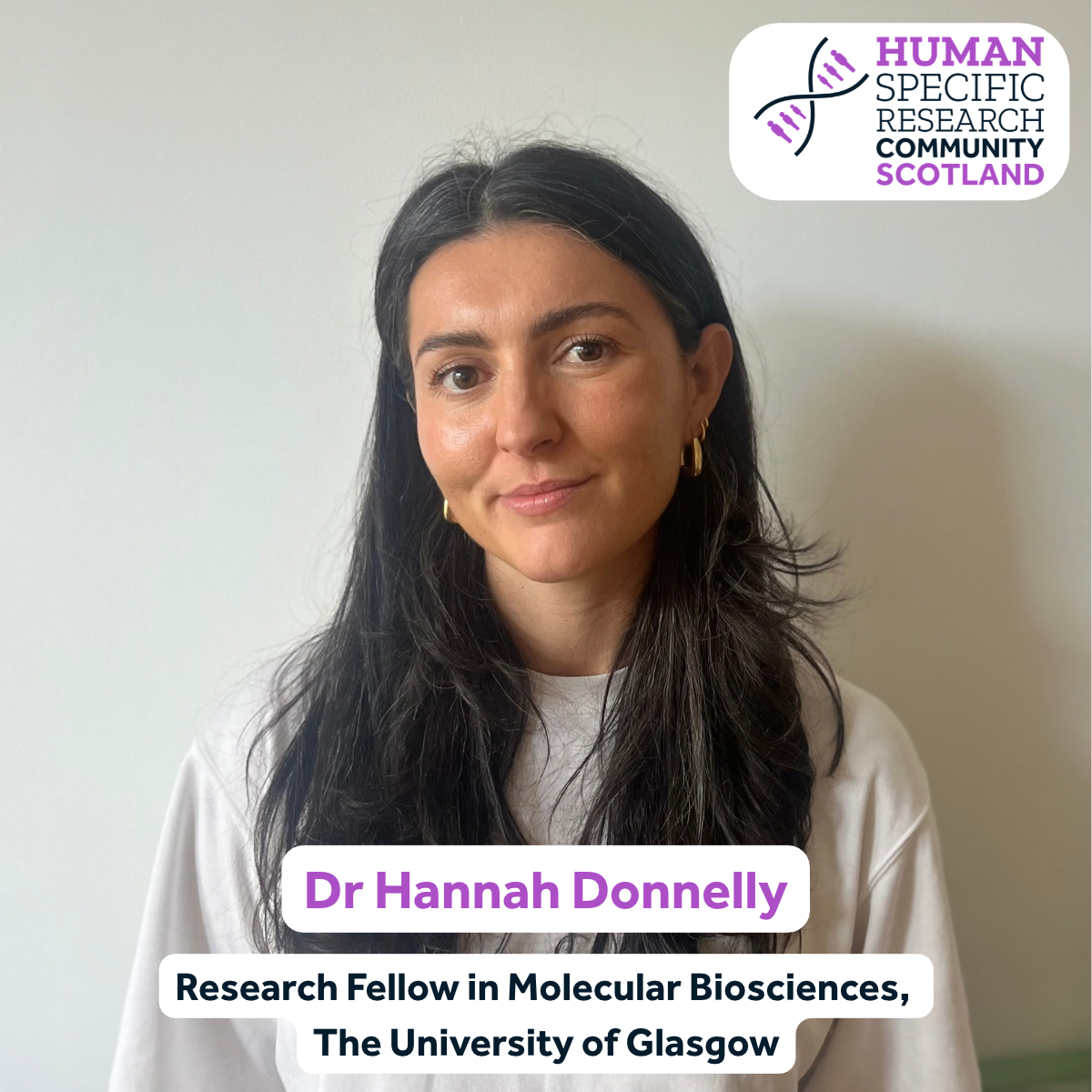
For our first event, we were delighted to welcome a member of our Human Specific Research Community Scotland, Dr Hannah Donnelly, Research Fellow in Molecular Biosciences at the University of Glasgow. Her work focuses on bioengineering human tissue models of immune-system organs, including bone marrow and lymph-node-like systems, as non-animal drug-testing platforms and tools to study health and disease.
Drawing on her experience at the forefront of human-specific research, Hannah shares valuable insights into developing innovative bone marrow and immune system models, navigating the path from discovery to impact, and the vital role collaboration plays in driving scientific progress. Catch up on the full episode, available to watch via the Forum.
“Thank you for offering such a great event to help make animal-free research more accessible.”

Attendee of Dr Hannah Donnelly Virtual Event