
An Evaluation of Naturally Occurring Plant-Based Sex Hormone Mimetics as Senotherapeutic Drug Candidates
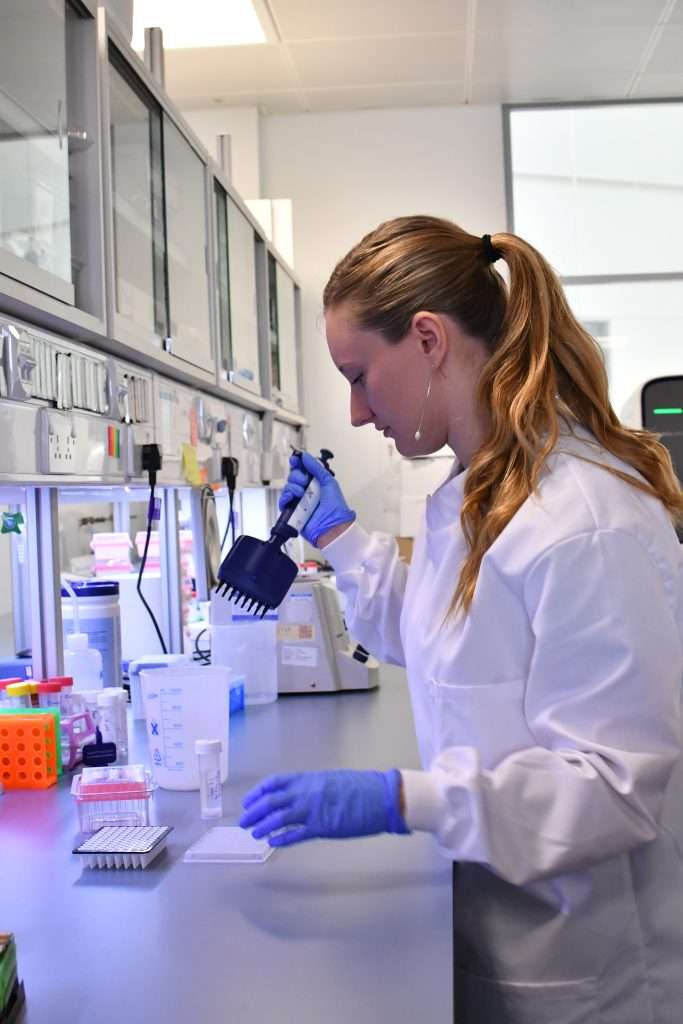
Professor Lorna Harries’s group use advanced human cell culture methods to study ageing and age-related diseases. With support from an ARC grant Professor Harries and Dr Laura Sinclair have been building on the early success of the Phyto Ageing Study – a first-in-kind clinical trial of plant-based hormone equivalents as potential treatments for age-related conditions affecting the hands, such as osteoarthritis and osteoporosis.
Deciphering the Role of Sex Hormones in Ageing
Advancing age is associated with joint degeneration and an increased risk of conditions such as osteoarthritis and osteoporosis. Cellular aging processes are modulated by diverse bioactive compounds that influence pathways governing senescence, inflammation, and tissue homeostasis, thereby affecting joint function. Plant-derived secondary metabolites (phytochemicals), widely available as dietary supplements, have been proposed to exert protective effects on joint tissues. However, it remains unclear whether phytochemicals differentially influence aging trajectories in males and females or modify sex-specific susceptibility to age-related diseases.
To investigate sex differences in biological aging, Professor Harries and Dr Sinclair are examining whether dietary supplementation with synthetic analogues of female sex hormones can attenuate cellular aging. Their work centres on cellular senescence, a state of irreversible cell-cycle arrest accompanied by functional decline, which is a fundamental driver of multiple age-associated pathologies, including osteoporosis, cardiovascular disease, dementia, and diabetes.
From Bench to Bedside
In vitro studies using human cell models completed by Dr Sinclair have demonstrated that specific hormonal exposures can reverse key molecular and cellular markers of ageing. Building on these findings, the group are currently interrogating large-scale epidemiological data from the UK Biobank to evaluate whether the use of synthetic female sex hormones, including those contained in combined oral contraceptives, is associated with a reduced incidence of age-related diseases. In parallel, they have been able to initiate a first-in-kind clinical trial investigating plant-derived hormone analogues as potential therapeutic interventions for age-associated musculoskeletal conditions of the hand.
The Phyto Ageing Study
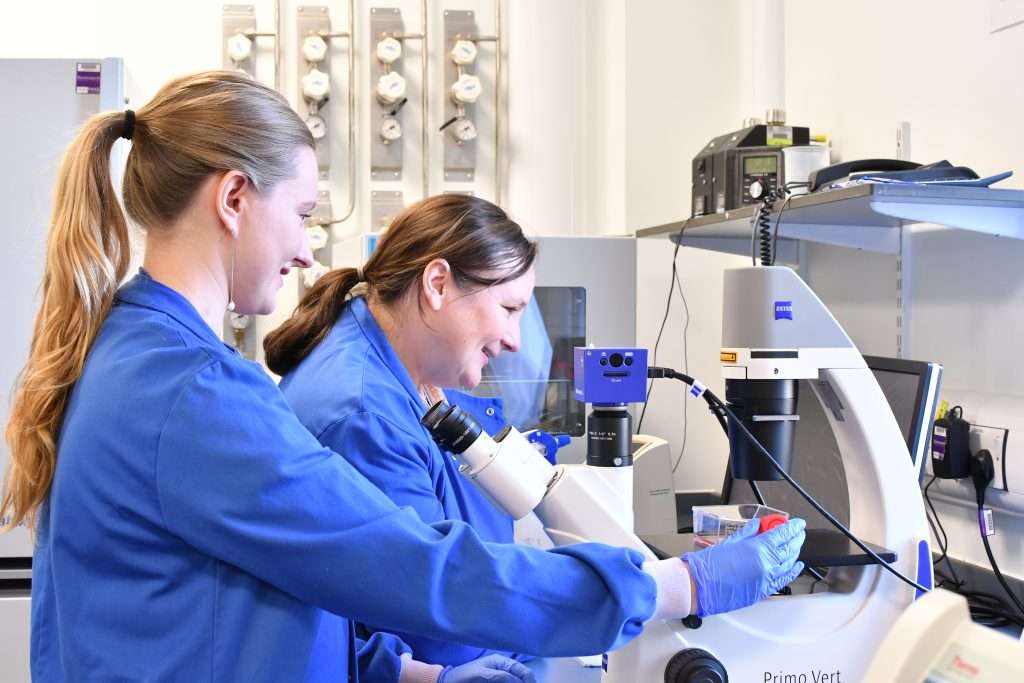
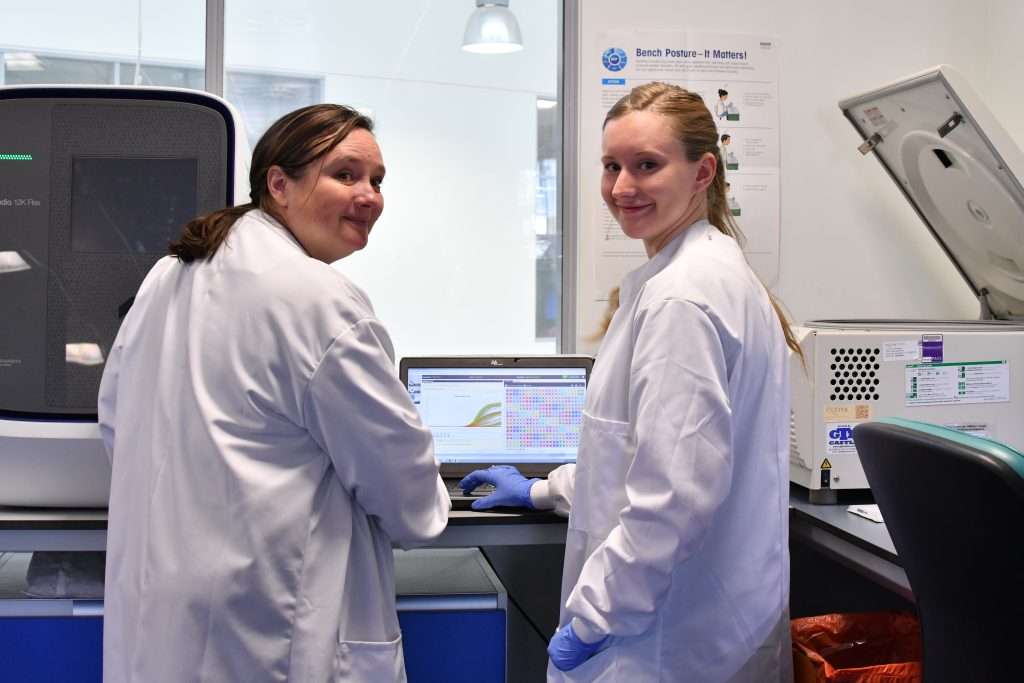
The Phyto Ageing Study is a clinical trial investigating the effects of the phytoestrogen genistein as a dietary supplement on age-related changes in the hands. Forty participants have been enrolled and received daily genistein supplementation for a period of three months. During the trial the team have collected comprehensive participant health profiles, detailed dietary assessments, circulating biomarkers of inflammation and bone / ageing status, ultrasound imaging of hand joints to assess inflammation and synovitis, and objective measurements of grip strength. Promisingly, preliminary early data following genistein supplementation look encouraging. The group are in the process of completing the final data analysis and a manuscript preparation is in progress.
The Impact
Should the beneficial effects of the Phyto Ageing Study be confirmed and replicated in subsequent validation studies, the findings are on track to inform the development of future therapeutic strategies aimed at preserving hand function in ageing populations. Beyond its clinical objectives, the group’s research is uncovering the biological mechanisms underpinning age-related changes in hand tissues. By integrating mechanistic insights with functional outcomes, the work aims to identify novel targets for intervention and clarify how complementary therapeutic approaches might be combined to mitigate functional decline in the ageing hand.
Quotes
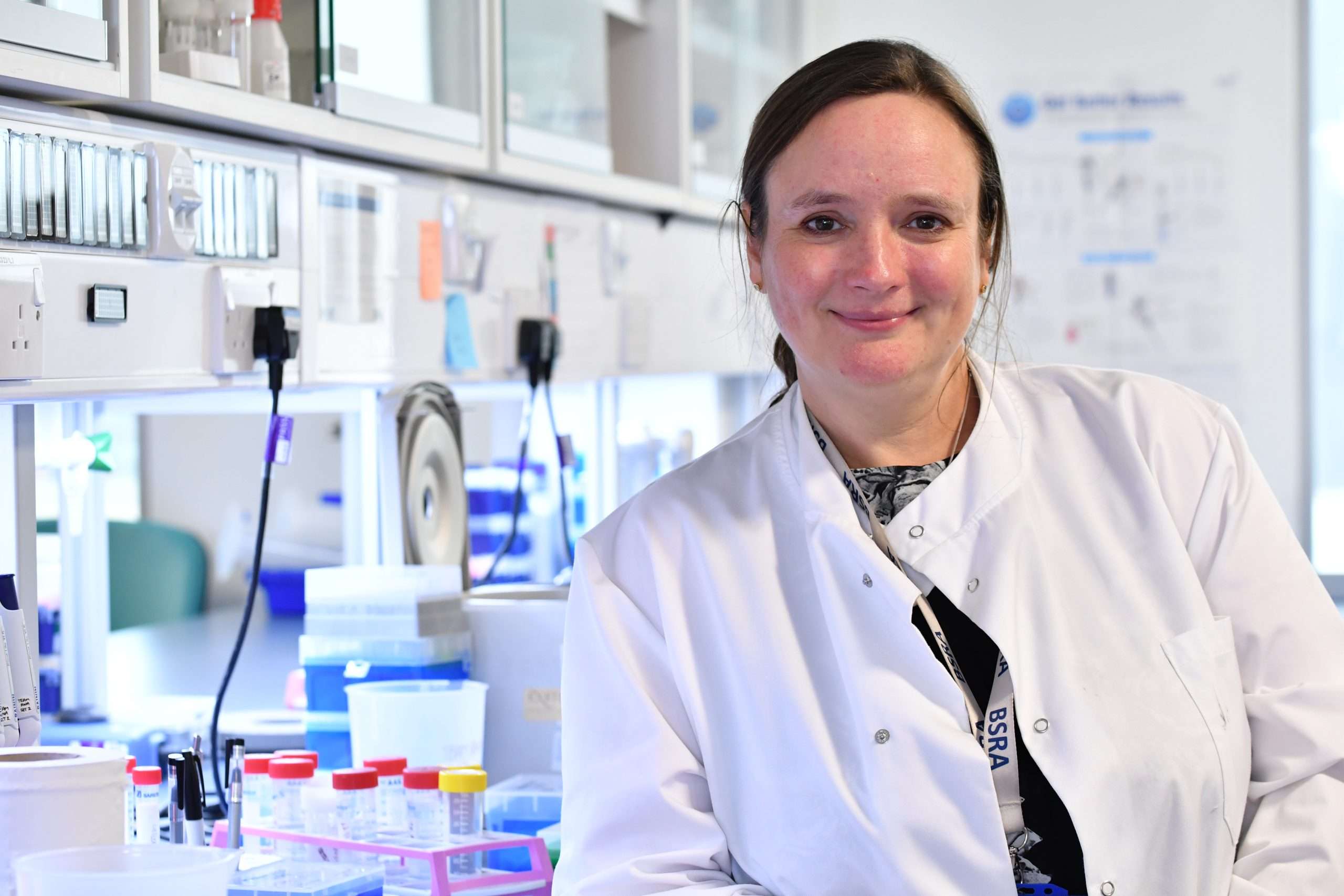
Prof Lorna Harries
Exeter ARC, University of Exeter
“It’s well known that men and women age differently. We have identified that some human hormones are capable of ‘turning back the ageing clock’ in human cells, but that these effects are different in male cells compared with female cells. At present, we still don’t know the molecular basis for sex differences in disease susceptibility and response to treatment. Our work may help us to unravel that.”

Dr Ross Dobie
Centre for Human Specific Research
“Research like the Phyto Ageing Study represents an important step toward improving quality of life for people living with age-related musculoskeletal conditions. By supporting innovative work led by researchers such as Professor Lorna Harries and Dr Laura Sinclair, we hope to accelerate the development of new treatments for human disease through the adoption of human-specific research.”