
Promoting and Implementing Human Centric Research Strategies
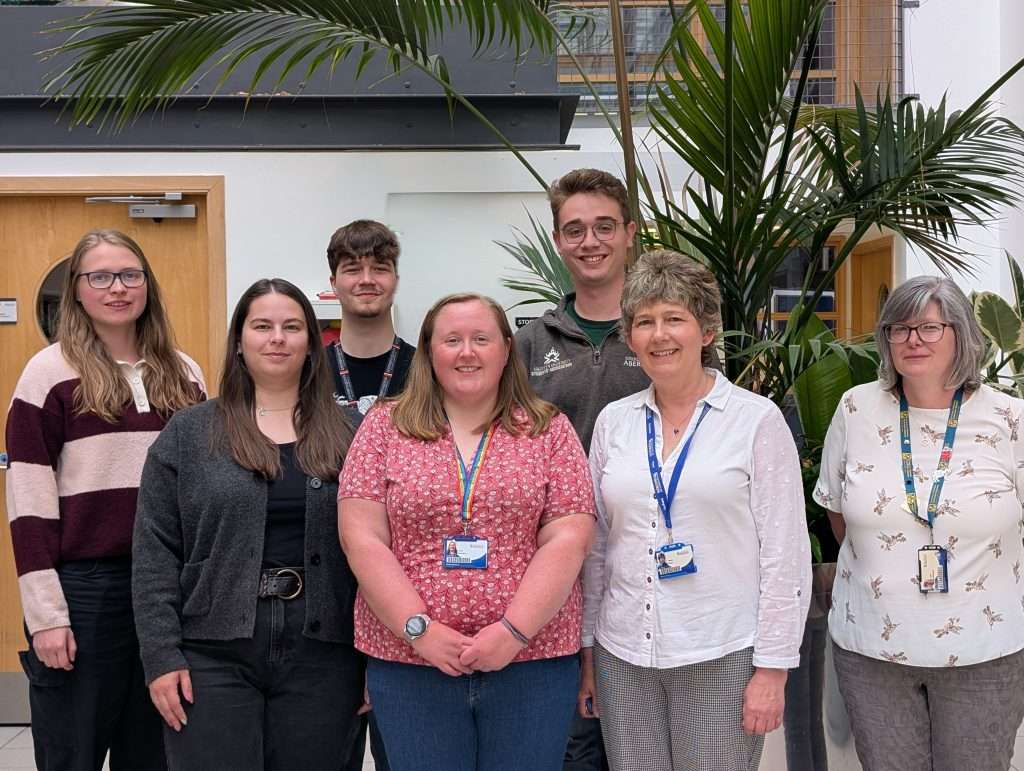
Professor Valerie Speirs’ group uses advanced human cell and tissue models to study breast cancer and the tumour microenvironment. With support from an ARC grant, the team are developing innovative human-specific approaches that aim to improve our understanding of breast cancer while reducing reliance on both animal experiments and animal-derived products.
Why Human-Specific Models Matter in Breast Cancer Research
Breast cancer remains one of the most common cancers worldwide, yet many laboratory models struggle to accurately reflect the complexity of human disease. Traditional approaches often rely on animal models or animal-derived products that do not fully reflect human biology.
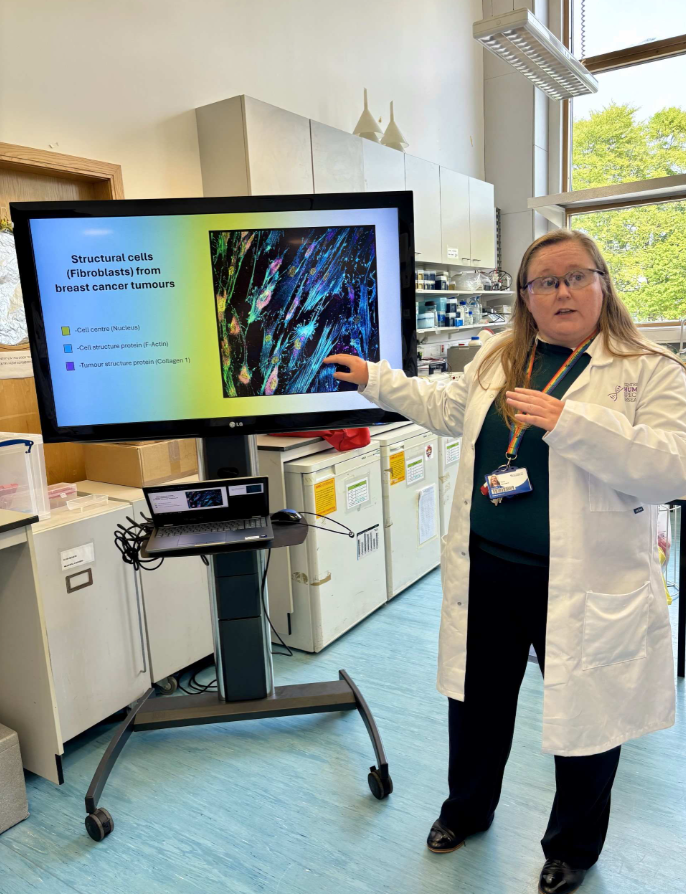
To address this challenge, Professor Speirs and colleagues are developing advanced laboratory systems and models using human cells and tissues. By recreating key aspects of the human breast tumour microenvironment, these models provide a more clinically relevant platform for investigating how breast cancer develops, progresses, and responds to potential treatments.
Building the Next Generation of Human-Specific Breast Cancer Models
The Aberdeen ARC brings together expertise in cancer biology, tissue engineering, stem cell science, and advanced imaging to create sophisticated breast cancer models based entirely on human cells and tissue. These approaches are designed to generate insights that are more directly applicable to patients.
In parallel, Professor Speirs is committed to supporting the next generation of scientists working in human-specific research. The ARC will provide opportunities for early and mid-career researchers to gain experience with modern, animal-free methodologies and build careers focused on innovative approaches to biomedical research.
Replacing Animal-Derived Products in Cell Culture
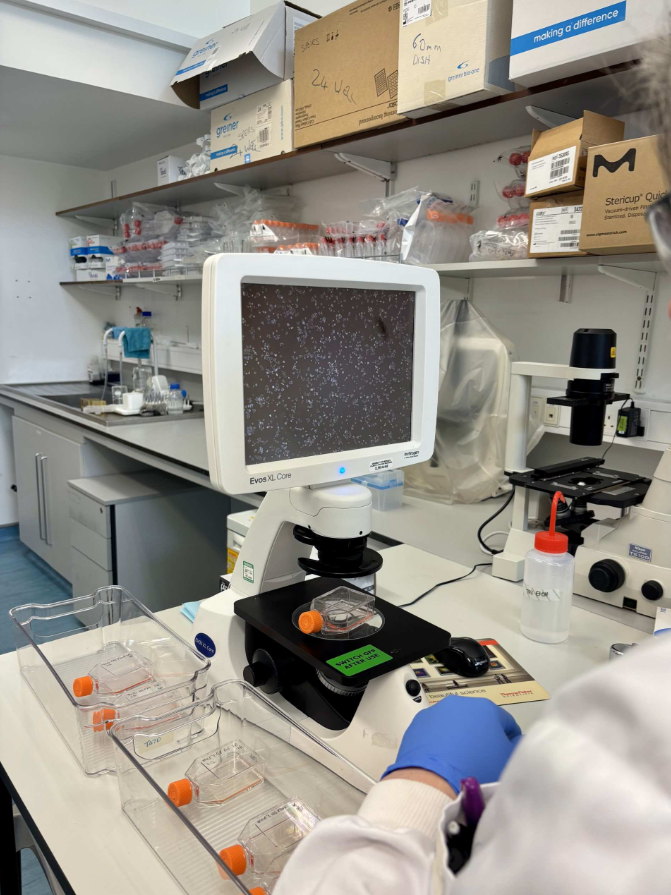
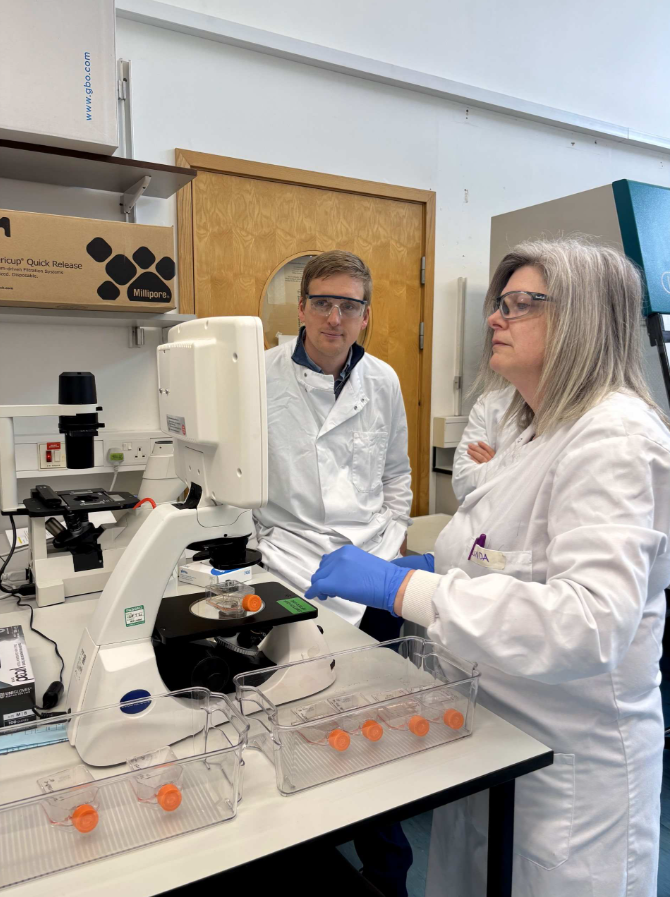
A key area of research within the Aberdeen ARC is led by Dr Fiona Saunders, who is investigating alternatives to foetal calf serum (FCS), a commonly used animal-derived supplement in cell culture. FCS helps support cell growth in laboratory experiments. It is derived from the blood of unborn calves after pregnant cows are slaughtered for the meat industry and presents both scientific and ethical challenges.
Dr Saunders’ work focuses on identifying and validating human-relevant replacements for FCS that can support the growth and maintenance of breast cancer cell lines. Successfully replacing this widely used reagent would represent an important step towards more consistent, reproducible, and animal-free research practices.
Creating Lasting Impact Through Human-Specific Research
The Aberdeen ARC is committed to accelerating the transition towards more human-relevant biomedical research by developing reliable human-focused approaches and supporting their wider adoption. Through collaboration, training, and the sharing of findings, the team aims to build research capacity, reduce reliance on animals, and generate insights with greater potential to improve patient outcomes.
Quotes
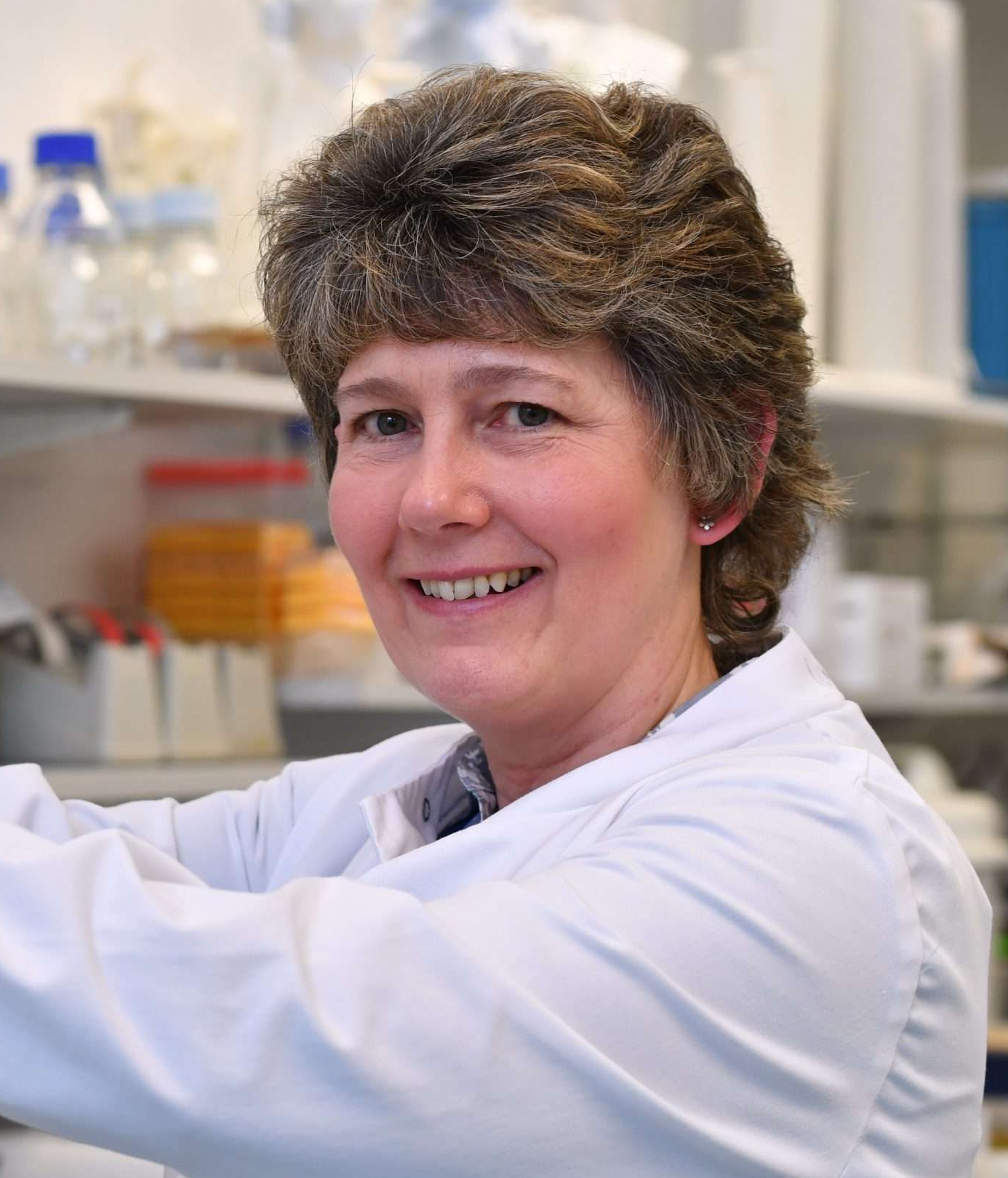
Prof Valerie Speirs
Aberdeen ARC, University of Aberdeen
“I want to continue developing animal-free models for breast cancer and to pass this knowledge onto the next generation so that one day this will be the norm rather then the exception.”
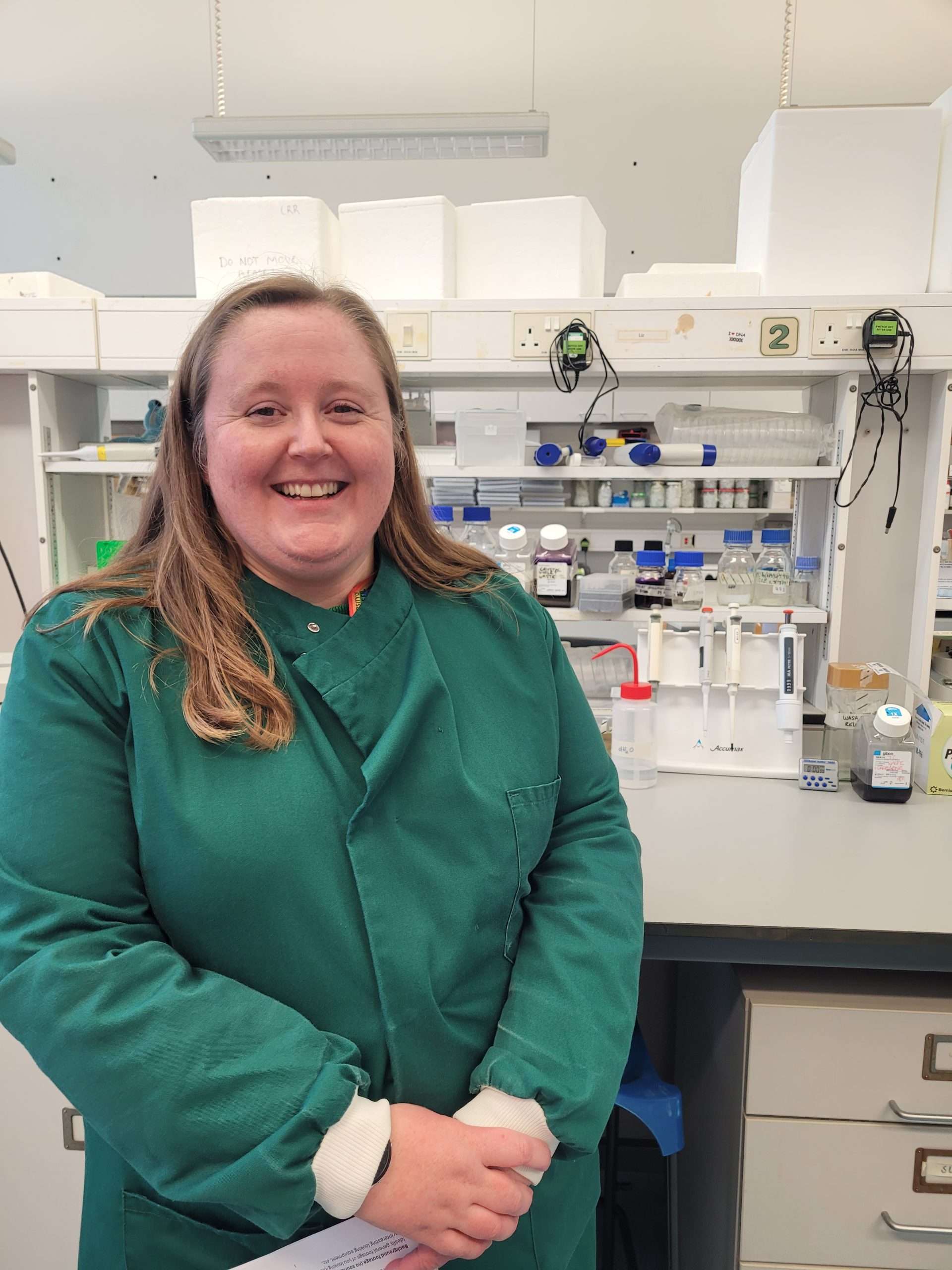
Dr Fiona Saunders
Aberdeen ARC, University of Aberdeen
“It is important to try and develop better systems for our experiments that remove animal products as far as possible and make them more relevant to human research. This makes them more ethically sound and sustainable.”