
Humanised, Animal-Free Prostate Cancer Model for Predictive Drug Screening
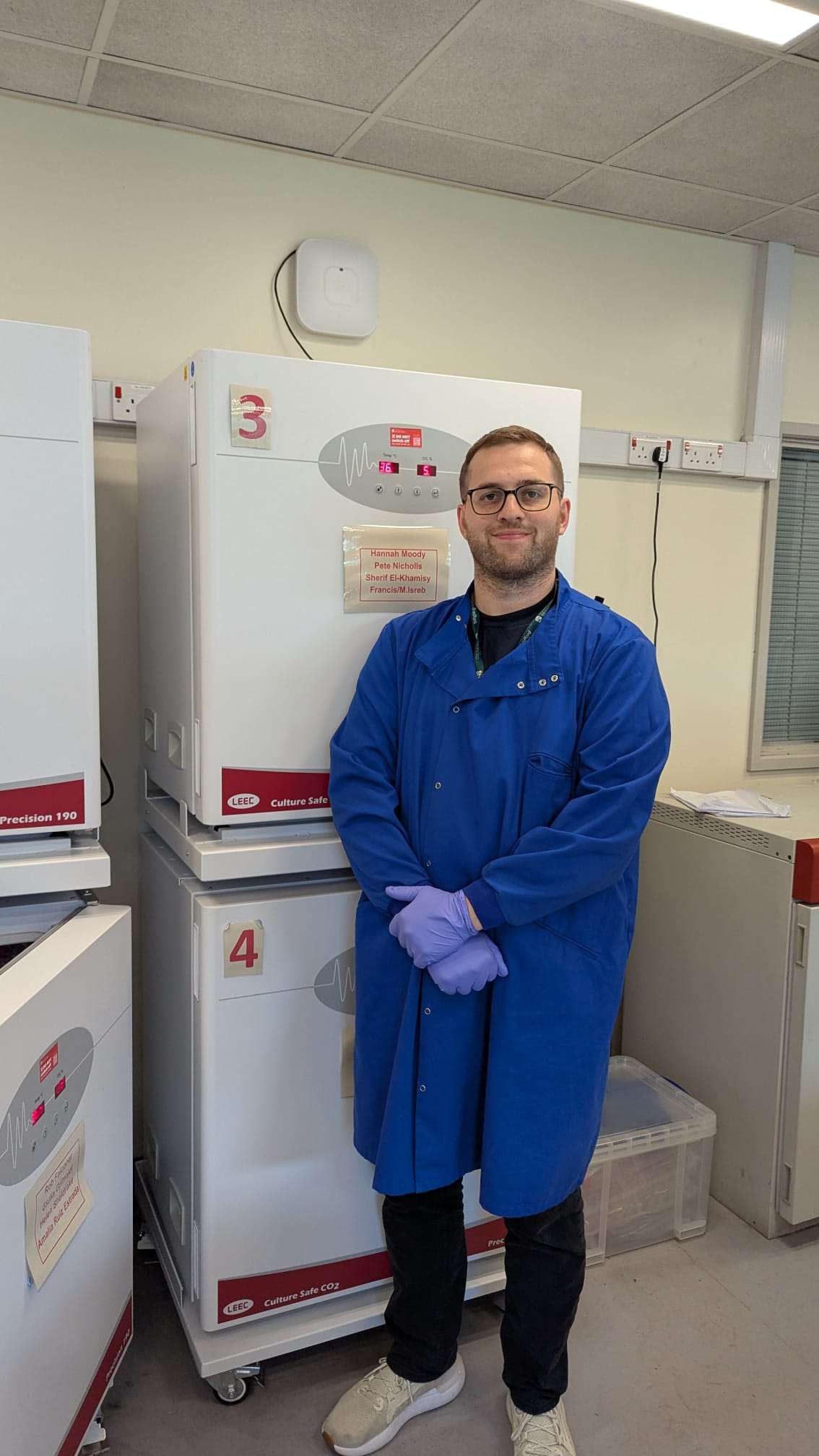
Dr Ethan Perkins is developing a fully humanised, animal-free prostate cancer model to improve the predictive power of early-stage drug screening and replace animals. This 3D microphysiological system incorporates human endothelial cells, fibroblasts, and cancer cells, with the option to include patient-derived cells, to better replicate tumour biology and therapeutic response.
The model replaces common animal-derived reagents such as foetal bovine serum, trypsin, and collagen with validated, animal-free alternatives. Side-by-side comparisons will benchmark their performance, helping to drive broader adoption of ethical research practices.
Validated using standard and novel chemotherapies, the model supports personalised treatment strategies and could be adapted for other cancers or multi-organ systems. By enhancing clinical relevance and reducing animal use, this platform advances ethical, effective cancer research and drug development.
The Problem
Prostate cancer is one of the most commonly diagnosed cancers worldwide, with 1,467,854 new cases in 2022. While androgen receptor (AR)-targeted therapies can be effective for low-risk prostate cancer (PCa), high-risk cases frequently progress to castration-resistant prostate cancer (CRPC), which requires chemotherapy agents like taxanes. These treatments are associated with significant side effects and variable efficacy, underscoring the urgent need for more targeted therapies and predictive preclinical models. Current preclinical evaluation relies heavily on animal models, which face translational limitations due to species-specific differences in immune function, tumour microenvironments, and drug metabolism. These limitations hinder the development of effective, patient-specific treatments.
The Solution
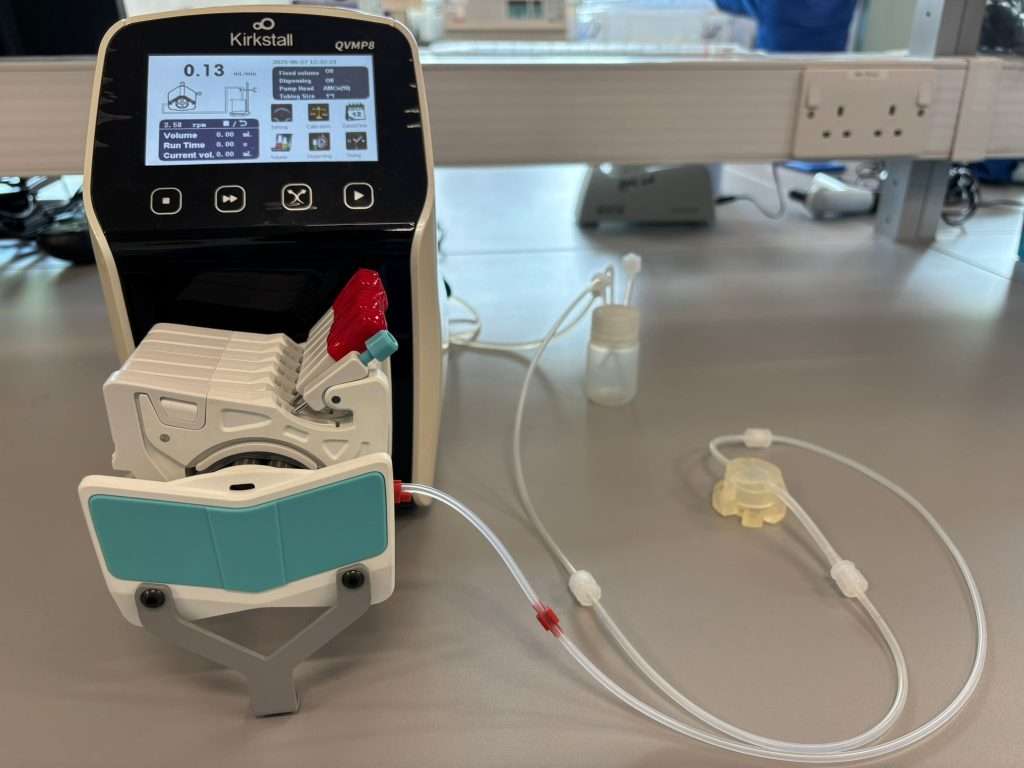
Dr Ethan Perkins at the University of Bradford, is developing a fully humanised, animal-free microphysiological system that incorporates multiple human cell types, including endothelial cells, fibroblasts, and prostate cancer cells, with the flexibility to integrate patient-derived material. This advanced 3D model more accurately mimics human tumour biology and responses to treatment, supporting more predictive early-stage drug screening and reducing reliance on animal models and animal-derived reagents.
A key innovation of this work is the replacement of commonly used animal-derived products such as foetal calf serum (FCS), trypsin, collagen, and gelatine. Dr Perkins will conduct direct side-by-side comparisons of these traditional reagents and their animal-free counterparts, evaluating performance across parameters such as cell growth, morphology, and function in both 2D and 3D co-culture systems.
The model’s physiological relevance will be confirmed using gene and protein expression profiling. It will be validated with standard chemotherapies (e.g., Docetaxel, Cabazitaxel) by comparing therapeutic responses to existing ex vivo and in vivo datasets. Additionally, novel in-house therapeutics will be tested to demonstrate the platform’s suitability for drug discovery. To ensure feasibility and scalability, the project uses established platforms such as AIM Biotech’s OrganiX and IdenTx, both previously validated in tumour-on-a-chip applications.
Impact and Future Outlook
This project aims to deliver a validated, human-relevant, animal-free prostate cancer model suitable for drug discovery and therapeutic screening. By supporting evaluation of novel targeted treatments, the model has the potential to reduce reliance on toxic chemotherapies and improve patient outcomes through safer, more effective screening.
Its compatibility with patient-derived cells could enable personalised therapeutic evaluation, including the identification of treatment resistance and potential side effects, paving the way for precision medicine in prostate cancer care.
Dr Perkins also aims for the platform to be adaptable to other cancer types or multi-organ systems, enabling broader toxicological screening and higher-throughput drug evaluation at lower cost. The inclusion of off-target human tissues will further enhance its utility in assessing adverse effects, making it a powerful tool for comprehensive safety testing.
Crucially, the project’s side-by-side comparison of animal-derived and animal-free reagents will generate robust data to support the wider adoption of ethical, animal-free methods across biomedical research. These findings could help influence regulatory guidance and promote best practices in cell culture and therapeutic development. Validated protocols and data will be shared through publications, conference presentations, and outreach activities to accelerate the scientific transition to animal-free systems.
This innovative research represents a vital step toward more clinically relevant, sustainable, and humane cancer research.
Quotes
Dr Ethan Perkins
University of Bradford
“I’m proud that this project will help set a precedent for animal-free research in the North of England and beyond. It’s an exciting time to be working at the intersection of cancer biology, ethics, and innovation.”

Dr Stephanie Modi
Centre for Human Specific Research
“This project exemplifies the future of biomedical innovation: human-specific, animal-free, and clinically relevant. By supporting the development of advanced prostate cancer models grounded in human biology, we are helping to accelerate safer, more effective treatments.”