

On April 24, 2023, experts from industry, academia, and prominent NGOs gathered at the Royal Society in London for a workshop entitled “Drug-Induced Liver Injury (DILI): Can Human-Focused Testing Improve Clinical Translation?” Among the attendees were Dr. Stephanie Modi from the Centre for Human Specific Research.
Fostering Collaboration for Human-Focused Drug Testing
Recognising the need for collaboration, the workshop, which was hosted by Animal Free Research UK and sponsored by the Alliance for Human Relevant Science, aimed to bring together different stakeholders focused on advancing human-specific research. The event addressed key challenges in drug safety testing and advocated for updated regulatory guidelines.
Drug Induced Liver Injury the Primary Focus
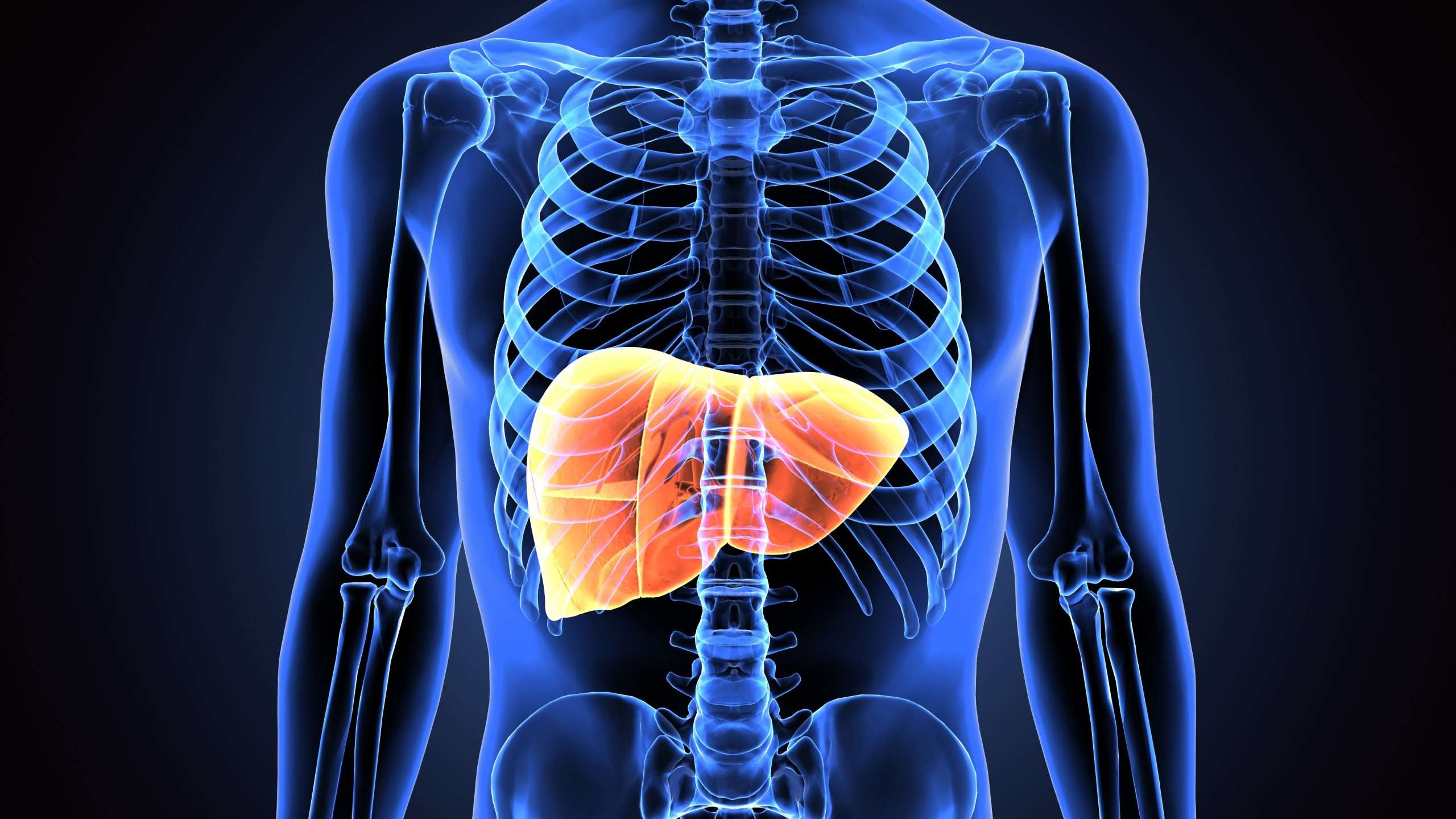
Drug-induced liver injury (DILI) is a potentially life-threatening adverse reaction to medications and other chemicals. It is a leading cause of drug approval failures and market withdrawals. One notable example is the antidiabetic drug troglitazone, which was pulled from the U.S. market in 2000 after being linked to at least 89 cases of acute liver failure, 78 of which resulted in death or required liver transplant. Furthermore, the development of biological drugs, such as antibodies, cell therapies, and gene therapies, is increasing. Given that these innovative drug modalities are generally highly specific for human genetic and protein sequences, a more human-focused approach to safety assessment is needed.
Limitations of Current Approaches
Current preclinical testing methods, including 2D cell-based models and animal testing, frequently fail to predict DILI accurately. Animal models are limited by significant species differences in metabolism and adaptive immunity, while conventional 2D in vitro models lack the metabolic functionality and complexity required to mimic human liver responses. These limitations result in costly failures during clinical trials and post-market drug withdrawals, compromising patient safety.
Breakthroughs in Liver-On-Chip Technology
Advancements in human-focused, complex in vitro models (CIVM) are transforming drug safety testing. A ground-breaking study published in late 2022 demonstrated that a Liver-on-Chip model (a type of CIVM) engineered from human cells outperformed traditional animal tests in predicting DILI. The model achieved 87% sensitivity and 100% specificity, even successfully identifying the toxicity of troglitazone, a drug withdrawn from the market due to liver failure risks. This landmark research underscores the effectiveness of human-based approaches and strengthens the growing consensus that the current drug development model is flawed, highlighting the urgent need to prioritise the development of human-focused testing methods.
New Paper Proposes Pathways for Change
Following discussions from the workshop, participants have published a comprehensive article examining the current landscape of complex in vitro models (CIVMs). The paper outlines key economic, regulatory, and scientific recommendations aimed at overcoming barriers and encouraging broader adoption of CIVMs within the pharmaceutical industry.
Key recommendations include:
- Strengthening partnerships between hospitals and biobanks to enhance access to high-quality human tissue and immune cells
- Introducing government financial incentives for companies and contract testing facilities to encourage the use of non-animal methods
- Increasing throughput and reducing costs of CIVMs to improve scalability
- Fostering greater collaboration between regulatory agencies, the pharmaceutical industry, and academia to align on reference drugs, characterisation requirements, predictivity, reproducibility, and the development of robust testing guidelines
- Advancing research into critical aspects of CIVMs, including mechanisms of action, cell and tissue dynamics, exposure duration, biomarkers, and additional endpoints such as cardiotoxicity, to refine models and better replicate the in vivo environment.
“The paper shows that the arguments for replacing animals in the study of human liver disease are growing in strength. It is not just that the latest in vitro models are more accurate than animal tests but that it makes economic sense to replace the costly use of animals.”
– Dr J Malcolm Wilkinson, Visiting Professor in Biomedical Engineering, University of Sheffield and Founder Director of Kirkstall Ltd
With mounting evidence of the advanced physiological relevance and predictive power of CIVMs, the paper calls for their serious consideration as part of the standard drug testing paradigm. Now is the time to embrace these innovative models to improve drug safety, protect patients, and foster scientific and regulatory advancements.