

A new era in biomedical research is taking shape as the scientific community increasingly shifts towards human-specific research. Central to this transformation are the individuals and groups actively pursuing the development and adoption of more effective and ethical human-focused approaches. To gain a better understanding of what it takes to make this shift, the Centre for Human Specific Research is asking leading experts to share their story.
In this article, Dr Kate Cameron, Founder and Chief Executive Officer of Cytochroma, shares insights into her journey establishing the company and leading its scientific vision. At Cytochroma, her team creates advanced in vitro systems to study disease progression and therapeutic response. Recently, they have established a human-specific 2D liver model of metabolic dysfunction–associated steatohepatitis (MASH) for high throughput screening, and are now progressing toward a 3D version of this system.
Cytochroma: Putting iPSCs at the Heart of Translational Research
“My research background began with a love for stem cells as an undergraduate studying reproductive biology at the University of Edinburgh.“
Dr Kate Cameron
Dr Cameron has always been passionate about stem cells. During her postdoctoral studies, her research focused on creating liver cells as a bridge for transplantation, using animal-free biomaterials, specifically laminins, as an alternative to Matrigel. Laminins are a diverse family of glycoproteins that can be produced using recombinant technology. In her studies, Dr Cameron demonstrated that specific laminin isoforms could support the maturation of various cell types in vivo. Ultimately, it was this development of this Matrigel free manufacture process that became the foundation for the establishment of Cytochroma.
“We finally found a better alternative that produces better cells with capacity to better model mature human systems.“
Dr Kate Cameron
Founded in 2017, Cytochroma is a Scottish life sciences company focused on developing advanced in vitro models to study complex biology, disease progression, and therapeutic responses. Their patented in vitro models are fully defined and animal-free by design, built using induced pluripotent stem cells (iPSCs), which can be differentiated into various cell types and integrated into intricate 2D and 3D models.
“Animal-free systems enable more consistent, predictable cell manufacture and improved cellular function. This level of control is essential for producing robust, reproducible data that can be relied upon for drug discovery and development.“
Dr Kate Cameron
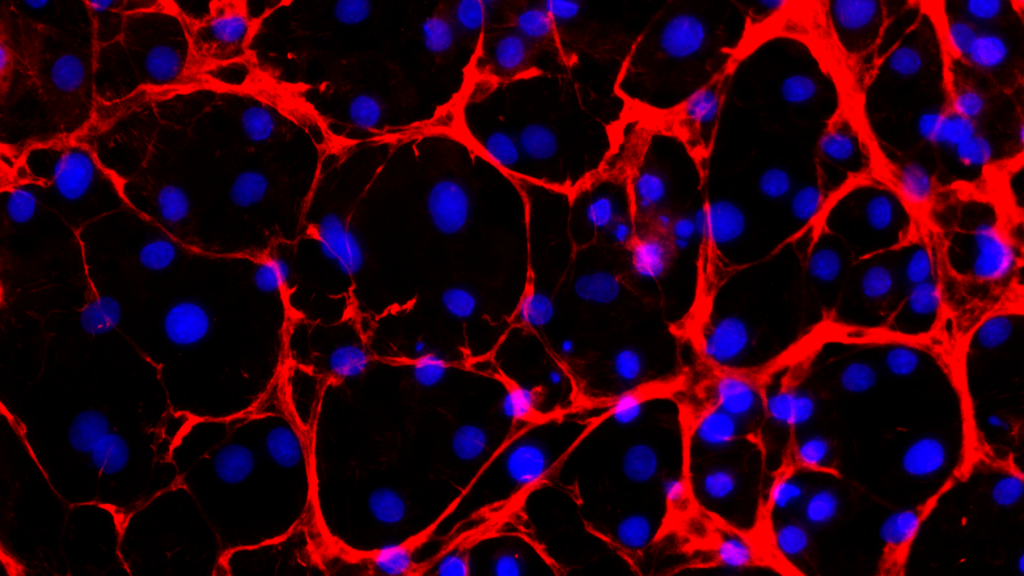
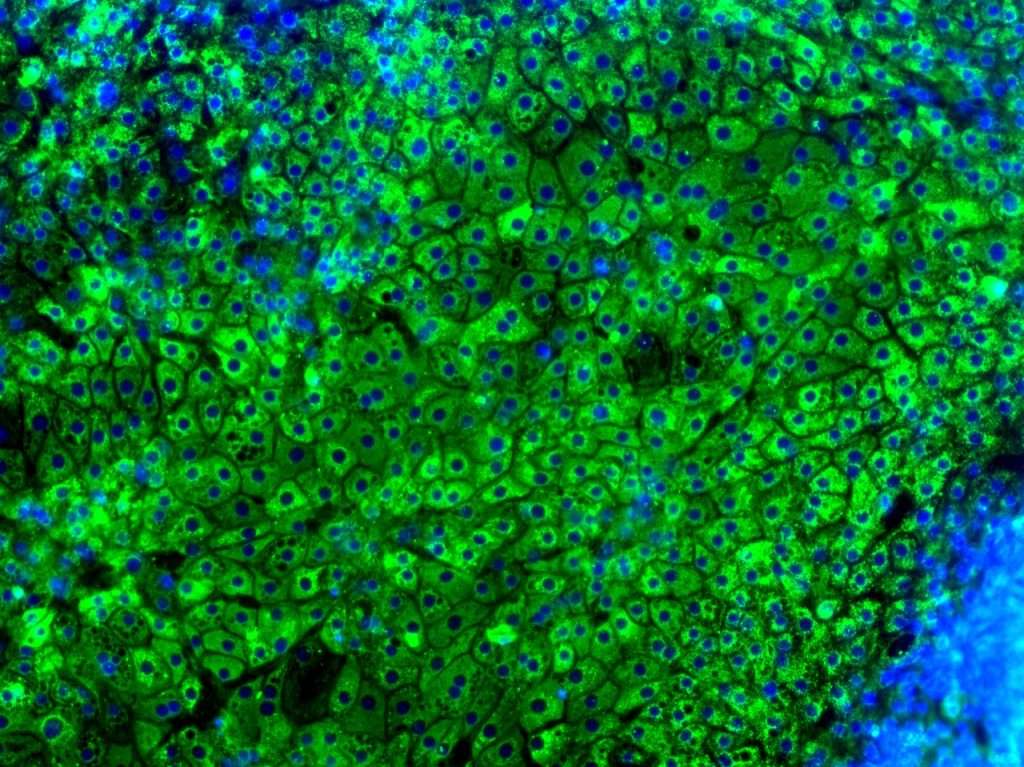
Primarily Cytochroma’s research centres on creating models for cardiac and liver tissues. The team has recently developed a human-specific liver model to study MASH, enabling detailed investigation of disease mechanisms and potential therapeutic interventions.
What is MASH?
Metabolic dysfunction–associated steatohepatitis (MASH) represents a progressive and clinically significant stage of fatty liver disease, characterised by the accumulation of excess lipids in the liver accompanied by inflammation and liver cell injury. As the more advanced, inflammatory form of metabolic dysfunction–associated steatotic liver disease (MASLD), MASH can drive the development of fibrosis and may ultimately progress to cirrhosis, liver failure, or hepatocellular carcinoma. It is increasingly recognised as a major global health challenge, with prevalence rising worldwide. In the UK alone, it is estimated to affect around 5% of the population – approximately 3.3 million individuals.
A Clear Gap Between Preclinical Research and Clinical Success
The growing global burden of MASH has stimulated sustained investment in anti-fibrotic drug development. Yet this effort has translated into limited clinical success. Despite decades of research, effective therapies have been slow to emerge: the first anti-fibrotic treatment for MASH received FDA approval only in 2024, and no such therapies are currently approved in the UK.
“Despite enormous investment in drug discovery, many liver-targeted therapies fail late in development, often because existing models do not adequately predict human responses”
Dr Kate Cameron
Just over four decades ago, the isolation of hepatic lipocytes (now known as hepatic stellate cells) from rat liver marked the start of a research era in which animal experiments have been viewed as central to liver fibrosis research. Regardless of whether these animal studies contributed to our understanding of disease mechanisms and target identification, the many differences between animals and humans severely limit their predictive value for therapeutic development.
“Complex diseases such as MASH involve metabolic, inflammatory, and fibrotic processes that are regulated in species specific ways. Animal models often fail to reflect human disease mechanisms or therapeutic responses with sufficient accuracy.”
Dr Kate Cameron
In response to the need for more human-relevant systems, Dr Cameron’s team have developed a human liver model designed to address the translational gap in MASH research.
“Human models are essential for addressing translational bottlenecks, particularly for multifactorial diseases where species differences can obscure critical signals.”
Dr Kate Cameron
The Path to Developing a Liver Model
Developing a robust, reliable, and reproducible model requires careful consideration of several critical factors. Dr Cameron highlights three key considerations that have guided her team’s approach: implementing a precise differentiation strategy, capturing human diversity, and incorporating multiple relevant cell types.
Generating any cell type from the pluripotent state is not a straightforward process. This is likely the reason why many researchers are turning to commercially available options where they can source pre- or partially- differentiated iPSC populations. Dr Cameron has dedicated her career to understanding these complex mechanisms and building a platform which enables her team to accurately and reproducibly generate multiple different cell types from iPSCs.
“This science requires extensive understanding of developmental processes and creativity in mimicking these in vitro.“
Dr Kate Cameron
Capturing human diversity has been central to Dr Cameron’s vision. By using genetically diverse pluripotent stem cells, the team aims to reflect the variety seen in real-world populations.
“Historically, human diversity has been underrepresented in clinical trials, leading to a lack of data on how treatments and interventions affect different demographic groups. Our core technology is based on genetically diverse pluripotent stem cells, which enable us to create models that reflect the world’s diverse population.“
Dr Kate Cameron
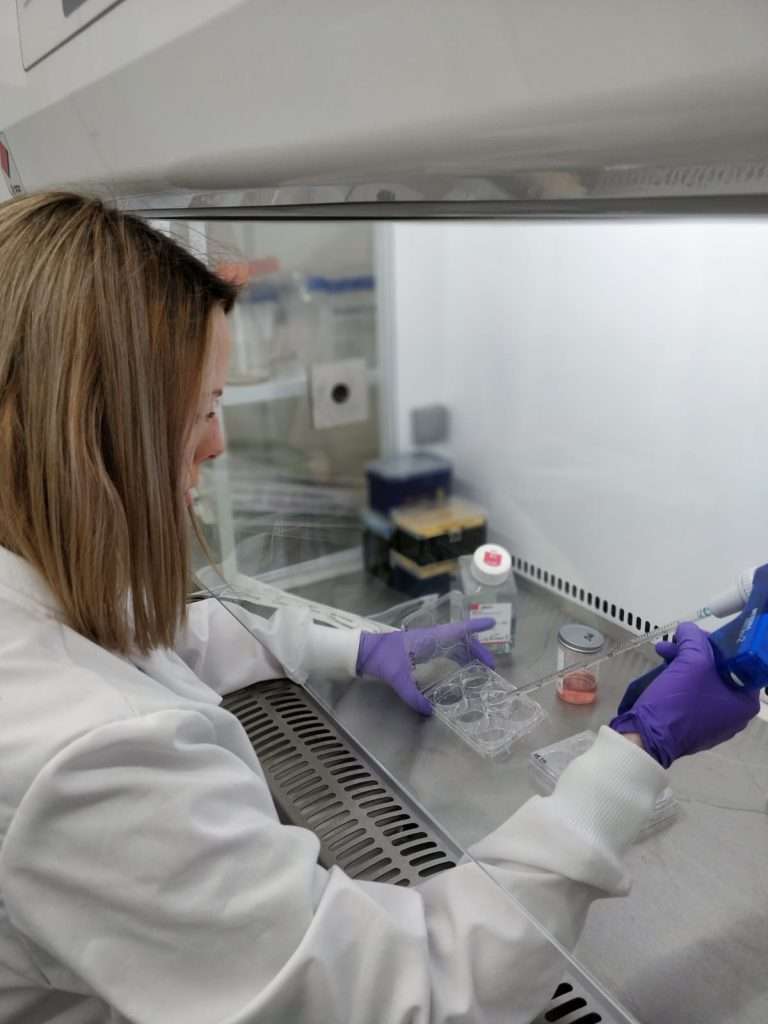
Dr Cameron and her team are taking a stepwise approach to creating their model, building the bigger picture one piece at a time. MASH arises from complex and dysregulated interactions between multiple liver cell types, which drive metabolic dysfunction, inflammation, and fibrosis. To better study these cellular interactions, the team has developed robust protocols to differentiate key cell types involved and incorporated them into a healthy multicellular liver model, which can then be treated to induce a fibrotic response.
“We have developed hepatocytes, endothelial cells, and Kupffer cells to mimic healthy tissue, and have recently also developed quiescent hepatic stellate cells that can be activated to model fibrosis.“
Dr Kate Cameron
Making an Impact
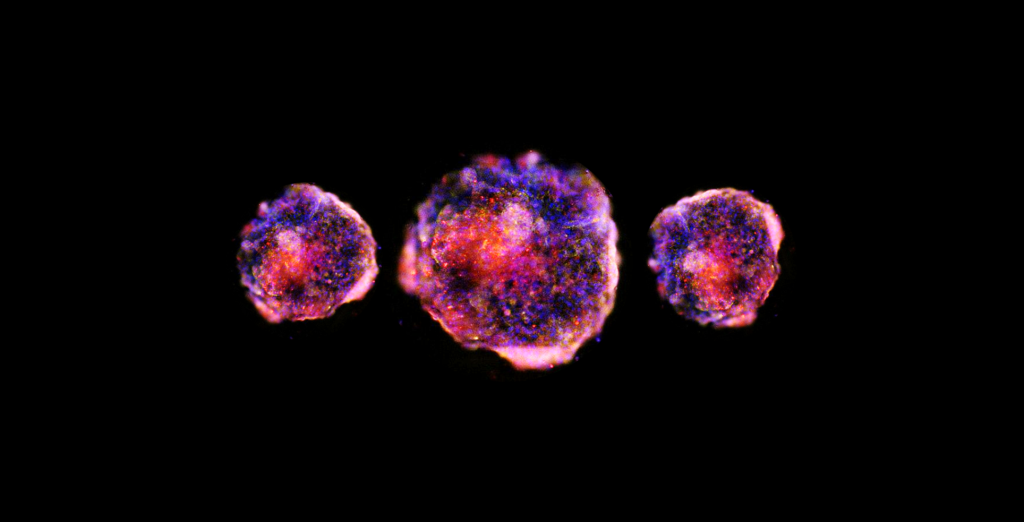
The development of this physiologically relevant liver model is already demonstrating significant impact, with adoption by leading pharmaceutical companies like GSK, and by academic institutions worldwide, including teams at the University of Edinburgh and Harvard / MIT. Recently, researchers at the University of Edinburgh employed the model to assess steatosis in response to treatment with a novel compound.
“Our liver model has supported the development of complex MASH models by leading pharmaceutical companies, enabled the publication of novel targets for fibrosis and obesity developed at the University of Edinburgh, and helped rescue costly late-stage drug failures of valuable therapeutics with leading AI-driven biotech companies.“
Dr Kate Cameron
Interestingly, the team have also seen an increase in enquiries from animal-based CROs seeking human models. This provides some glimpse into how human-focused models are being perceived by organisations that have historically relied heavily on animal use.
A More Human-Specific Future for Biomedical Research
The MASH model developed by Dr Cameron and her team is part of a broader shift toward human-focused models in the fibrosis field. This movement is driven by multiple factors, including the rapid advancement of alternative approaches. From integrated multiomics to support target discovery, to sophisticated cellular models for preclinical testing, these emerging human-specific platforms offer predictive and translatable ways to study fibrotic disease and evaluate new therapies.
‘There is a clear transition underway. The momentum toward human-relevant, animal-free approaches is being driven by regulatory, scientific and ethical considerations. We see researchers in industry and academia that are motivated to work with models that are more predictive and aligned with patient outcomes.’
Dr Kate Cameron
Importantly, this shift is not just confined to fibrosis research. As Dr Cameron explains:
‘There is growing recognition that improved, human-relevant models are essential for the future of drug development and biomedical research. I believe we are moving toward a more balanced ecosystem, where animal research is no longer the default.’
Dr Kate Cameron
Final Thoughts
The work led by Dr Kate Cameron at Cytochroma reflects a decisive step toward research systems built around human biology from the outset. By combining defined, animal-free methodologies with genetic diversity and multicellular complexity, her team is addressing the translational barriers that have long slowed progress in treating MASH. As scientific, regulatory, and ethical momentum continues to align, human-specific platforms such as this are poised to play a central role in shaping a more predictive, patient-relevant future for biomedical research.