ARC Grants
Designed to support state-of-the-art laboratories at the forefront of human-specific research. Our ARC researchers are global leaders, driving innovative human-focused approaches.
Our ARCs
QMUL ARC
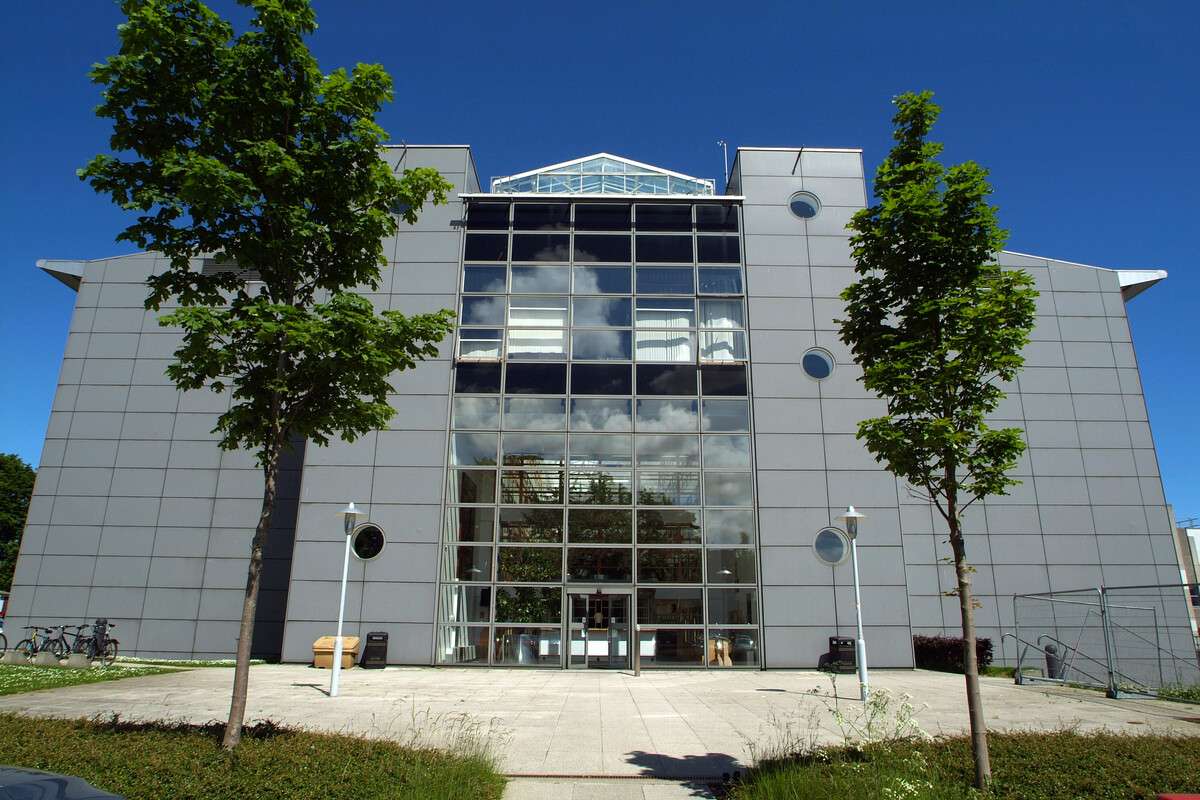
Blizard Institute, Queen Mary University of London
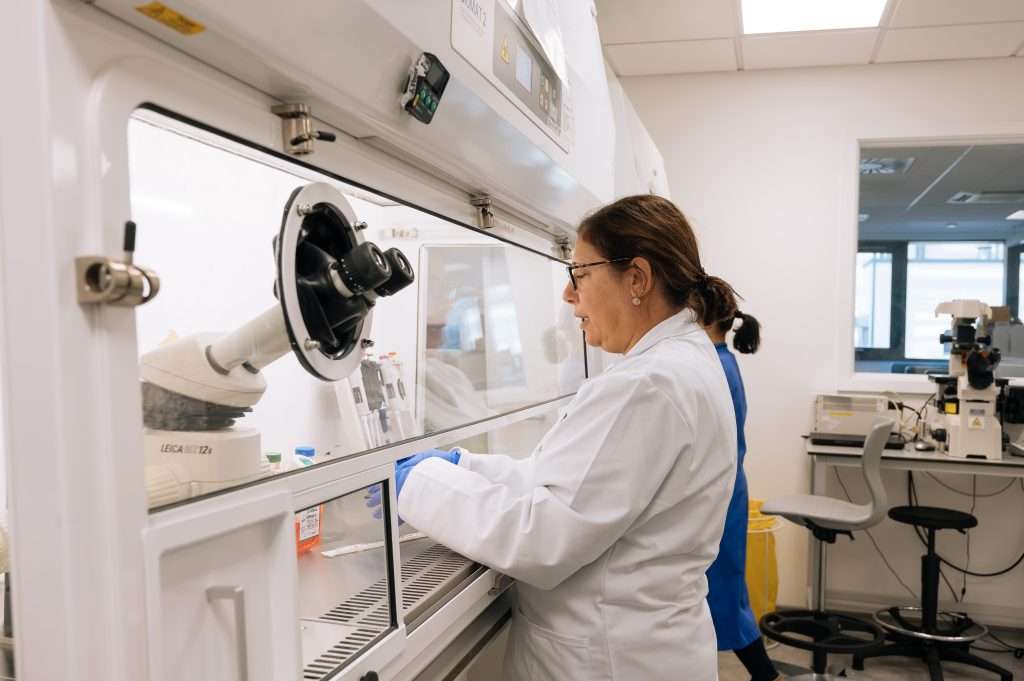
QMUL ARC builds upon a long-standing and highly productive partnership with the Blizard Institute, a purpose-built research facility equipped with state-of-the-art infrastructure. Investigators based at the Institute are at the forefront of developing and validating human-specific, animal-free research models.
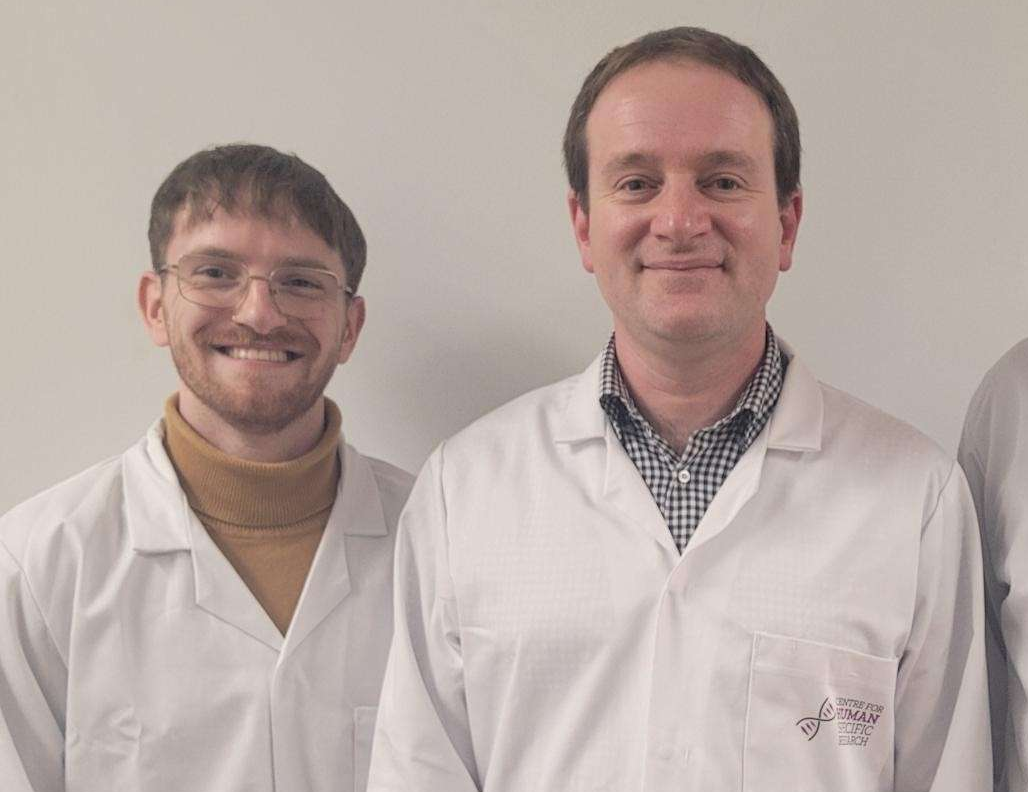
Research programmes led by Professor Mike Philpott and Dr Adrian Biddle are at the forefront of developing and validating human-specific, animal-free research models.
Their work advances innovative human-focused methodologies, including three-dimensional (3D) human cell culture, organ-on-chip platforms, in silico modelling, and artificial intelligence (AI)-driven approaches.

Exeter ARC
University of Exeter
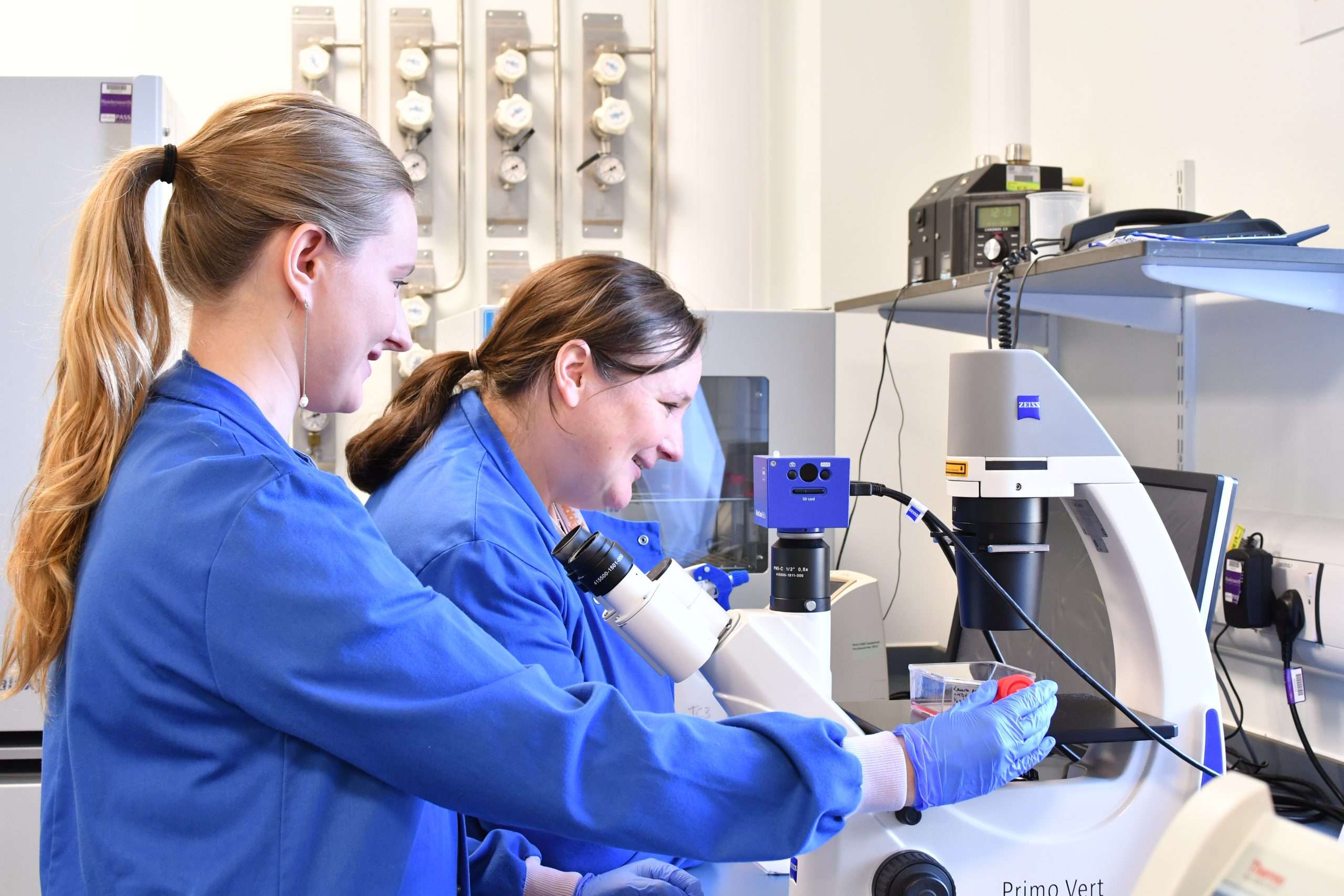
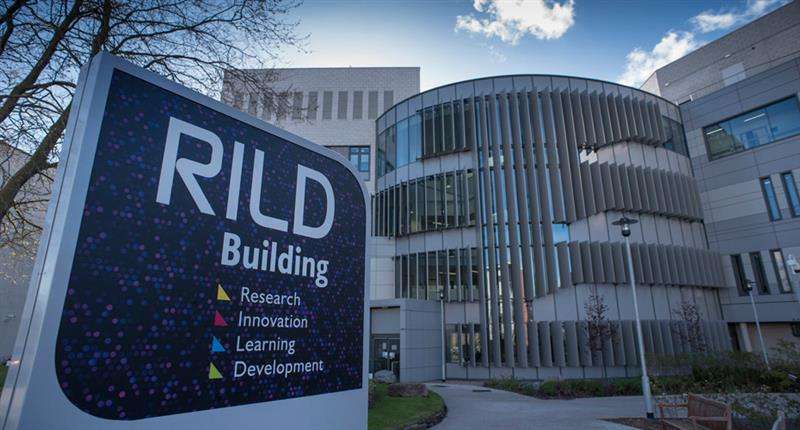
Exeter ARC is led by Professor Lorna Harries within the Medical School at the University of Exeter. The groups research focuses on the development of advanced human cell culture systems and the strategic repurposing of clinically approved therapeutics to reduce reliance on animal models in drug development.
During the COVID-19 pandemic, Exeter ARC prioritised SARS-CoV-2 research, contributing to global efforts to characterise viral infection and transmission through the development of animal-free antibody technologies to identify infectious individuals and assess transmission risk. The group have also advanced diabetes research by identifying a gene driving age-associated changes in insulin-producing pancreatic β-cells, providing mechanistic insight with clear translational potential for novel therapeutic development.
Current projects are examining the biology of ageing and age-related disease, addressing conditions that represent a growing burden in ageing populations.
Aberdeen ARC
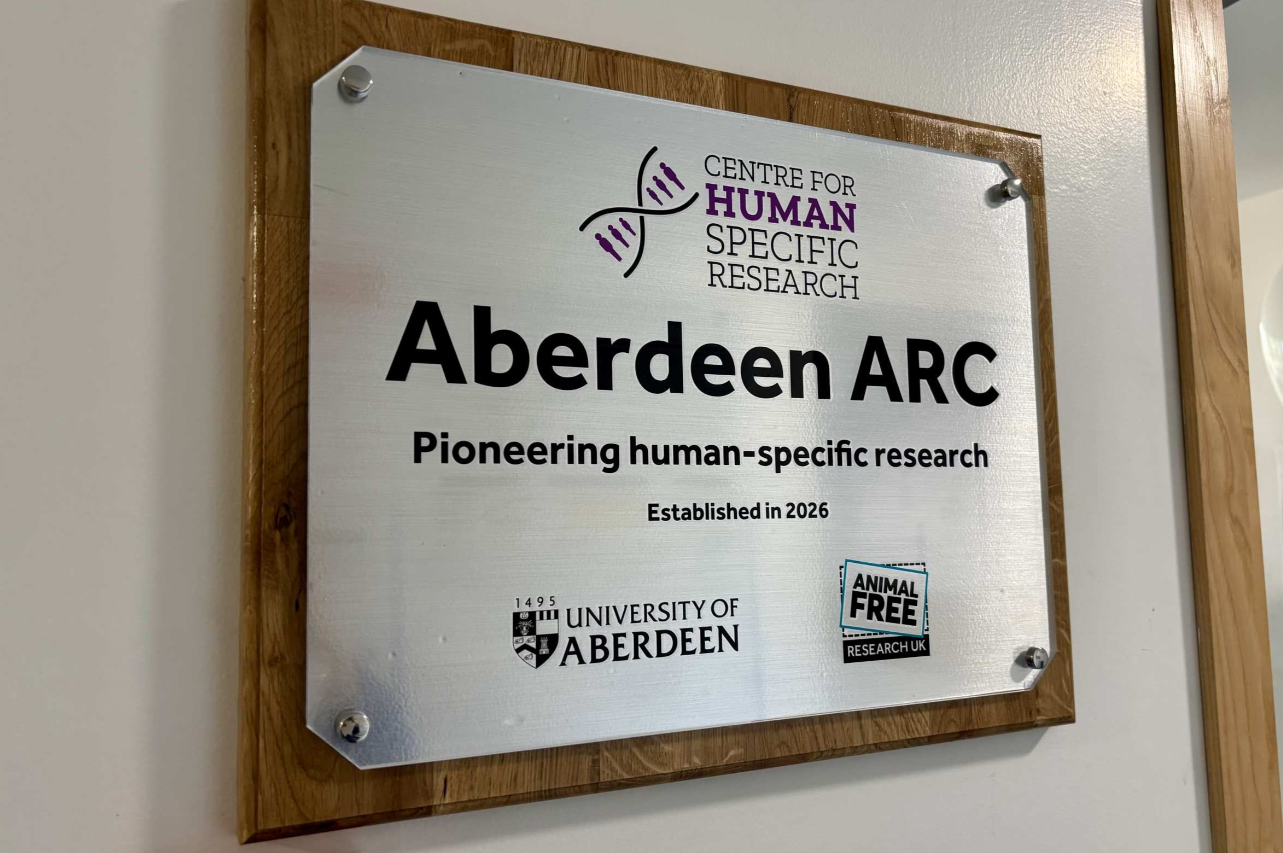
Institute of Medical Sciences, University of Aberdeen
Aberdeen ARC is led by Professor Valerie Speirs at the Institute of Medical Sciences, University of Aberdeen. The group’s research primarily focuses on investigating the biology of breast cancer, using tissue-based approaches to understand the disease and its progression. The group also has expanding interests in glioblastoma and digital pathology.
They have developed several 3D in vitro models of breast cancer and continue to advance the development and implementation of animal-free approaches in cancer research. This includes identifying and validating robust animal-free replacements for cell culture systems, supporting the transition away from animal-derived materials in one of the most widely used experimental approaches in biomedical science.